
Overview
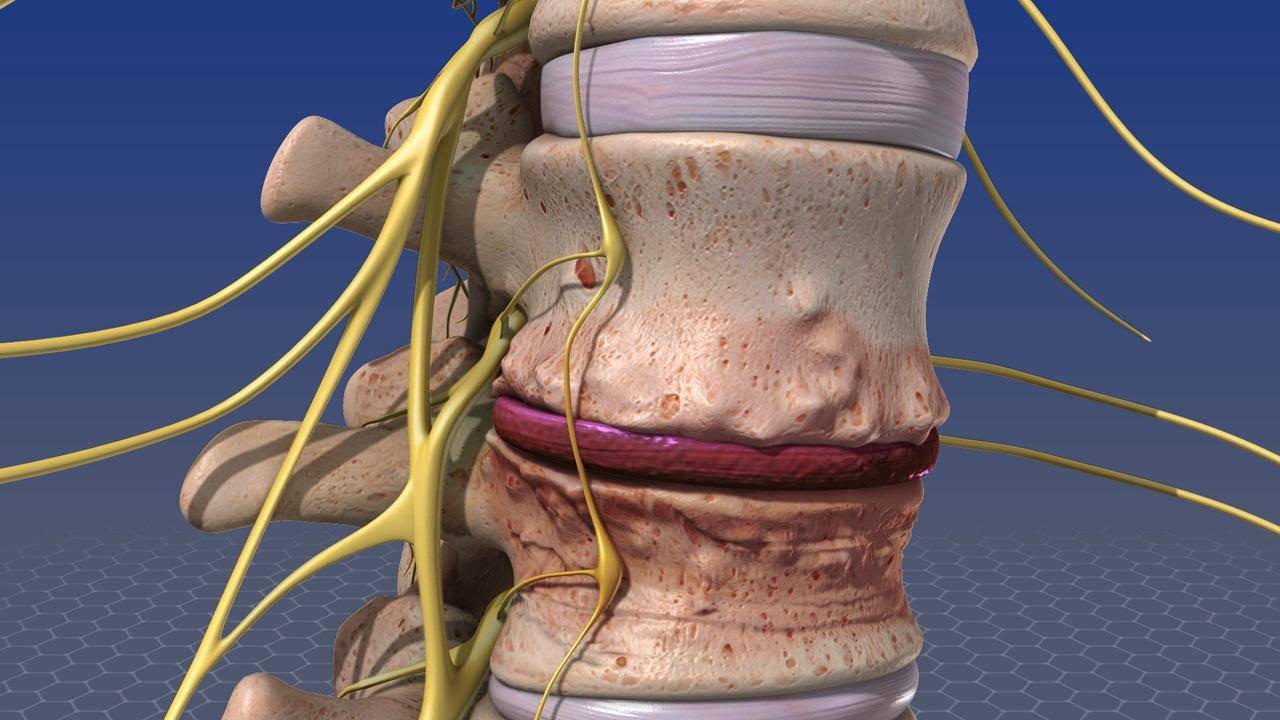
A spinal infection is a serious medical condition that occurs when microorganisms, commonly bacteria, infect structures of the spine such as vertebral bones, intervertebral discs, surrounding tissues, or the spinal canal. These infections may cause persistent back or neck pain, fever, tenderness, weakness, and, in some cases, neurological complications.
Spinal infections can develop when an infection spreads through the bloodstream from another part of the body, following a medical procedure, or after an injury or surgery. Because spinal infections may progress and damage bones, discs, or nerves, early recognition and medical treatment are extremely important. Understanding the symptoms, causes, diagnostic tests, and treatment options can help patients seek care at the right time.
What Is a Spinal Infection?
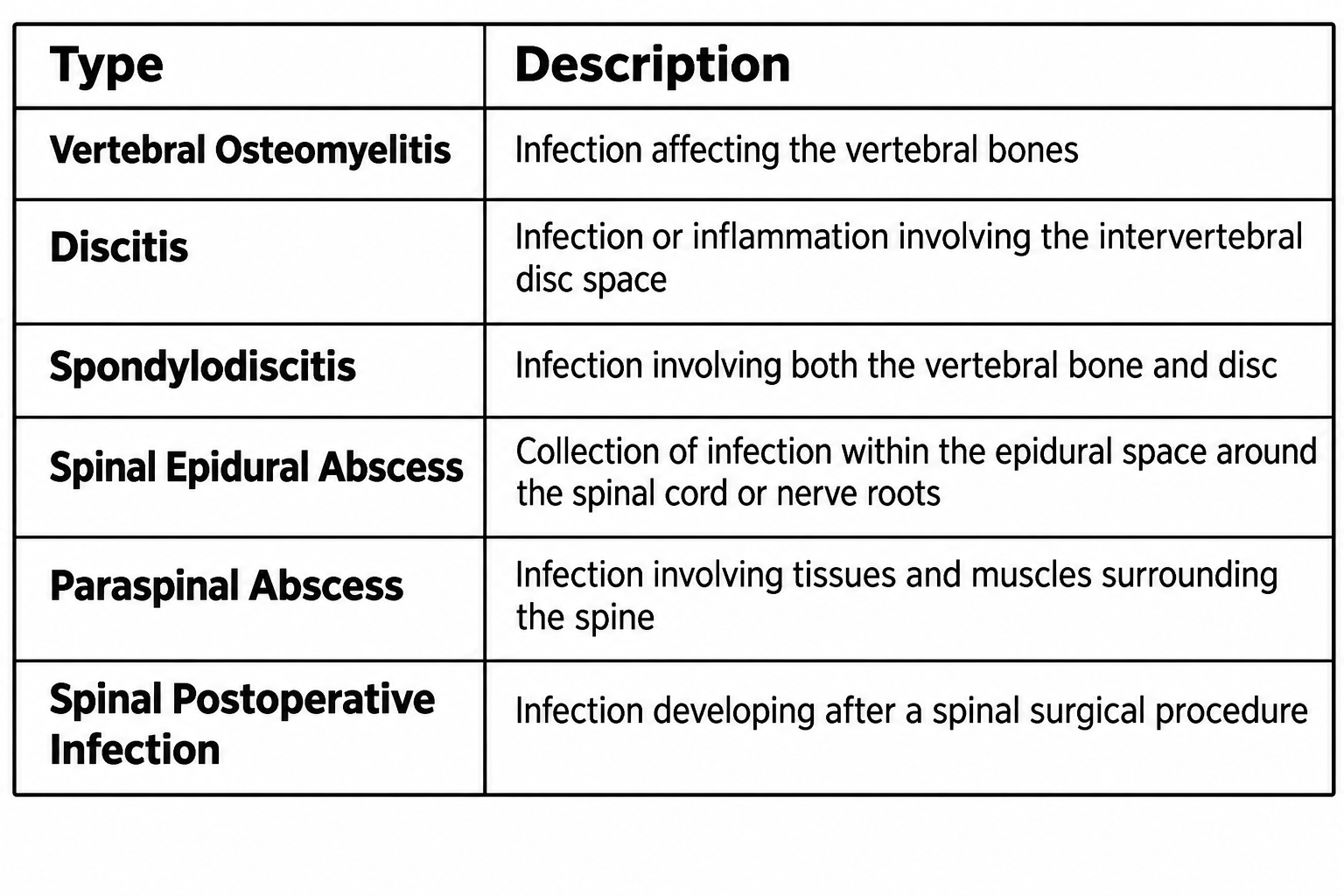
A spinal infection may affect different parts of the spine and surrounding structures. The location of the infection determines its type, symptoms, and treatment approach.
Types of Spinal Infection
What Are the Symptoms of a Spinal Infection?
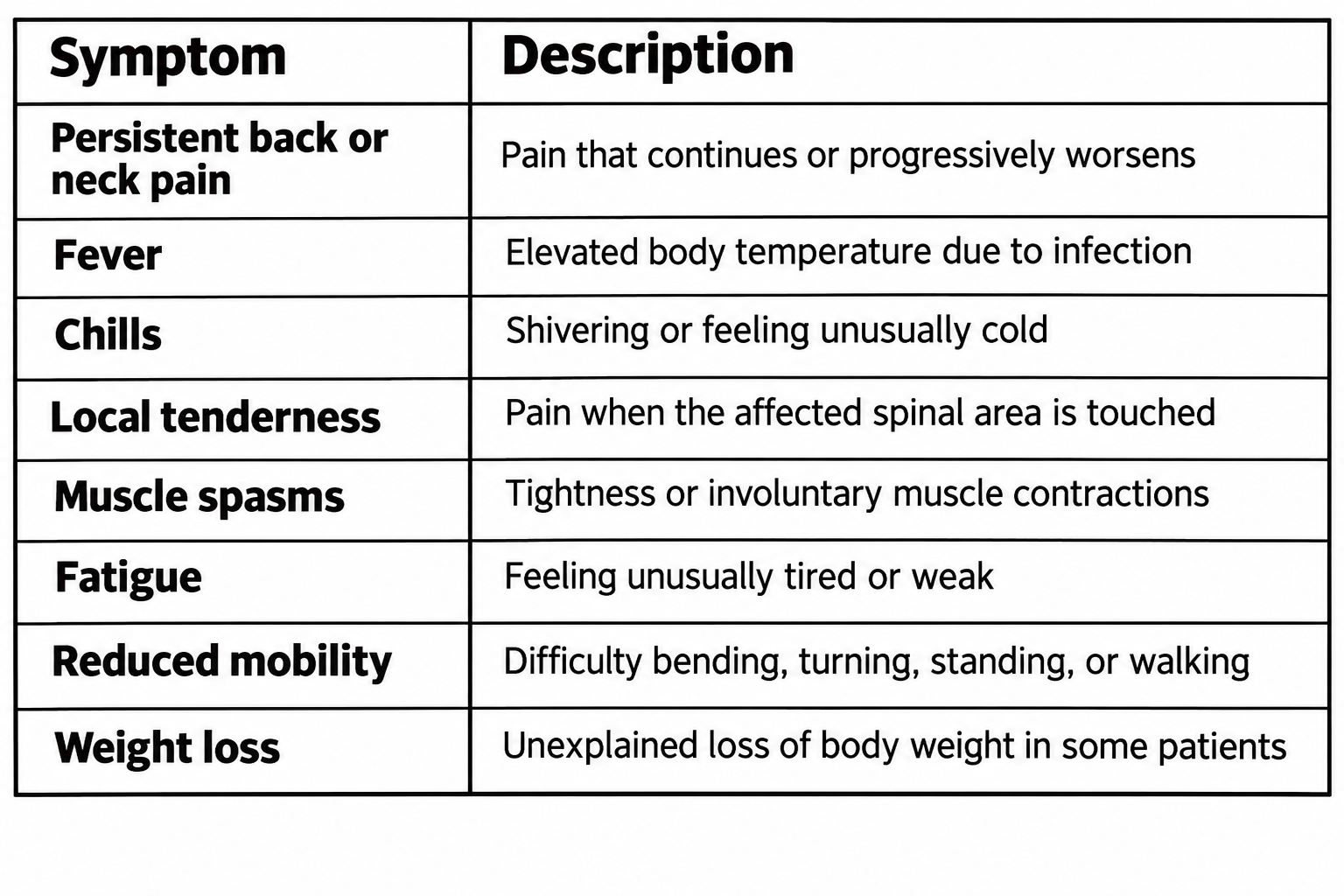
Symptoms may develop gradually or sometimes appear rapidly, depending on the type of infection, its location, and the patient's overall health.
Common Spinal Infection Symptoms
Symptoms of Nerve Involvement
If the infection affects the spinal canal or compresses nearby nerves, neurological symptoms may develop, including:
- Numbness in the arms or legs.
- Tingling sensations.
- Muscle weakness.
- Difficulty walking or maintaining balance.
- Loss of bladder or bowel control in severe cases.
Warning: Spinal Infection Can Become a Medical Emergency
Severe back pain accompanied by fever, new limb weakness, difficulty walking, or bladder and bowel dysfunction requires immediate medical evaluation. These symptoms may indicate an infection affecting the spinal cord or surrounding nerves.
What Causes Spinal Infection?
Spinal infections can occur when microorganisms, most commonly bacteria, reach the spinal structures through the bloodstream from another infected area of the body. In some cases, the infection develops following surgery, an injury, or a medical procedure.
Common Causes
- Bacterial infection: Bacteria such as Staphylococcus aureus are among the most common causes.
- Spread through the bloodstream: An infection elsewhere in the body may spread to the vertebral bones or disc spaces.
- Postoperative infection: Infection may develop following spinal surgery.
- Direct infection: Trauma or procedures may introduce organisms directly into spinal structures.
- Tuberculosis: Tuberculosis bacteria can cause spinal TB, also known as Pott's disease.
- Fungal infection: Less commonly, fungal organisms may infect spinal structures, particularly in susceptible individuals.
Risk Factors for Spinal Infection
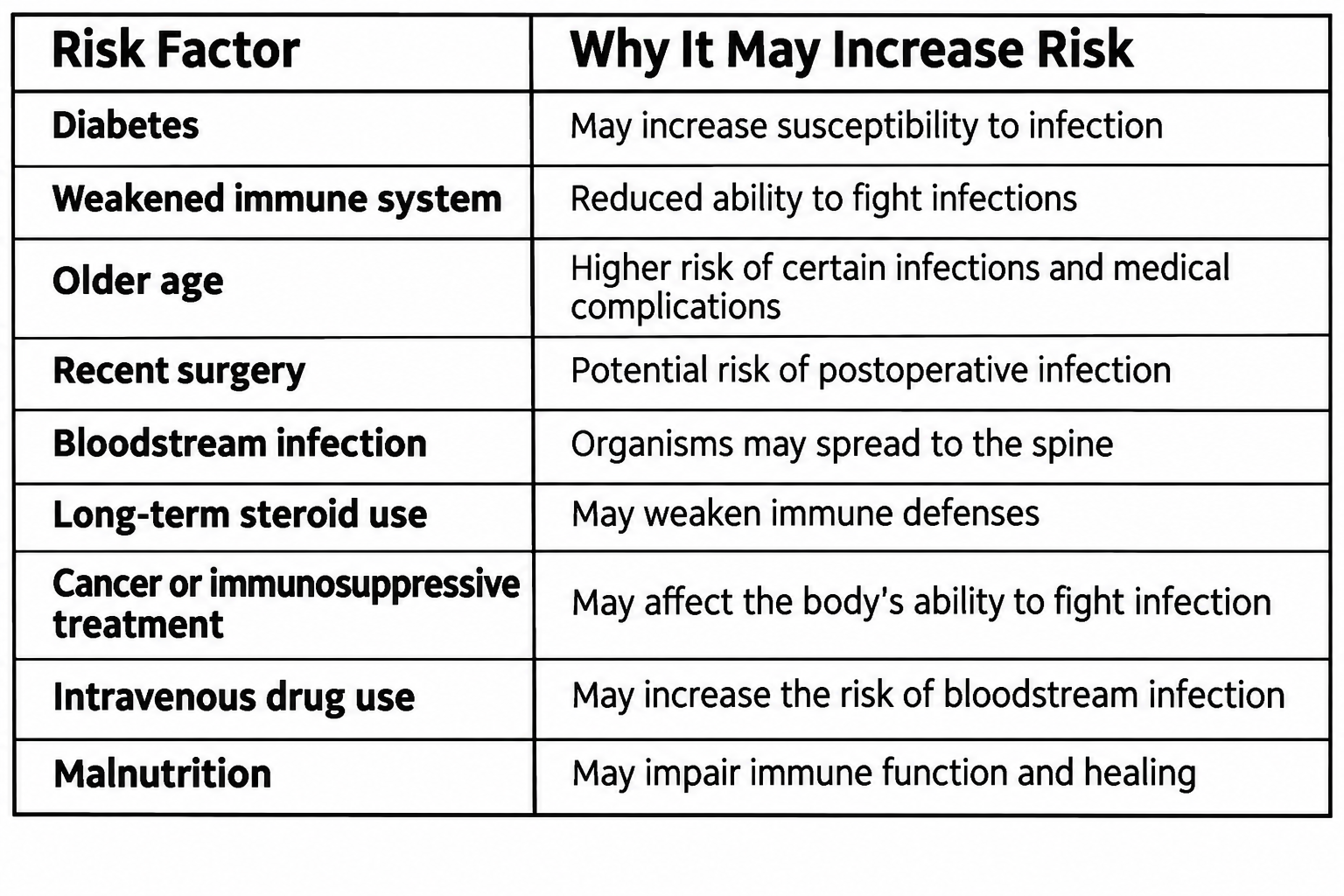
Not everyone with a spinal infection has an identifiable risk factor. A spinal infection can sometimes develop even in a person who was previously healthy.
How Is a Spinal Infection Diagnosed?
Diagnosing a spinal infection can be challenging because its early symptoms may resemble common back problems such as muscle strain, disc degeneration, or arthritis. Persistent or worsening back pain, especially when accompanied by fever or inflammatory markers, should raise suspicion.
Diagnostic Tests
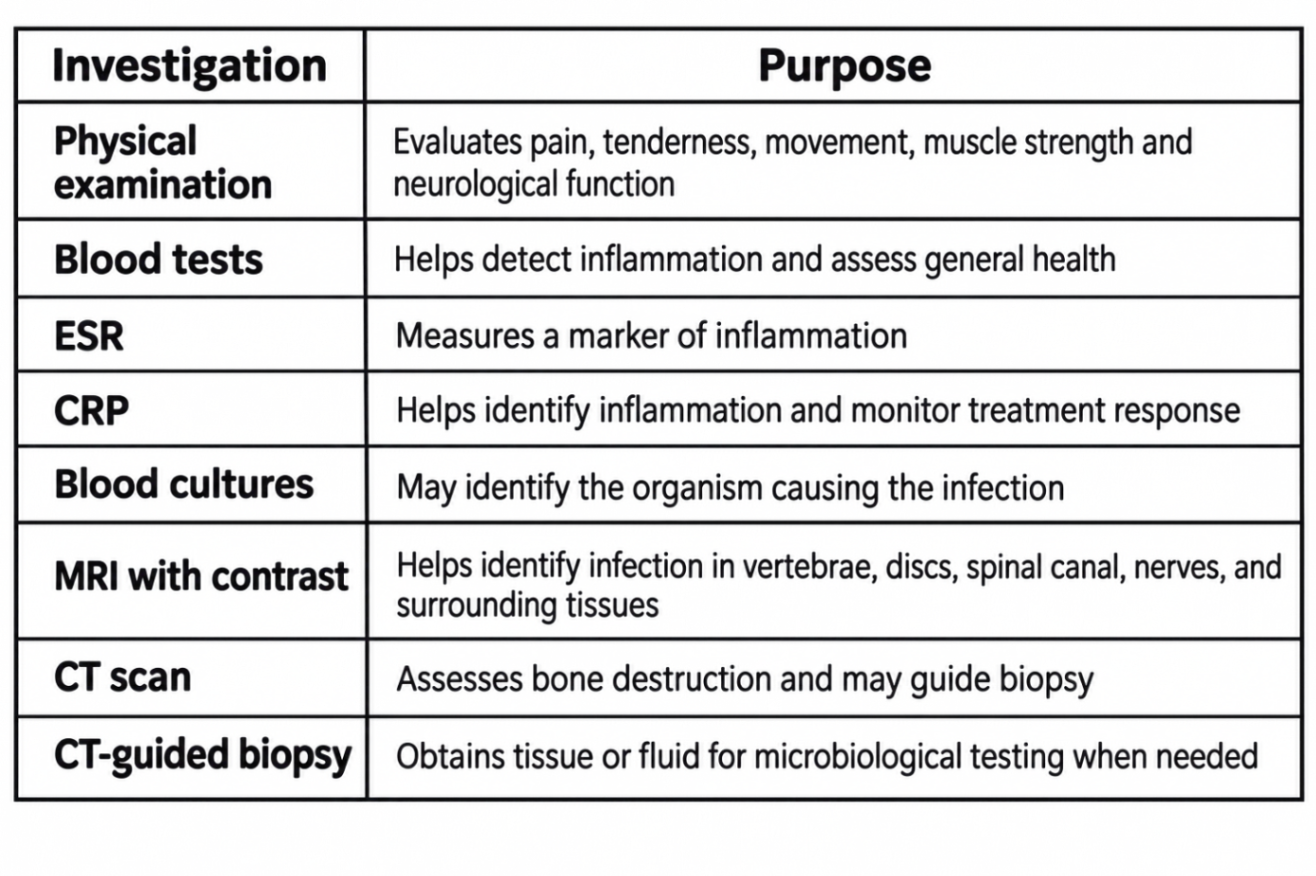
MRI is generally the preferred imaging investigation when spinal infection is suspected. Blood cultures and, in selected cases, biopsy help identify the organism so that treatment can be directed appropriately.
What Are the Treatment Options for Spinal Infection?
The treatment of spinal infection depends on the type of organism, location and extent of infection, the patient's overall health, and whether the spinal cord or nerves are affected.
Treatment often requires a combination of medical therapy, close monitoring, and sometimes surgery.
1. Antibiotic or Antimicrobial Treatment
Antibiotics are commonly the main treatment for bacterial spinal infections. The medication is selected based on the suspected or confirmed organism, culture results, and the patient's clinical condition.
Treatment may involve:
- Intravenous antibiotics initially.
- Targeted antibiotics based on culture and sensitivity results.
- Prolonged antimicrobial treatment under medical supervision.
- Regular blood tests to monitor infection and treatment response.
Treatment duration can be several weeks and varies according to the type of infection and clinical response. Antibiotics should not be started, changed, or stopped without medical guidance.
2. Pain Management and Supportive Care
Patients may need treatment to manage pain and support recovery, including:
- Appropriate pain-relieving medication.
- Rest and activity modification as advised.
- Spinal support or immobilisation in selected cases.
- Nutritional support.
- Monitoring of neurological function.
The goal is to reduce discomfort, control the infection, and prevent further damage to spinal structures.
3. Surgical Treatment
Surgery may be required when the infection causes serious complications or does not respond adequately to medical treatment.
Surgical treatment may be considered when:
- An abscess is compressing the spinal cord or nerves.
- The patient develops neurological weakness or deficits.
- There is significant destruction of the vertebral bones.
- The spine becomes unstable or deformed.
- The infection persists despite appropriate antimicrobial treatment.
- Tissue sampling or drainage is required.
Common Surgical Procedures
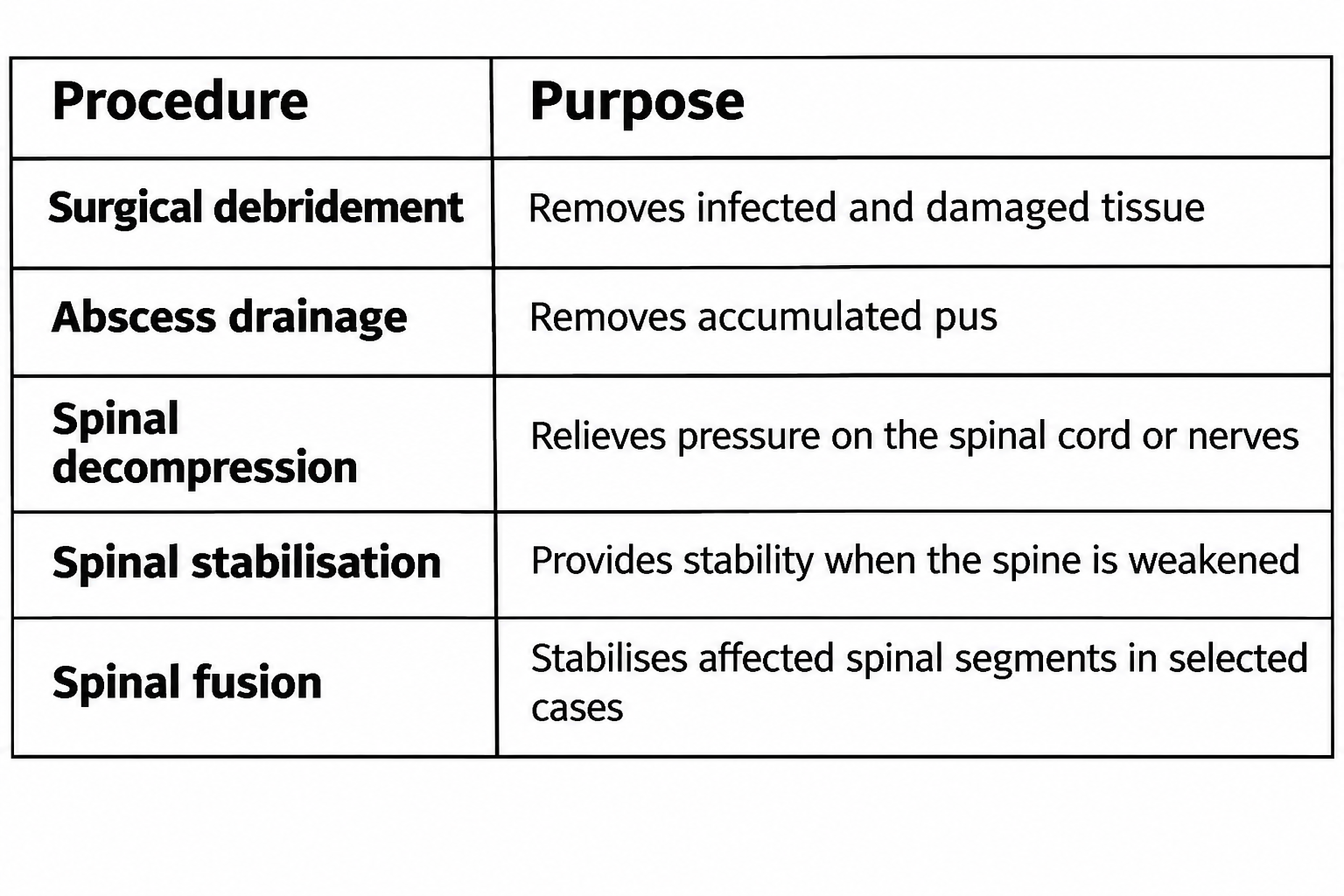
Surgery is not required for every spinal infection. Some patients can be treated successfully with antimicrobial therapy and careful monitoring, while others may need a combined medical and surgical approach.
Can Spinal Infection Be Cured?
Yes, many spinal infections can be successfully treated, particularly when diagnosed early and managed with the appropriate antimicrobial therapy or surgical treatment when required.
However, recovery depends on several factors:
- The type of microorganism causing the infection.
- The location and extent of infection.
- Whether spinal bones or discs have been damaged.
- Whether the spinal cord or nerves are involved.
- The patient's general health and immune status.
- How early treatment begins.
Some patients recover gradually over several weeks or months. Others may experience residual pain, weakness, reduced mobility, or structural changes even after the infection has been controlled.
Early treatment is important because untreated spinal infections can cause permanent neurological damage, spinal instability, deformity, or life-threatening complications.
How Can You Reduce the Risk of Spinal Infection?
Not all spinal infections can be prevented, but certain measures may help reduce infection risks and support overall health.
Prevention and Care Tips
- Seek timely treatment for significant infections elsewhere in the body.
- Maintain good blood sugar control if you have diabetes.
- Follow proper wound care instructions after surgery.
- Attend postoperative follow-up appointments.
- Inform your doctor about persistent pain following a spinal procedure.
- Maintain adequate nutrition and hydration.
- Follow prescribed treatment completely.
- Avoid self-medication with antibiotics.
If you have undergone spinal surgery and develop increasing back pain, redness, swelling, discharge from the surgical wound, or fever, contact your treating doctor promptly.
When Should You Seek Immediate Medical Attention?
Warning Signs of a Serious Spinal Infection
Seek immediate medical attention if you experience:
- Severe or rapidly worsening back or neck pain with fever.
- New weakness in your arms or legs.
- Difficulty walking or sudden loss of balance.
- Loss of bladder or bowel control.
- Difficulty passing urine.
- Numbness around the groin or saddle region.
- Confusion, extreme weakness, or symptoms suggesting severe infection.
- Fever with increasing pain or redness around a recent spinal surgical wound.
These symptoms may indicate a serious infection or spinal cord/nerve compression and require urgent medical evaluation.
Do not wait for all symptoms to appear. Spinal infection can sometimes progress before obvious signs of fever or neurological problems develop.
Conclusion
A spinal infection is a potentially serious condition that may affect vertebral bones, discs, the spinal canal, or surrounding soft tissues. Persistent back pain, fever, tenderness, and neurological symptoms should never be ignored, particularly in people with diabetes, weakened immunity, a recent infection, or a history of spinal surgery.
Early diagnosis through clinical evaluation, blood tests, MRI, and microbiological investigations can help identify the infection and guide treatment. Many patients can be treated with appropriate antimicrobial therapy, while surgery may be required when there is an abscess, spinal instability, neurological compromise, or failure of medical treatment.
Recognising the warning signs and seeking timely medical care can make an important difference in preventing complications and protecting spinal and neurological function.
If you have persistent back pain, unexplained fever, or neurological symptoms, consult a qualified spine specialist or arrange a Neurosurgeon Consultation.
Frequently Asked Questions (FAQs)
1. What is the most common symptom of a spinal infection?
Persistent back or neck pain is one of the most common symptoms of a spinal infection. The pain may gradually worsen and may not improve with routine treatment. Some patients also experience fever, chills, tenderness, fatigue, or neurological symptoms such as numbness and weakness.
2. Can a spinal infection occur without fever?
Yes. Some patients with spinal infections may not have a fever, particularly older adults or individuals with weakened immune systems. Persistent or unexplained back pain, especially when accompanied by elevated inflammatory markers or a history of infection, should be evaluated by a doctor.
3. Is a spinal infection dangerous?
Yes, a spinal infection can become serious if it is not diagnosed and treated promptly. It may damage vertebral bones, discs, or surrounding tissues, and can cause spinal instability, nerve compression, paralysis, or life-threatening complications in severe cases.
4. How is a spinal infection treated?
Treatment commonly involves prolonged antimicrobial therapy based on the suspected or identified microorganism. Some patients may require intravenous antibiotics, abscess drainage, removal of infected tissue, spinal decompression, or stabilisation surgery depending on the severity and complications.
5. How long does it take to recover from a spinal infection?
Recovery varies depending on the infection type, extent of spinal damage, treatment approach, and the patient's overall health. Antibiotic treatment may last several weeks or longer, and recovery of pain, mobility, and neurological function may take additional time. Regular medical follow-up is essential.