Lumbar Canal Stenosis: What You Need to Know
Lumbar canal stenosis is a common spine condition that affects the lower back. It happens when the space inside the spinal canal becomes narrow, putting pressure on the nerves that travel to your legs and feet.
Kyphoplasty – A Minimally Invasive Surgery for Spinal Fractures
Back pain after a minor fall or lifting something heavy? If you’ve been told you have a spinal fracture or vertebral compression fracture, you might be a candidate for Kyphoplasty — a safe and effective minimally invasive surgery. This blog will help you understand what Kyphoplasty is, why it’s done, how the surgery works, and what recovery looks like — all in easy-to-understand words.
Keyhole Spine Surgery (MISS) – A Simple and Safe Way to Treat Spine Problems
If you or a loved one are suffering from back pain, slipped disc, or nerve pressure, and are worried about big cuts and long recovery time — Keyhole Spine Surgery might be the best solution. This modern surgery is safe, effective, and less painful than traditional open surgery. In this blog, we’ll explain everything in easy-to-understand language — what it is, why it’s done, how it works, and how recovery looks.
Kyphosis Surgery: What You Need to Know
Kyphosis is a condition where the spine curves forward more than normal, causing a hunchback appearance and sometimes back pain or breathing problems. In severe cases, when other treatments don't work, surgery may be needed to correct the curve and reduce pain.
Cervical Decompression Surgery: Simple Guide for Neck Pain Relief
If you're having neck pain, numbness in your arms, or weakness in your hands, it could be due to pressure on the nerves in your neck. One common treatment for this problem is Cervical Decompression Surgery.
Lumbar Decompression Surgery – A Simple Guide for Lower Back and Leg Pain Relief
If you're suffering from pain in your lower back or legs, especially due to sciatica or spinal stenosis, your doctor might suggest lumbar decompression surgery. This surgery helps free up space around your spinal nerves, giving you relief from pain, weakness, or tingling in your legs. In this blog, we’ll explain what it is, when it’s needed, how it’s done, and what to expect after the surgery — all in simple words.
Lumbar Stabilization Surgery – A Simple Guide for Lower Back Stability and Pain Relief
If you're suffering from chronic lower back pain, difficulty standing or walking, or if your spine feels unstable, your doctor might suggest Lumbar Stabilization Surgery. This is a procedure designed to make your spine stronger, reduce pain, and prevent further damage.
Cervical Stabilization Surgery – A Simple Guide to Neck Support Surgery
If you are suffering from neck pain, nerve compression, or weakness in the arms, and medications or physiotherapy haven’t helped, your doctor might suggest cervical stabilization surgery. This surgery helps support the bones in your neck and keeps the spine stable and pain-free. In this blog, we’ll explain everything in easy words – what it is, how it’s done, and what to expect after the surgery.
Spine Trauma: What You Need to Know After a Spinal Injury
A spine injury can be sudden, scary, and life-changing. Whether from a fall, accident, or sports injury, spinal trauma affects not just your back — it can impact how your body works, moves, and feels. In this blog, let’s break down everything you need to know about spine trauma in simple words — what it is, why it happens, how it’s treated, and what to expect after.
Neck Pain and Cervical Spondylosis: What You Need to Know
Neck pain is a common problem, especially as we get older. One of the main causes of long-term neck pain is a condition called cervical spondylosis. It happens due to normal wear and tear in the neck bones and discs.
Spinal Infections and Tumors: What You Need to Know
Spinal infections and spinal tumors are serious conditions that can affect your spine and nervous system. They are less common than back pain or sciatica, but they need quick diagnosis and proper treatment.
Lower Back Pain and Sciatica: What You Need to Know
Lower back pain is very common and can happen to anyone. One type of lower back pain is called sciatica. It happens when a nerve in your lower back gets pressed or irritated.
Frequently Asked Questions
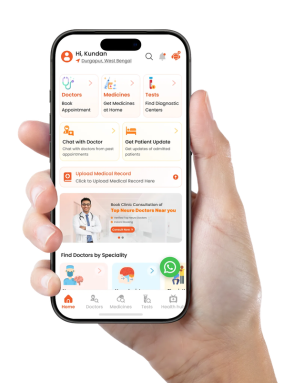
Download the App Now
Get convenient access to video consultations with leading neurology specialists through the Global Neuro and Spine Care app. Consult with doctors online anytime, all from the comfort of your home.