
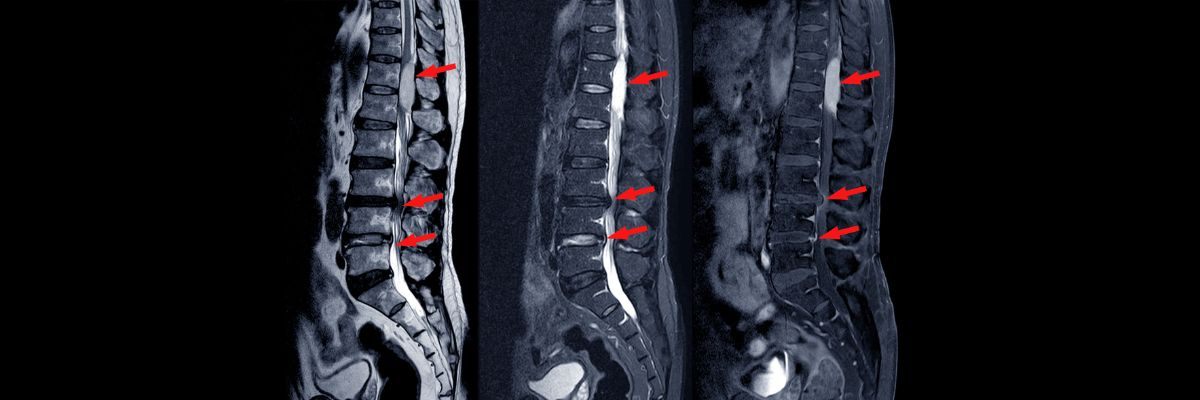
What is Lumbar Canal Stenosis?
The spine has a central canal where the spinal cord and nerves pass through. In lumbar canal stenosis, this space becomes narrow, usually due to aging or wear and tear. This narrowing puts pressure on the spinal nerves, which can cause pain, numbness, and weakness in your lower body.
It mostly affects people over the age of 50 but can also happen earlier in some cases.
Signs You Might Have Lumbar Canal Stenosis
Common symptoms include:
- Pain in the lower back
- Pain or burning sensation in the legs
- Numbness or tingling in buttocks, legs, or feet
- Muscle weakness in the legs
- Trouble walking or standing for a long time
- Feeling better when bending forward or sitting down
Why Does Lumbar Canal Stenosis Happen?
It usually happens because of age-related changes in the spine:
- Wear and tear of the spinal bones and joints
- Thickening of ligaments that press on the nerves
- Bulging or herniated discs
- Arthritis in the spine
- Sometimes, people are born with a narrow spinal canal
How Do Doctors Find the Problem?
To confirm lumbar canal stenosis, your doctor may suggest:
- Physical examination to check your reflexes and leg strength
- X-rays, MRI, or CT scans to see the narrowing in your spine
- Nerve tests, if you're having weakness or numbness
How is Lumbar Canal Stenosis Treated?
Treatment depends on how severe the symptoms are.
1. Medicines
- Pain relievers (like paracetamol or ibuprofen)
- Medicines for nerve pain
- Muscle relaxants for stiffness
2. Physiotherapy
- Stretching and strengthening exercises
- Posture correction
- Training to improve balance and walking
3. Lifestyle Changes
- Avoid long standing or walking
- Use a walking aid if needed
- Sleep on a supportive mattress
4. Injections
In some cases, steroid injections in the spine can help reduce swelling and pain.
5. Surgery (In Severe Cases)
If walking becomes too difficult or pain is not improving with other treatments, your doctor may recommend lumbar spine surgery to create more space for the nerves. This is called decompression surgery or laminectomy.
How to Take Care of Yourself After Treatment
After treatment or surgery:
- Follow your exercise plan as advised by your doctor
- Avoid lifting heavy items
- Sit and stand with good posture
- Walk regularly, but take breaks when needed
- Report any new symptoms to your doctor
When Should You See a Doctor?
Get checked if you:
- Have regular pain in your lower back or legs
- Feel numbness or tingling in your feet
- Have trouble walking or standing
- Lose control over your bladder or bowels (emergency)