
Overview
Lower Back Pain is discomfort or pain felt in the lower part of the spine, between the bottom of the rib cage and the buttocks. It is one of the most common health problems affecting people of all ages and can range from mild discomfort to severe pain that interferes with daily activities.
Lower back pain may develop due to muscle strain, poor posture, disc-related problems, age-related changes in the spine, injury or certain underlying medical conditions. Some people experience pain only in the lower back, while others may have pain that spreads into the buttocks or legs. Most episodes improve with appropriate care, but persistent or severe symptoms require medical evaluation.
Understanding Lower Back Pain
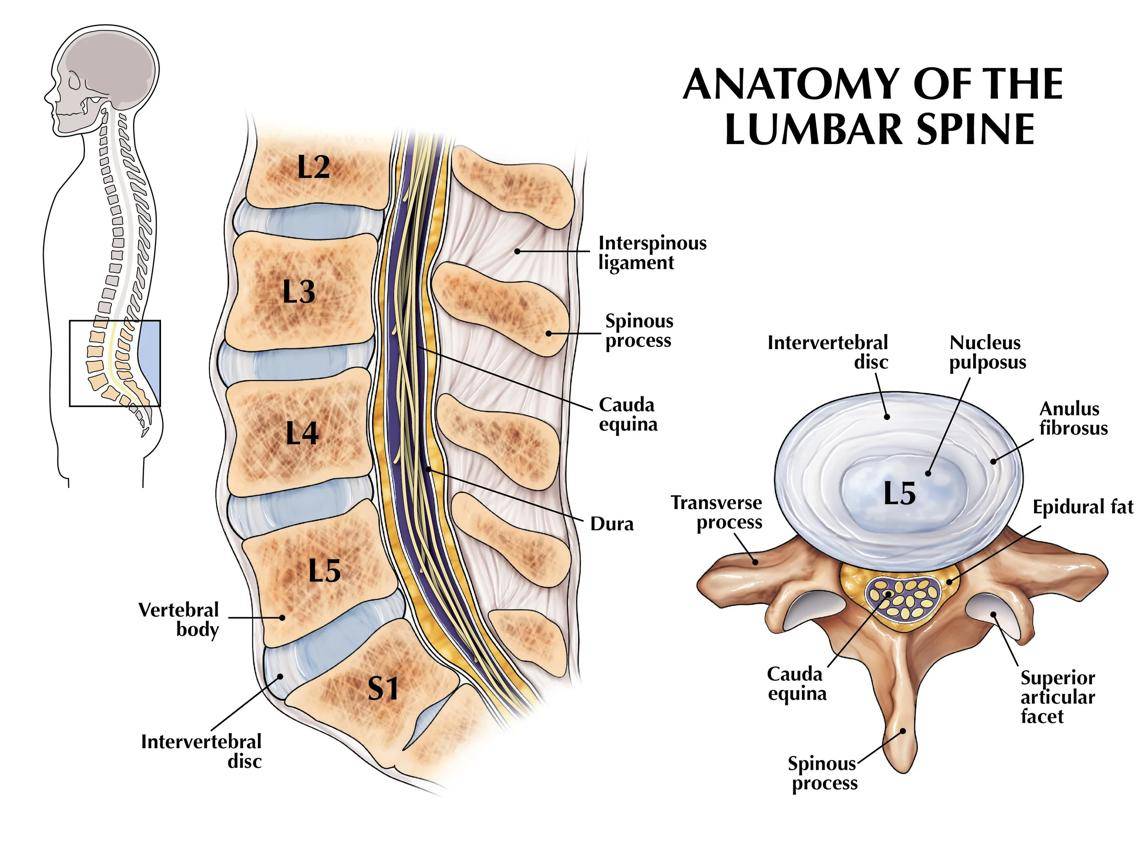
The lower back, also called the lumbar region, is an important part of the spine that supports the body's weight and helps with movement.
The lumbar spine generally consists of five vertebrae, known as L1 to L5. These bones are separated by intervertebral discs that act as cushions and help absorb stress during movement.
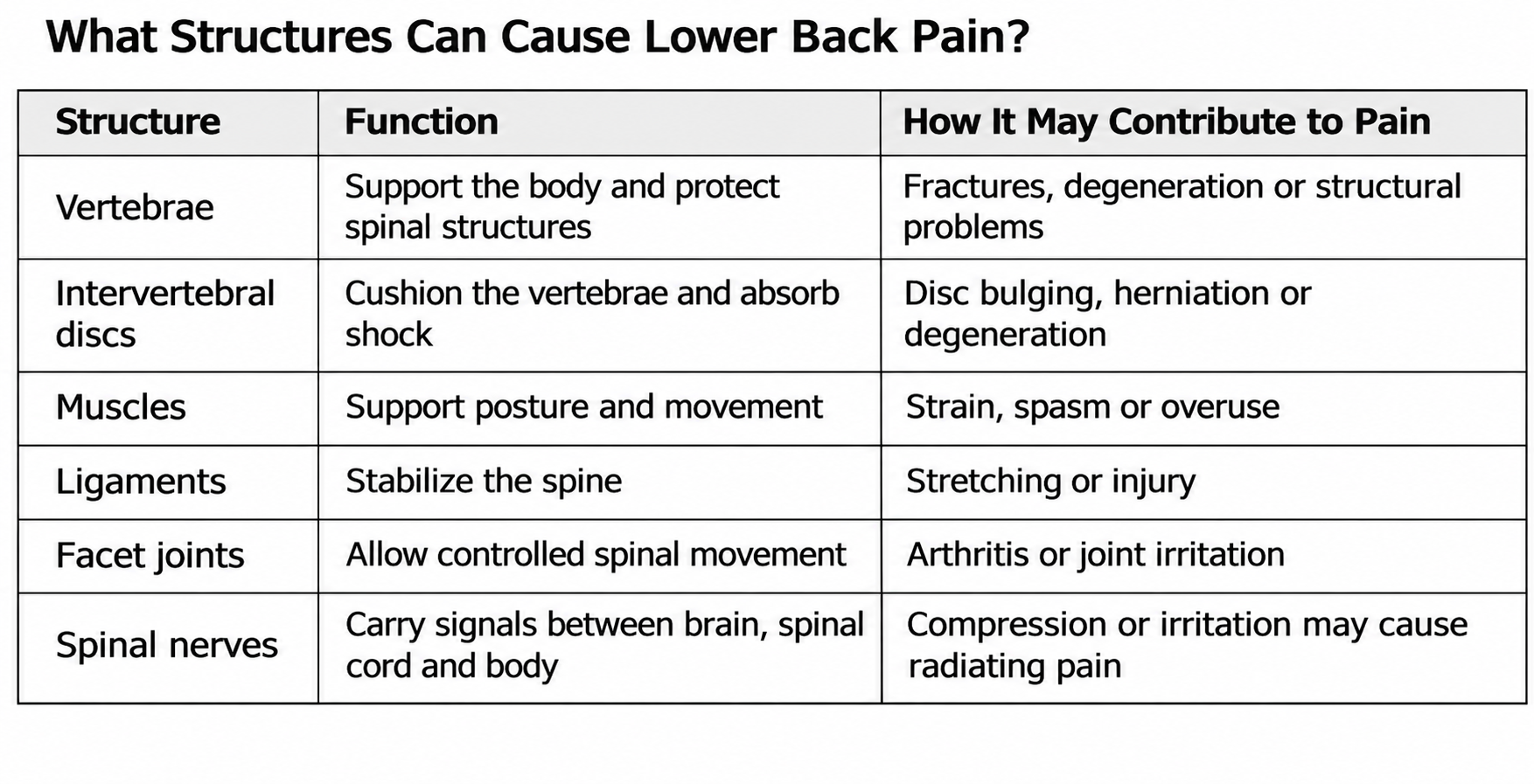
The lower back is supported by muscles, ligaments, joints and nerves that work together to maintain balance, stability and flexibility.
Lower Back Pain Symptoms: Signs You Should Not Ignore
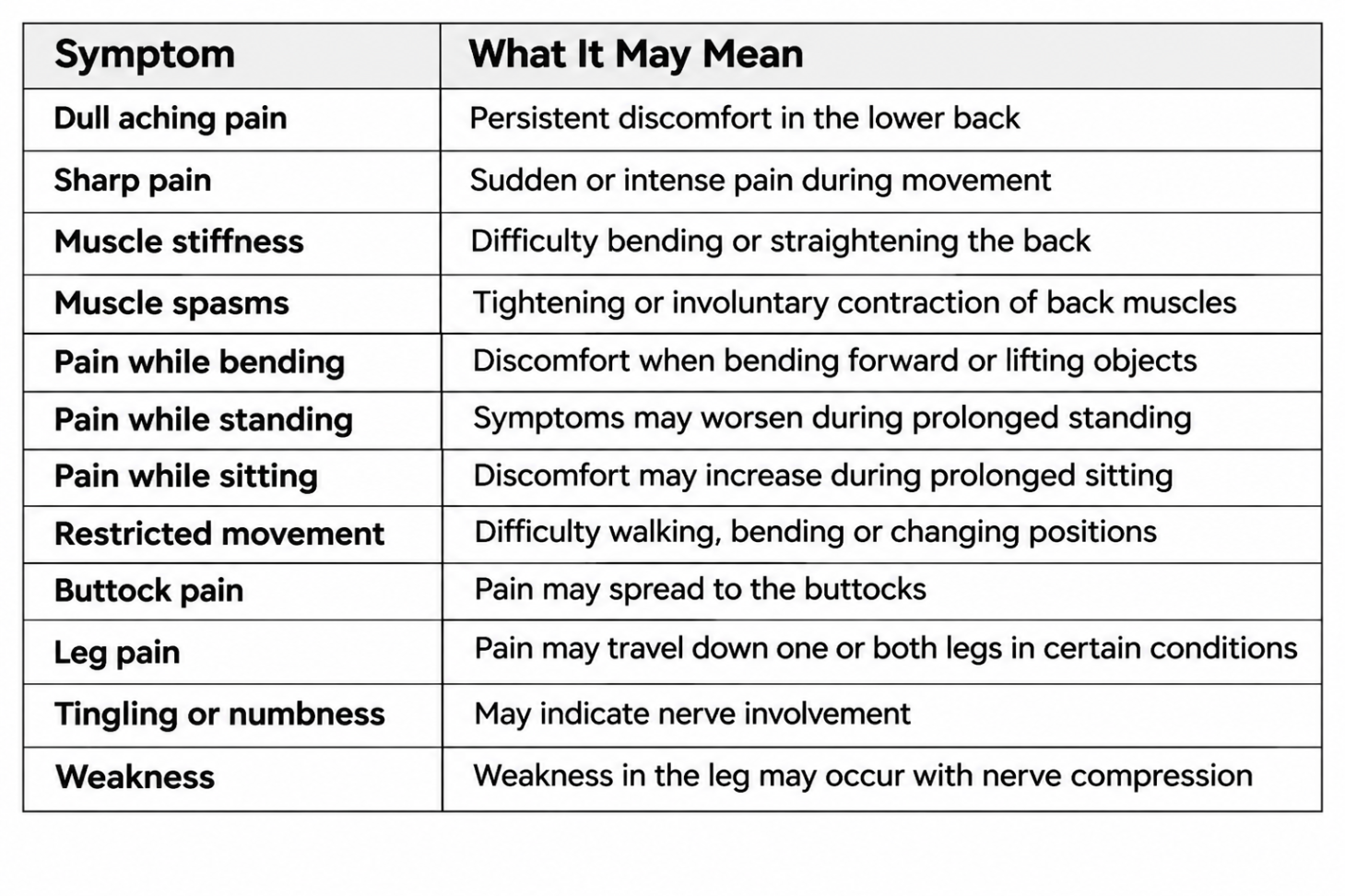
Lower back pain symptoms can vary depending on the cause, severity and duration of the condition.
Some people experience a dull, aching sensation, while others may have sharp pain, stiffness or difficulty moving.
Common Symptoms of Lower Back Pain
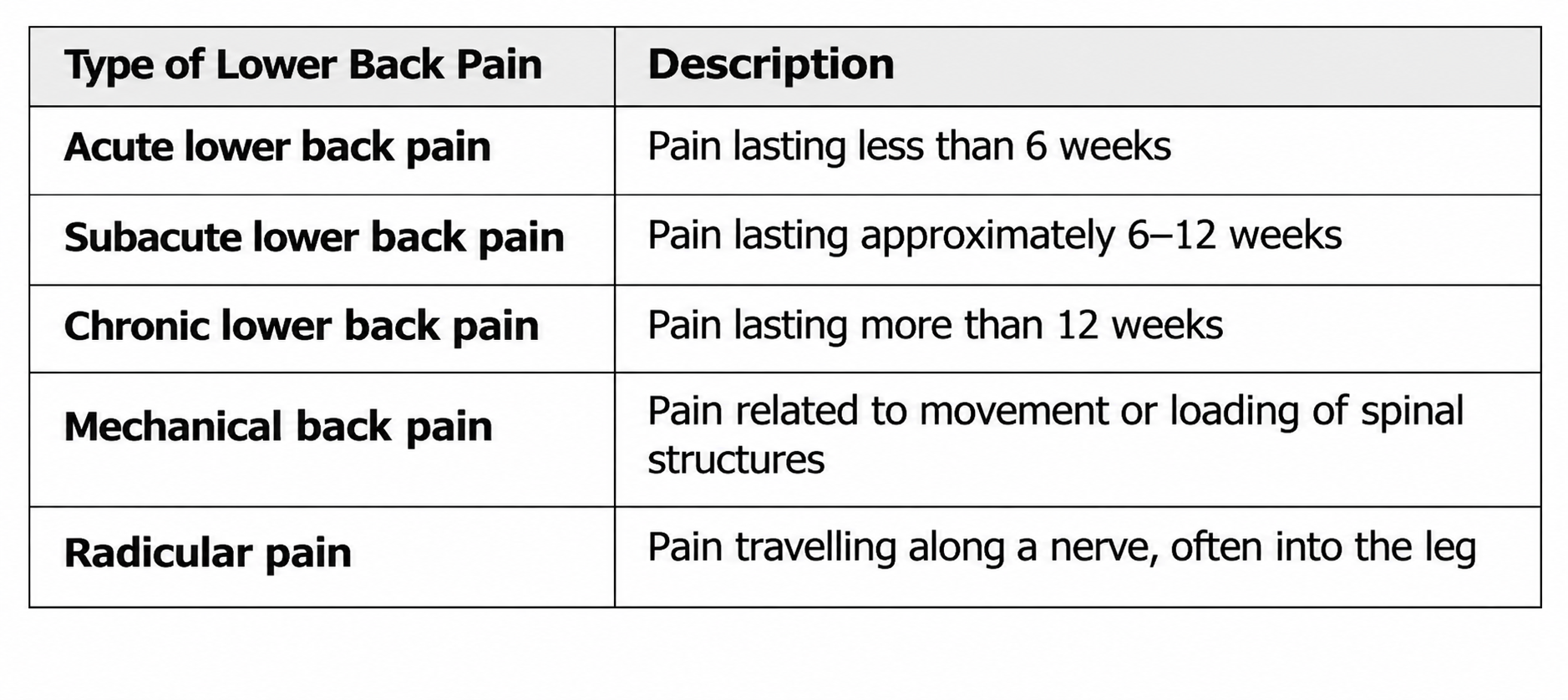
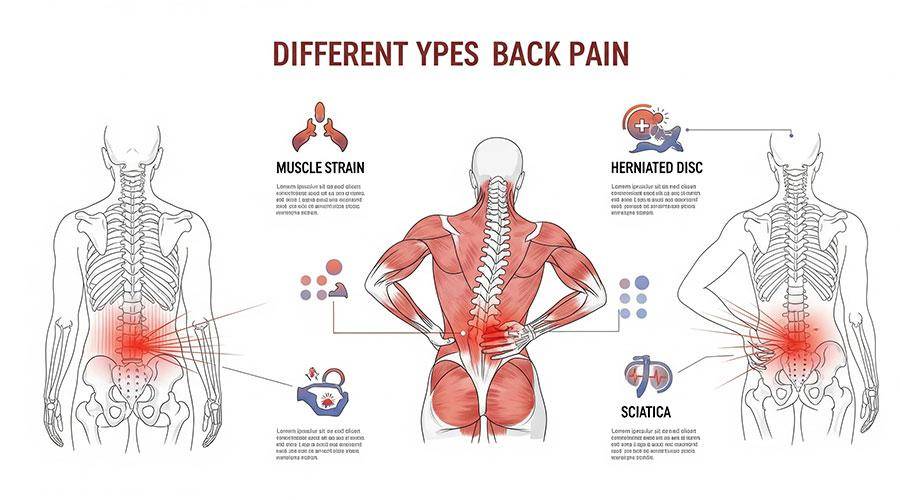
Different Types of Lower Back Pain
When Lower Back Pain Travels Down the Leg
Pain that radiates from the lower back into the buttock and leg may be associated with irritation or compression of a spinal nerve.
This may occur in conditions such as:
- Sciatica
- Herniated Disc
- Lumbar spinal stenosis
- Nerve root compression
Radiating pain may be accompanied by tingling, numbness or weakness.
Emergency warning signs: New loss of bladder or bowel control, difficulty passing urine, numbness around the genitals or anus, or rapidly worsening weakness in both legs may indicate a serious spinal nerve condition. Seek emergency medical care immediately.
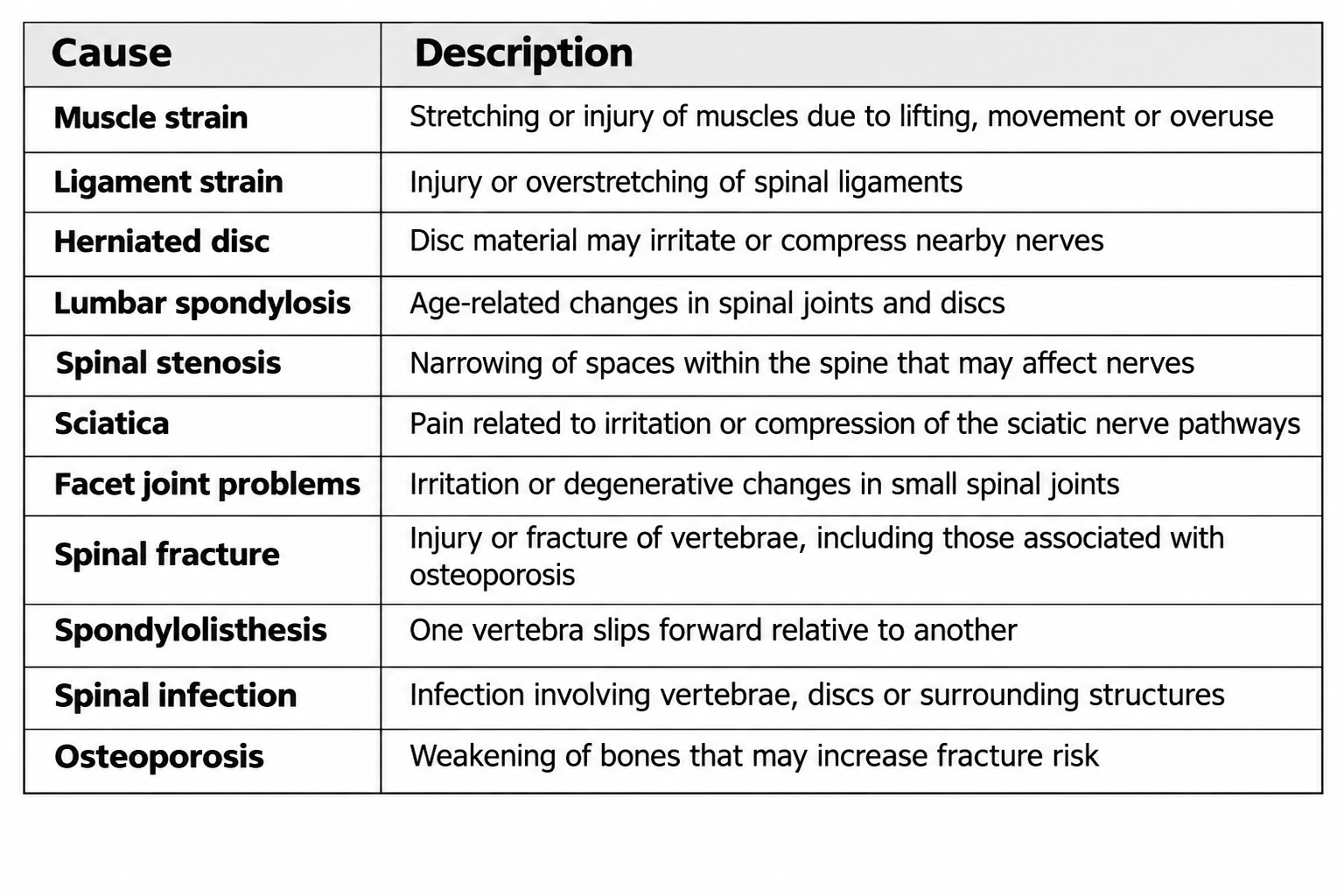
Lower Back Pain Causes and Risk Factors
Lower back pain can develop for several reasons. It may result from muscle strain, changes in the spinal discs, joint problems, injury or certain medical conditions.
In many patients, the pain is classified as non-specific lower back pain, meaning that a specific structural cause cannot be confidently identified.
Does Sitting for Long Hours Cause Lower Back Pain?
Prolonged sitting may aggravate lower back pain in some people, especially when combined with limited movement, poor conditioning or uncomfortable positioning.
However, lower back pain is not simply caused by one posture. Regular movement, physical activity, strengthening and appropriate work habits are often more important than maintaining a single rigid sitting position throughout the day.
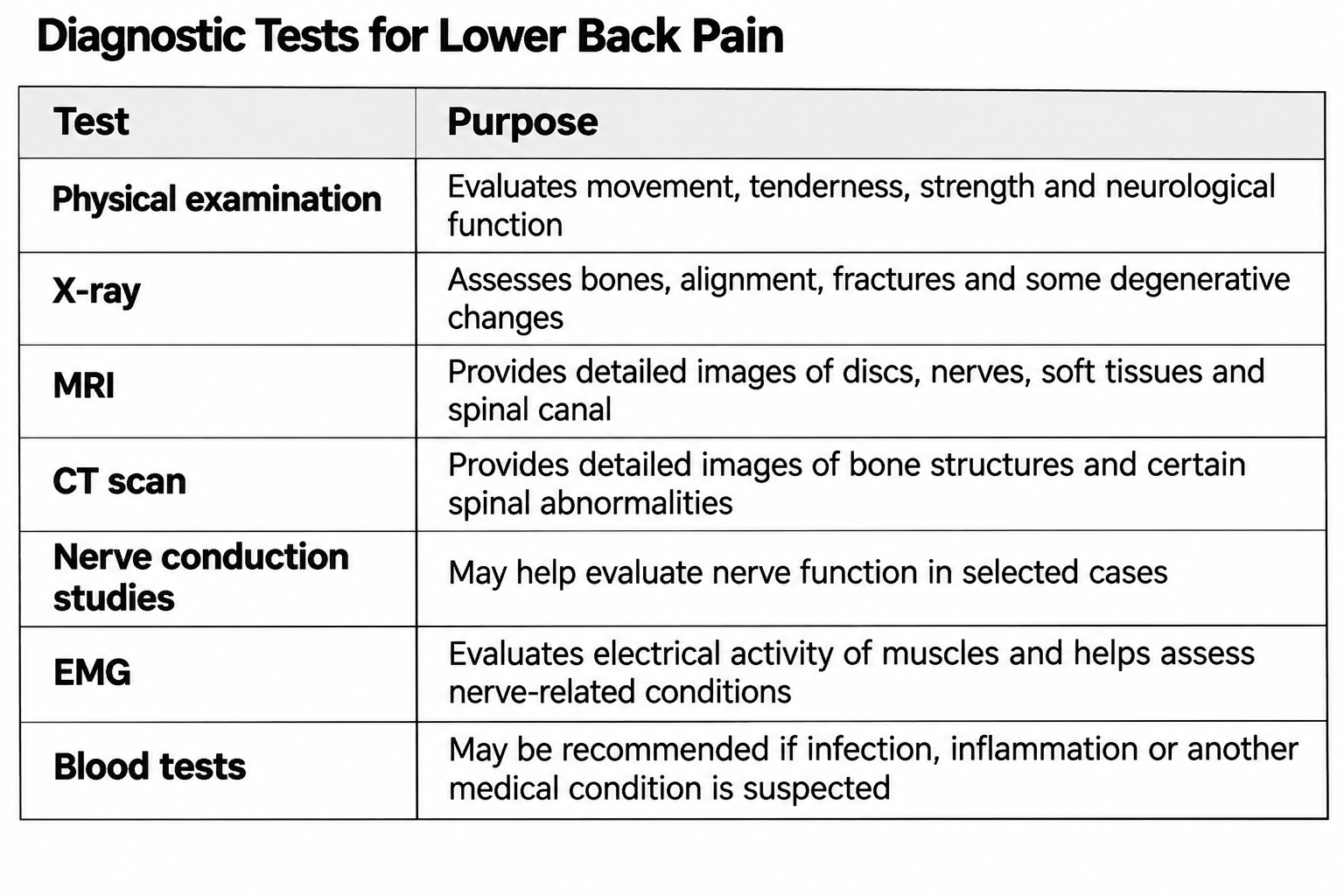
How Is Lower Back Pain Diagnosed?
Diagnosis begins with a detailed medical history and physical examination.
The doctor may ask about:
- When the pain started
- Whether the pain is sudden or gradual
- The location and severity of pain
- Whether pain travels into the buttock or leg
- Whether numbness or weakness is present
- Previous back injuries
- Occupation and daily activities
- Previous treatments
- Other medical conditions
The examination may include checking spinal movement, muscle strength, reflexes, sensation, balance and walking ability.
Is an MRI Always Needed for Lower Back Pain?
No. Most people with uncomplicated lower back pain do not require immediate imaging.
MRI or other investigations may be recommended when symptoms are severe, persistent, associated with neurological abnormalities or when a specific underlying condition is suspected.
The doctor determines whether imaging is necessary based on the clinical findings and symptoms.
Lower Back Pain Treatment : What Are the Options?
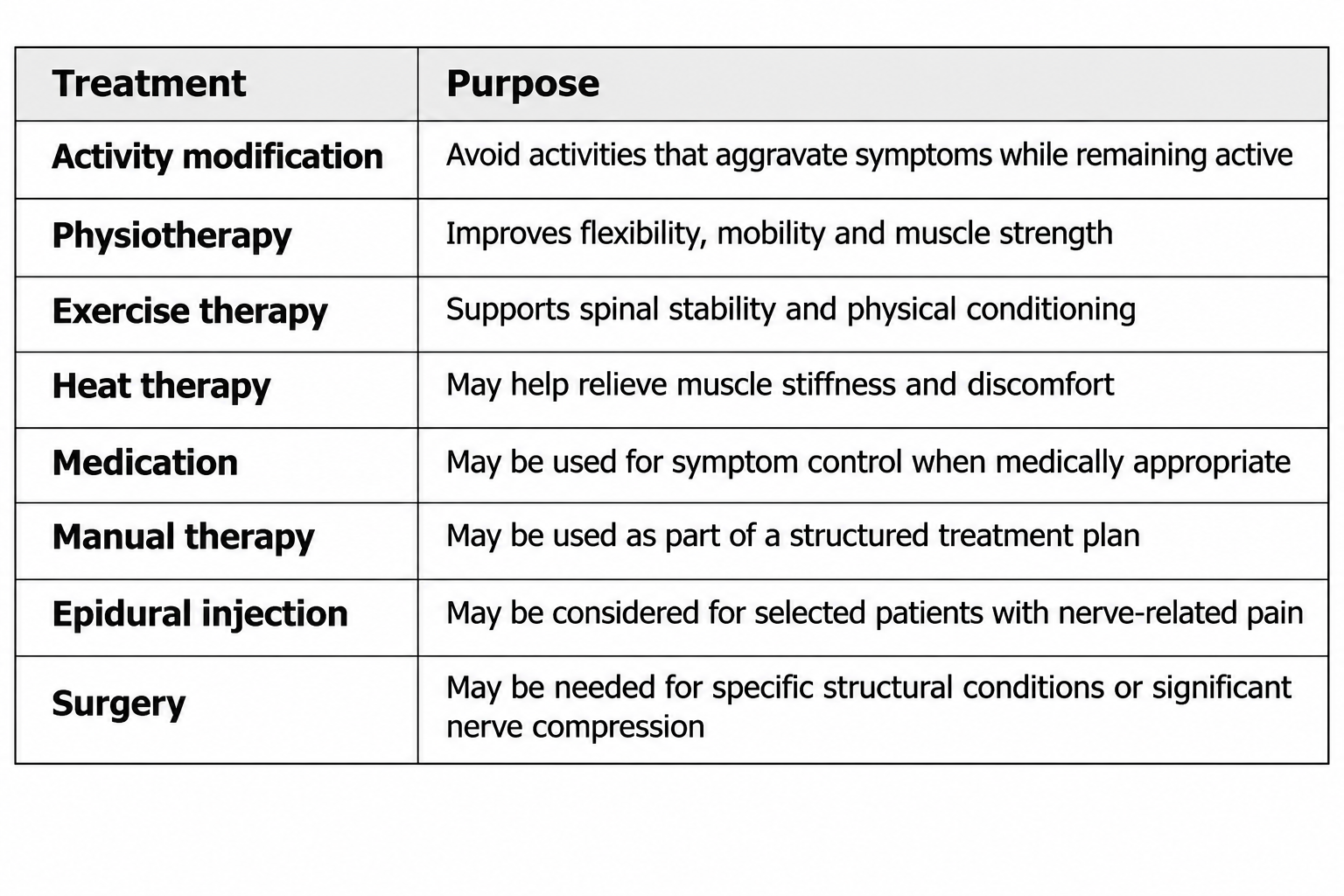
Treatment for lower back pain depends on its cause, severity, duration and whether the pain is associated with nerve compression or another medical condition.
Most people with uncomplicated lower back pain improve without surgery. Treatment often focuses on pain relief, maintaining movement, improving muscle strength and returning to normal daily activities.
Treatment Options for Lower Back Pain
Non-Surgical Treatment for Lower Back Pain
1. Physiotherapy : Physiotherapy is often an important part of lower back pain management.
A physiotherapist may recommend:
- Gentle stretching exercises
- Core strengthening
- Back muscle strengthening
- Mobility exercises
- Postural training
- Walking and aerobic exercise
- Gradual return to normal activities
The exercise program should be adjusted to the patient's symptoms and abilities.
2. Staying Physically Active : Prolonged bed rest is generally not recommended for uncomplicated lower back pain. Staying active within your comfort level may help recovery.
Activities may include:
- Walking
- Gentle stretching
- Light daily activities
- Gradually increasing physical activity
Avoid activities that significantly worsen pain, and seek guidance if symptoms are severe or persistent.
3. Heat and Cold Therapy : A wrapped heat pack may help relieve muscle stiffness and spasms. A cold pack may help with discomfort following an injury. Avoid applying heat or ice directly to the skin.
4. Medicines : Depending on the cause and individual health factors, a healthcare professional may recommend certain medicines to reduce pain or inflammation.
Medication suitability varies depending on age, kidney function, stomach problems, other medical conditions and medicines already being taken. Avoid self-medicating for prolonged periods.
5. Lifestyle Modification : Lifestyle changes may help reduce repeated episodes of back pain.
- Maintain a healthy body weight.
- Avoid smoking.
- Improve physical conditioning.
- Take breaks from prolonged sitting.
- Maintain a comfortable sleeping routine.
- Avoid sudden increases in heavy physical activity.
When Is Lower Back Pain Surgery Required?
Most lower back pain does not require surgery. Surgery is considered when there is a specific spinal condition for which a surgical procedure is likely to provide meaningful benefit.
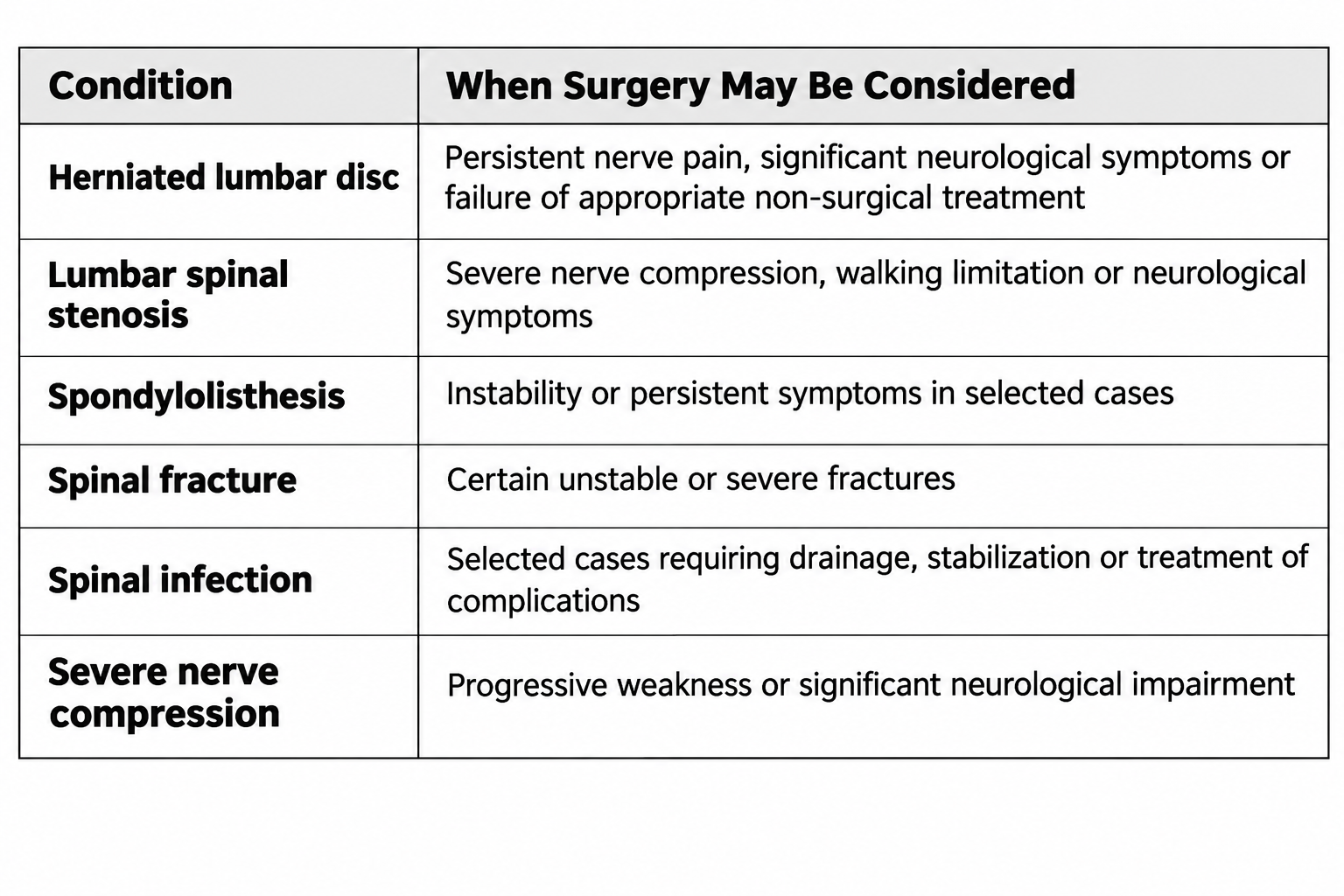
Types of Lower Back Surgery
1. Lumbar Discectomy : A procedure to remove the part of a herniated disc that is compressing a spinal nerve.
2. Lumbar Decompression Surgery : A procedure to create more space for compressed nerves. This may involve removing selected bone or other tissues contributing to narrowing.
3. Laminectomy : Removal of part or all of the lamina of a vertebra to relieve pressure on the spinal canal or nerves, depending on the condition.
4. Spinal Fusion : A procedure in which two or more vertebrae are joined together to stabilize a spinal segment in selected conditions.
5. Minimally Invasive Spine Surgery : Certain spinal procedures may be performed using smaller incisions and specialized instruments. The suitability of minimally invasive surgery depends on the underlying condition and the surgical goals.
Surgery is not recommended simply because an MRI shows disc bulging or degeneration. Imaging findings must be considered alongside symptoms, physical examination and the patient's overall condition.
Recovery After Lower Back Pain Treatment or Surgery
Recovery depends on the underlying cause of pain and the treatment received.
Recovery After Non-Surgical Treatment
Patients may be advised to:
- Continue gentle movement.
- Follow prescribed physiotherapy exercises.
- Avoid prolonged bed rest.
- Gradually return to work and daily activities.
- Avoid heavy lifting during painful episodes.
- Follow medical advice regarding medication.
Recovery After Spine Surgery
Recovery after spinal surgery varies according to the procedure.
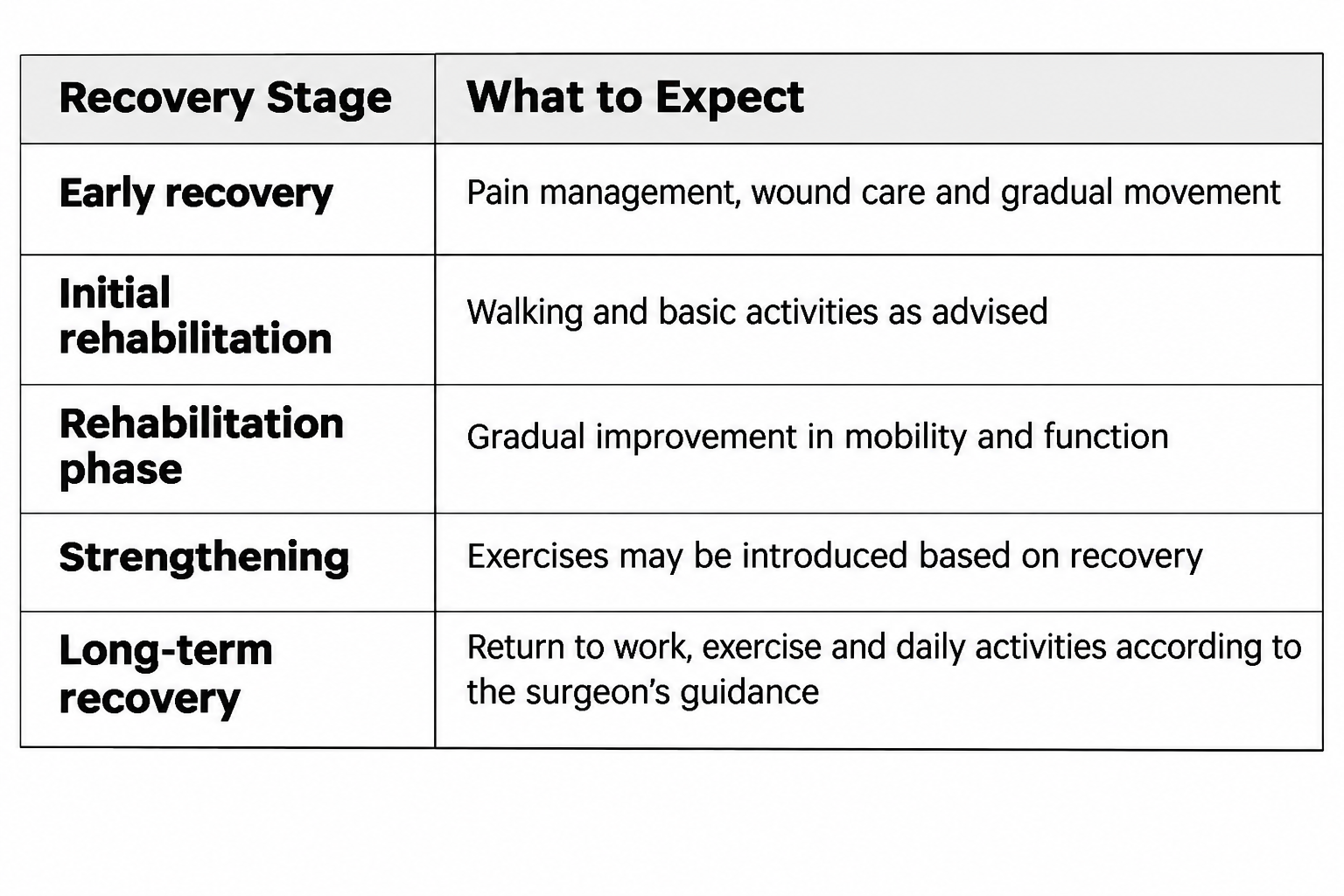
Important Recovery Tips
- Follow your surgeon's instructions.
- Avoid lifting heavy objects until medically cleared.
- Do not rush into strenuous exercise.
- Keep surgical wounds clean and follow wound-care instructions.
- Attend follow-up appointments.
- Participate in rehabilitation as advised.
How Can Lower Back Pain Be Prevented?
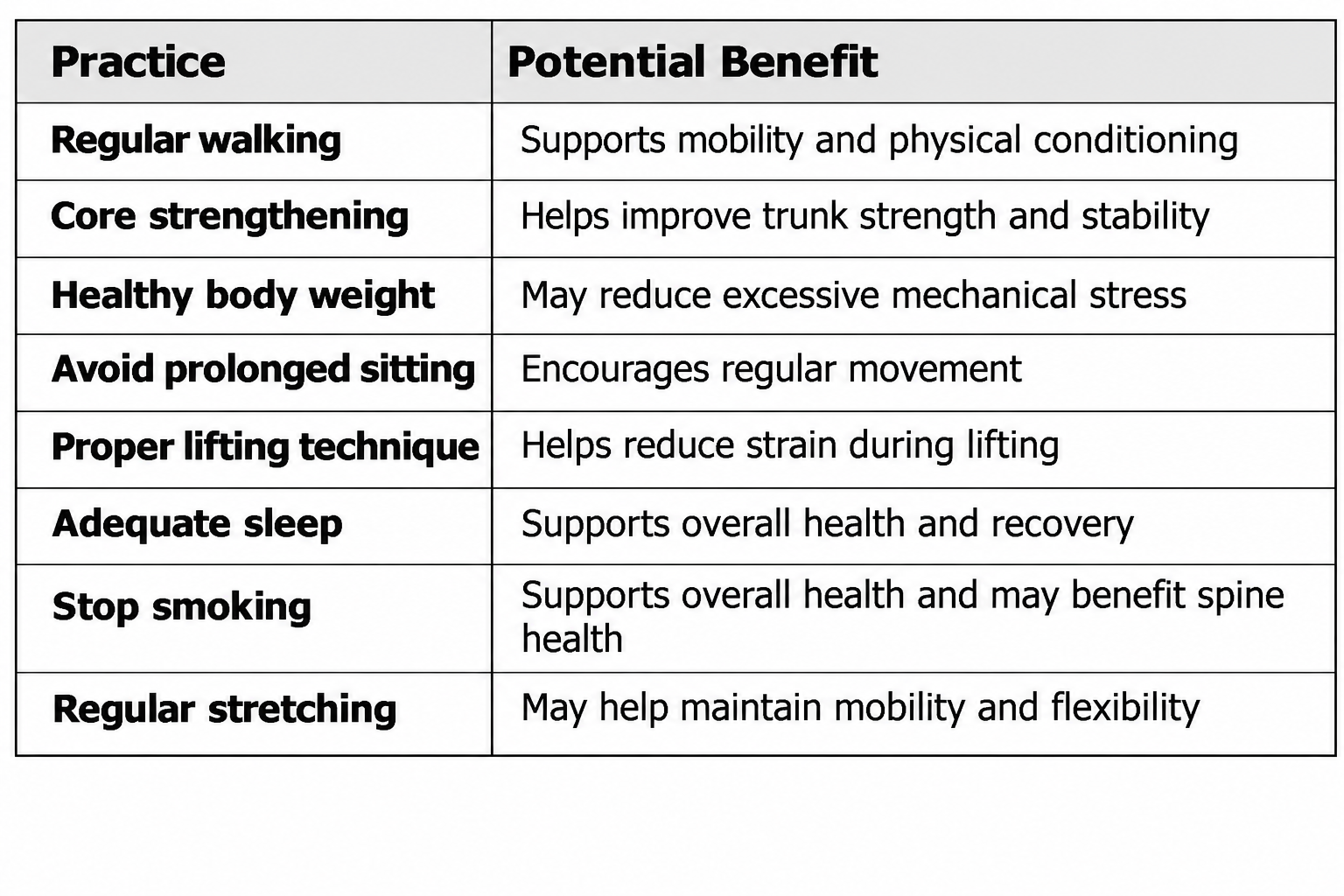
Not all lower back pain can be prevented. However, maintaining an active lifestyle and improving physical conditioning may help reduce the risk of recurrent episodes.
Daily Habits for a Healthy Spine
Safe Lifting Tips
When lifting objects:
- Keep the object close to your body.
- Avoid twisting suddenly while lifting.
- Bend your hips and knees as comfortable.
- Avoid lifting loads beyond your ability.
- Ask for assistance with heavy objects.
Workstation and Posture Tips
If you spend long hours at a desk:
- Use a chair that supports comfortable sitting.
- Keep your feet supported.
- Adjust your screen to a comfortable height.
- Avoid staying in the same position for too long.
- Take short movement breaks regularly.
Remember: there is no single perfect posture that must be maintained all day. Changing positions and moving regularly are important.
When Should You Consult a Doctor for Lower Back Pain?
You should consult a healthcare professional if:
- Lower back pain lasts more than a few weeks.
- Pain keeps returning.
- Pain interferes with sleep or daily activities.
- Pain radiates into your leg.
- You experience numbness or tingling.
- You have leg weakness.
- Pain is progressively worsening.
- Pain occurs after an injury or accident.
- You have unexplained weight loss, fever or other concerning symptoms.
Emergency Warning Signs
Seek emergency medical care immediately if you have:
- New loss of bladder or bowel control
- Difficulty passing urine
- Numbness around the groin, genitals or inner thighs
- Severe or rapidly worsening weakness in the legs
- Severe back pain following a significant accident or injury
- Back pain associated with sudden neurological symptoms
These symptoms may indicate serious nerve compression, including cauda equina syndrome, or another emergency spinal condition. Do not delay medical evaluation.
Conclusion
Lower back pain is one of the most common musculoskeletal problems and can affect people of all ages. It may result from muscle strain, disc problems, spinal degeneration, nerve compression, injuries or other underlying medical conditions.
Although most cases improve with appropriate conservative treatment, persistent pain, radiating leg pain, numbness or weakness should not be ignored. Early evaluation can help identify the cause, prevent complications and guide the right treatment.
Maintaining an active lifestyle, strengthening the back muscles, avoiding prolonged inactivity and seeking medical attention when necessary can help support long-term spine health.
If lower back pain is affecting your daily life, seek professional evaluation to understand its cause and choose the most appropriate treatment.
Consult a specialist: Neurosurgeon Consultation
Frequently Asked Questions (FAQs)
1. What is the most common cause of lower back pain?
Muscle or ligament strain is a common cause of lower back pain. However, back pain may also be related to disc problems, spinal degeneration, nerve compression, joint conditions or other medical issues. In many cases, a specific cause cannot be identified, and symptoms improve with appropriate conservative care.
2. How long does lower back pain take to heal?
Many episodes of acute lower back pain improve within a few days to several weeks. Recovery depends on the underlying cause, severity and overall health. Some people experience recurrent episodes or chronic pain lasting more than three months and may need a structured treatment and rehabilitation plan.
3. Is walking good for lower back pain?
Walking is generally helpful for many people with uncomplicated lower back pain because it promotes movement and physical conditioning. Start at a comfortable pace and gradually increase your activity. If walking causes severe pain, significant leg weakness or worsening neurological symptoms, seek medical evaluation.
4. Does lower back pain always mean a slipped disc?
No. Lower back pain does not always mean a slipped or herniated disc. It may result from muscle strain, ligament irritation, joint problems, age-related changes or other causes. A clinical examination helps determine whether the symptoms are related to a disc or another condition.
5. When does lower back pain require surgery?
Surgery may be considered when lower back pain is caused by a specific structural problem, such as a herniated disc or spinal stenosis, and symptoms are severe or persist despite appropriate non-surgical treatment. Progressive weakness or serious nerve compression may require urgent surgical evaluation.