Overview
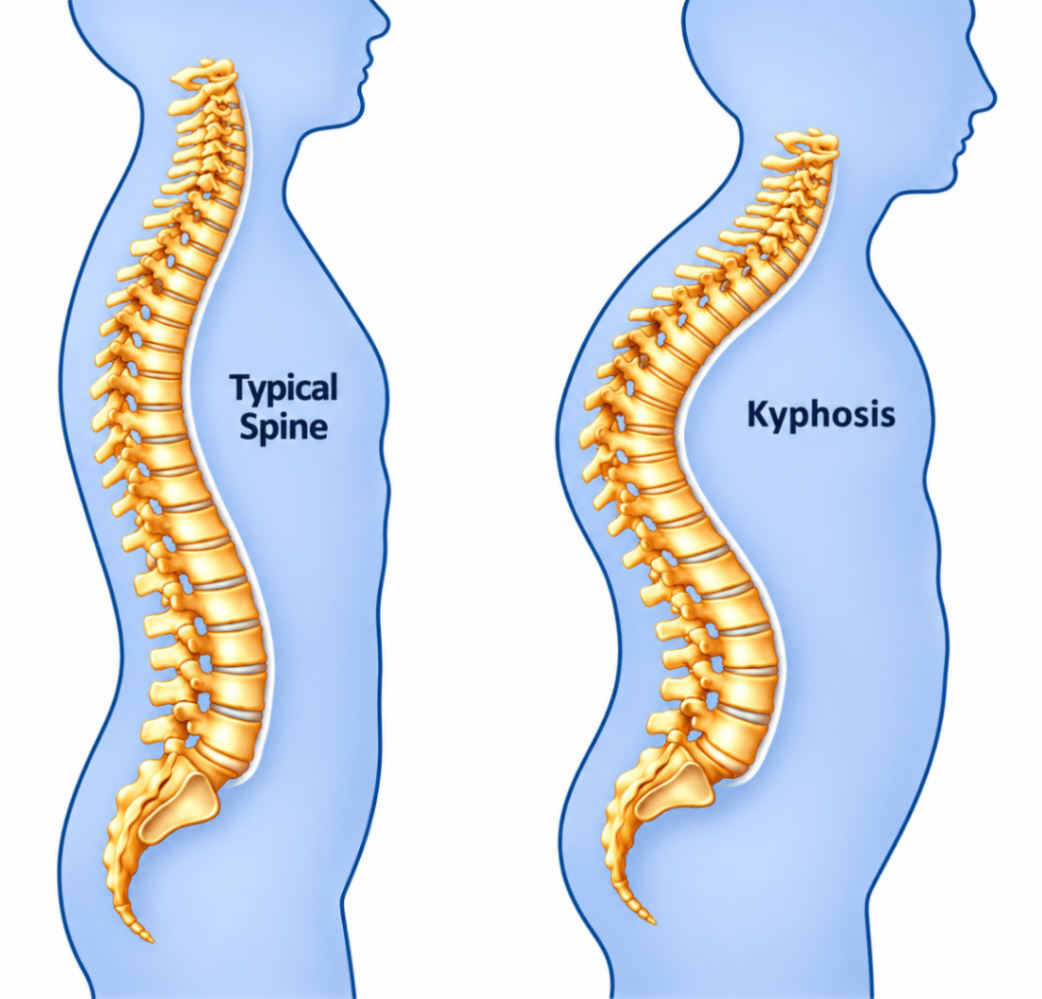
Kyphosis is a spinal condition in which the upper back curves forward more than normal, creating a rounded or hunched appearance. Although the spine naturally has a gentle curve, excessive curvature can lead to posture changes, back pain, stiffness, and difficulty performing daily activities. Kyphosis can affect teenagers, adults, and older people for different reasons. In some cases, it is related to posture, while in others it may result from spinal deformities, osteoporosis, fractures, or degenerative changes. Early evaluation helps identify the cause and determine the most appropriate treatment.
What Is Kyphosis and What Are Its Symptoms?
Kyphosis is an excessive forward curvature of the upper spine. It can make the back appear rounded or hunched. The severity may vary from a mild curve that causes little discomfort to a more pronounced deformity associated with pain, stiffness, and functional difficulties.
Some people develop kyphosis gradually, while others may experience it due to an underlying spinal condition or injury.
Common symptoms of kyphosis
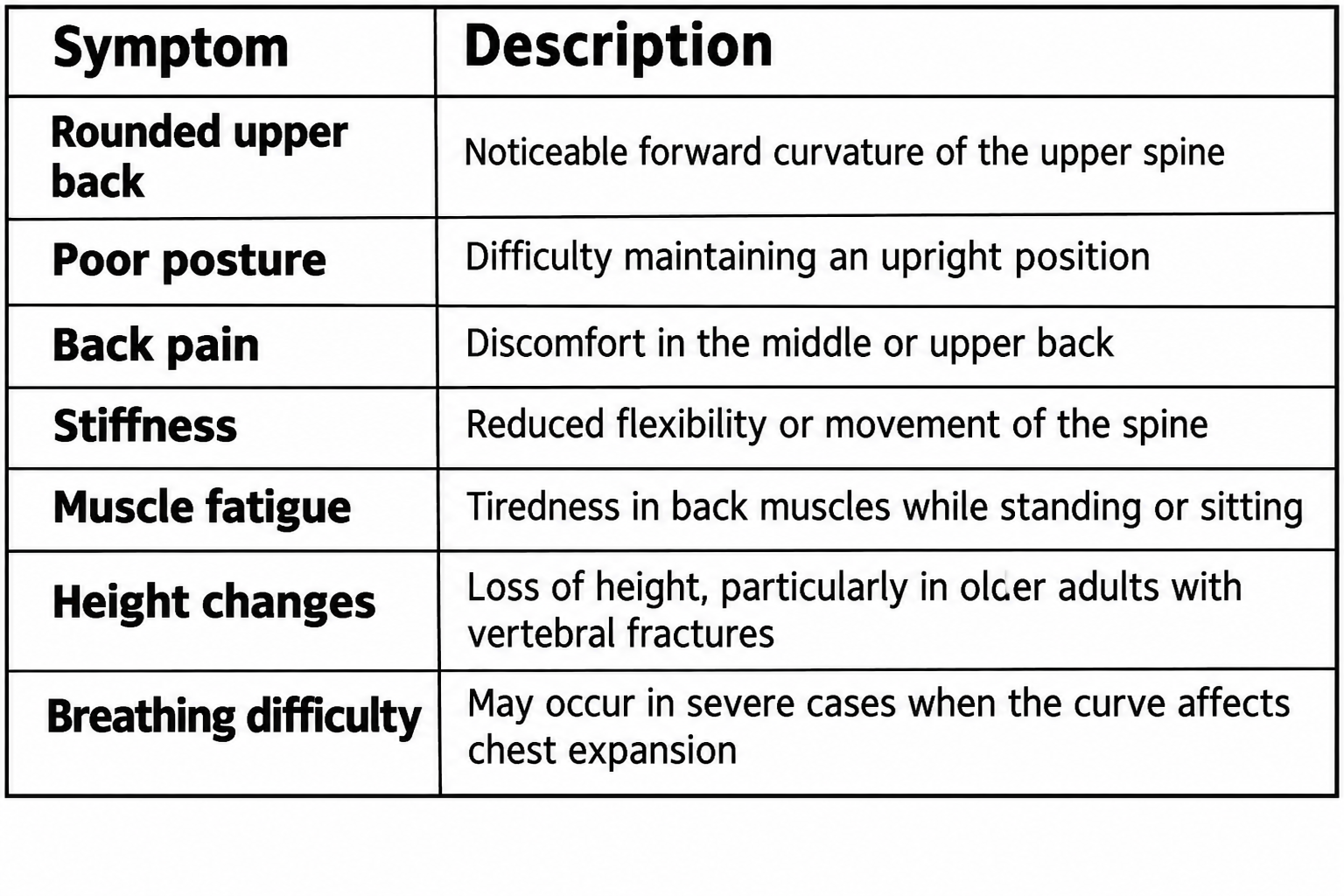
The symptoms depend on the type and severity of kyphosis. Mild cases may mainly affect appearance and posture, while severe curvature may affect mobility, comfort, and breathing.
What Causes Kyphosis and Who Is at Risk?
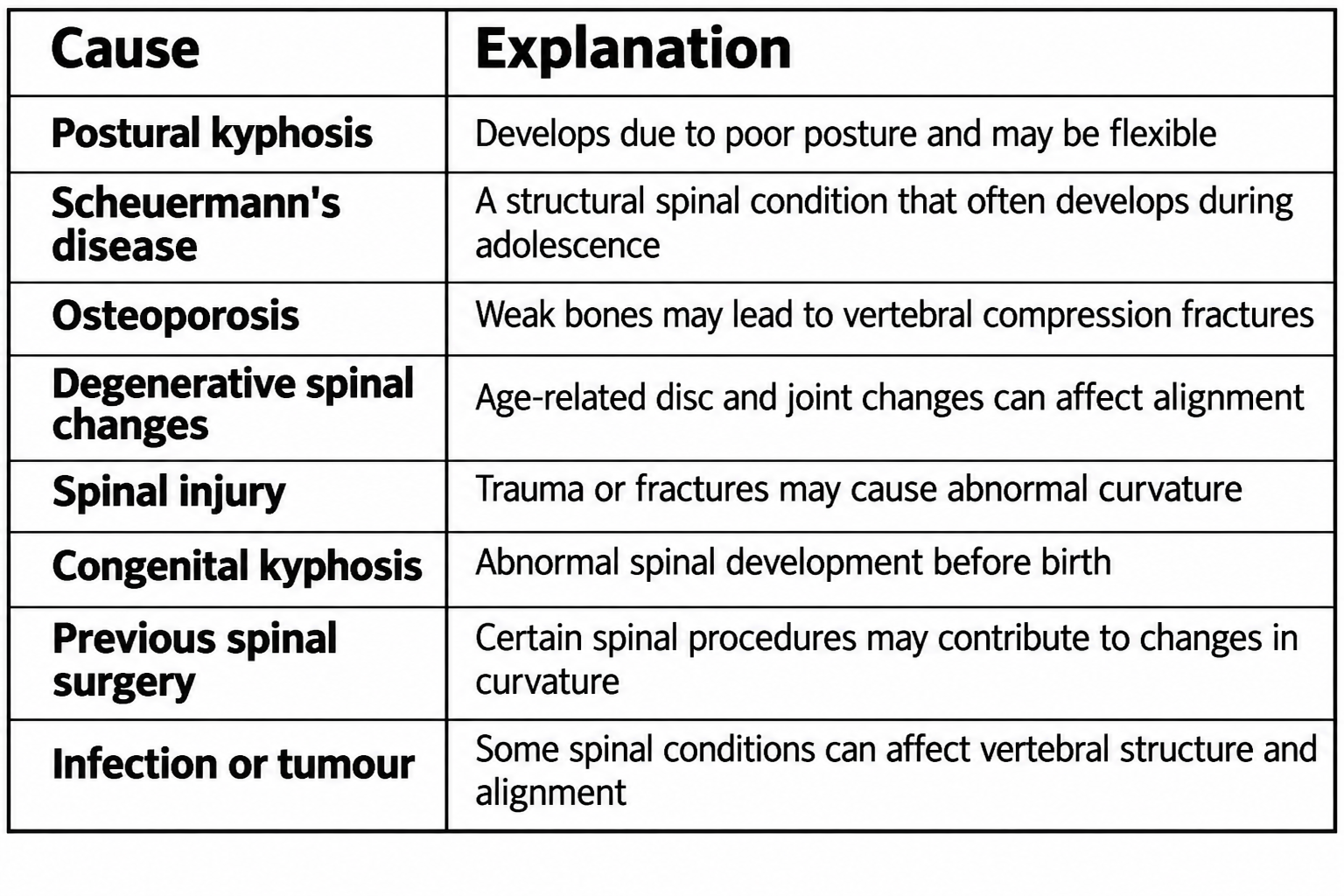
Kyphosis can develop due to several conditions affecting the structure, strength, or alignment of the spine. The cause may vary depending on a person's age and medical history.
Common causes of kyphosis
Risk factors
Some factors may increase the likelihood of developing kyphosis:
- Older age and age-related bone weakness
- Osteoporosis
- Poor posture over long periods
- Certain spinal developmental conditions
- Previous spinal injury
- History of vertebral fractures
- Conditions affecting muscles or connective tissues
Not every rounded back is caused by poor posture. A structural deformity, vertebral fracture, or underlying disease may require medical evaluation.
How Is Kyphosis Diagnosed and Treated?
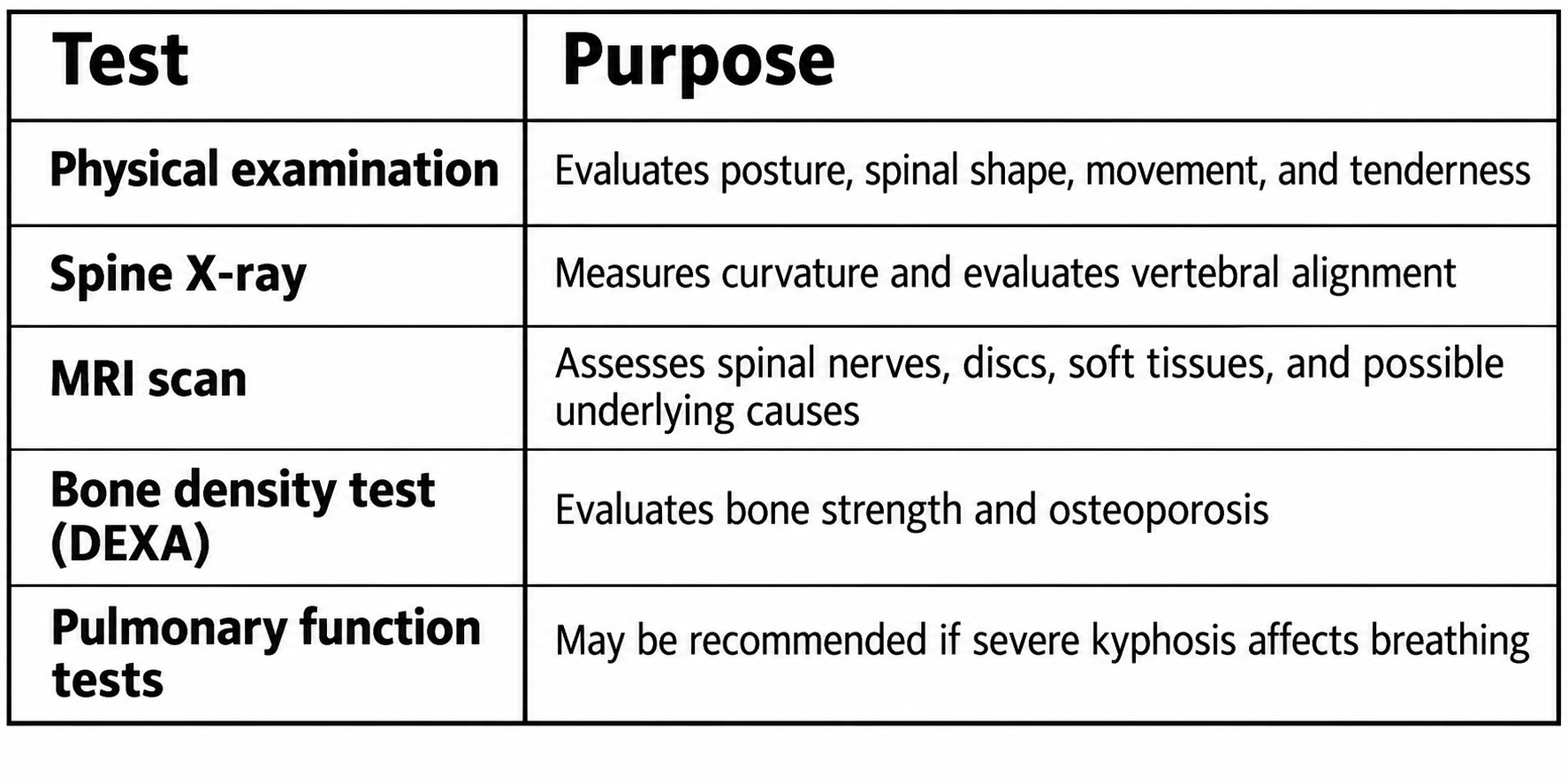
Kyphosis is diagnosed through a physical examination and assessment of spinal alignment. A doctor may evaluate posture, flexibility, pain, neurological function, and the degree of curvature. Diagnostic tests help identify the underlying cause and determine whether the condition is flexible or structural.
Diagnostic tests for kyphosis
Treatment options for kyphosis
Treatment depends on the degree of curvature, age, symptoms, underlying cause, and whether the spine is still growing.
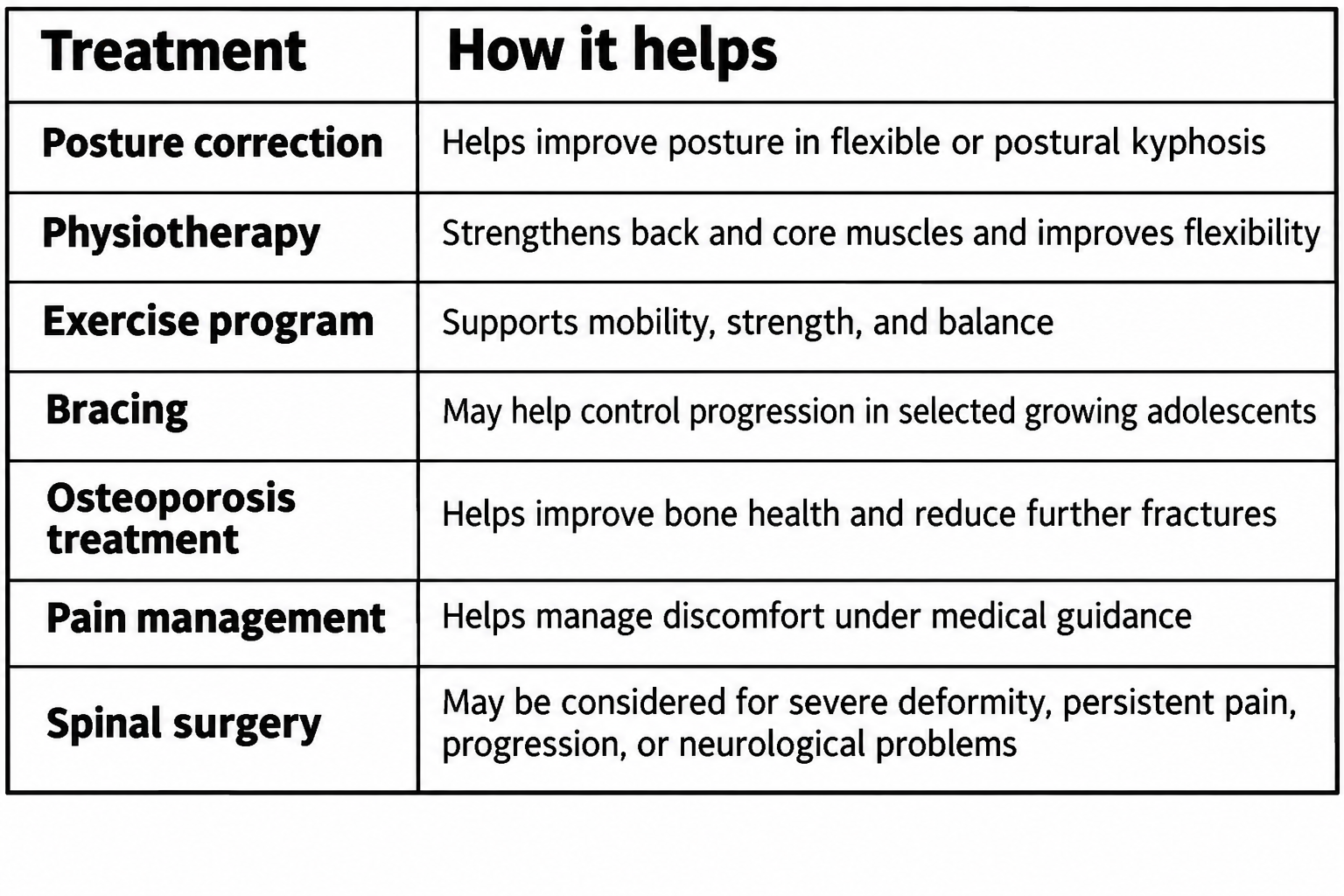
Surgery is not necessary for every patient with kyphosis. Many cases can be managed through monitoring, physiotherapy, and other non-surgical treatments. Severe or progressive curvature may require specialist evaluation for surgical correction.
Kyphosis – Recovery, Prevention & Daily Care
Living with kyphosis does not always mean that daily activities need to be restricted. Appropriate exercise, posture awareness, and treatment of underlying conditions can help improve comfort and maintain mobility.
Daily care tips for kyphosis
- Maintain good posture: Avoid prolonged slouching while sitting, standing, or using a mobile phone.
- Stay physically active: Regular movement helps maintain muscle strength and flexibility.
- Strengthen your back and core: Follow a physiotherapist-guided exercise program.
- Avoid prolonged sitting: Take regular breaks from desk work and screen time.
- Protect bone health: Adequate nutrition and appropriate physical activity support bone strength.
- Prevent falls: Especially important for older adults with osteoporosis.
- Follow medical advice: Monitor spinal curvature if recommended by your specialist.
When should you consult a doctor?
Seek medical evaluation if you notice:
- Increasing rounding of the upper back
- Persistent or worsening back pain
- Difficulty standing upright
- Sudden changes in spinal shape
- Reduced height or suspected vertebral fracture
- Leg weakness, numbness, or difficulty walking
- Breathing difficulty associated with severe curvature
Sudden severe back pain, particularly in an older adult or someone with osteoporosis, should not be ignored because it may be related to a spinal fracture.
Kyphosis Treatment at Global Neuro & Spine Care
Kyphosis can have different causes, and the right treatment depends on whether the spinal curvature is related to posture, bone weakness, a developmental condition, injury, or degenerative changes.
At Global Neuro & Spine Care, patients can seek guidance regarding spinal deformities, back pain, posture-related concerns, and other spine conditions.
A specialist evaluation can help determine whether monitoring, physiotherapy, bracing, medical treatment, or surgical intervention may be appropriate.
Conclusion
Kyphosis is an excessive forward curvature of the spine that may cause a rounded back, pain, stiffness, and difficulty maintaining posture. While some cases are mild, others may result from structural spinal changes, osteoporosis, or vertebral fractures. Early diagnosis and appropriate treatment can help manage symptoms, prevent progression in selected cases, and improve quality of life. Persistent back pain or noticeable changes in spinal curvature should be medically evaluated.
Frequently Asked Questions (FAQs)
1. Is kyphosis a serious spinal condition?
Kyphosis can range from mild postural changes to severe spinal deformity. Mild cases may cause little discomfort, while severe curvature can lead to persistent pain, reduced mobility, and breathing difficulties. The seriousness depends on the degree of curvature, its cause, and whether it is progressing.
2. Can kyphosis be corrected without surgery?
Many patients can be managed without surgery, depending on the cause and severity. Physiotherapy, posture correction, exercise, and bracing in selected younger patients may help. However, structural deformities or severe cases may require surgical evaluation.
3. Does kyphosis cause back pain?
Yes. Kyphosis can cause back pain, stiffness, tenderness, and muscle fatigue. The pain may occur because the altered spinal alignment places additional stress on muscles, joints, and other spinal structures. Some patients, however, may have kyphosis without significant pain.
4. Can kyphosis worsen with age?
Kyphosis may worsen with age, particularly when associated with osteoporosis, vertebral compression fractures, or degenerative spinal changes. Not every case progresses. Regular evaluation may be recommended when the curvature is increasing or symptoms are changing.
5. Which exercises are helpful for kyphosis?
Exercises that improve back muscle strength, core stability, flexibility, and posture may be beneficial. The appropriate exercises depend on the type of kyphosis. Patients should preferably follow a physiotherapist-guided program rather than performing aggressive stretching or corrective exercises without assessment.