What is Kyphosis?
Kyphosis is when the upper part of your spine curves too much forward, often giving a rounded or hunched look. It can happen because of:
- Poor posture over time
- Spinal fractures
- Degenerative diseases like arthritis
- Conditions from birth (congenital kyphosis)
- Scheuermann’s disease (in teenagers)
Mild kyphosis might not cause major problems, but severe kyphosis can lead to pain, poor posture, and difficulty breathing.
When is Surgery Needed for Kyphosis?
Surgery is usually considered when:
- The spinal curve is more than 70–75 degrees
- Pain is severe and does not improve with medicine or therapy
- There is nerve pressure causing numbness or weakness
- The curve is getting worse
- The condition affects breathing or heart function
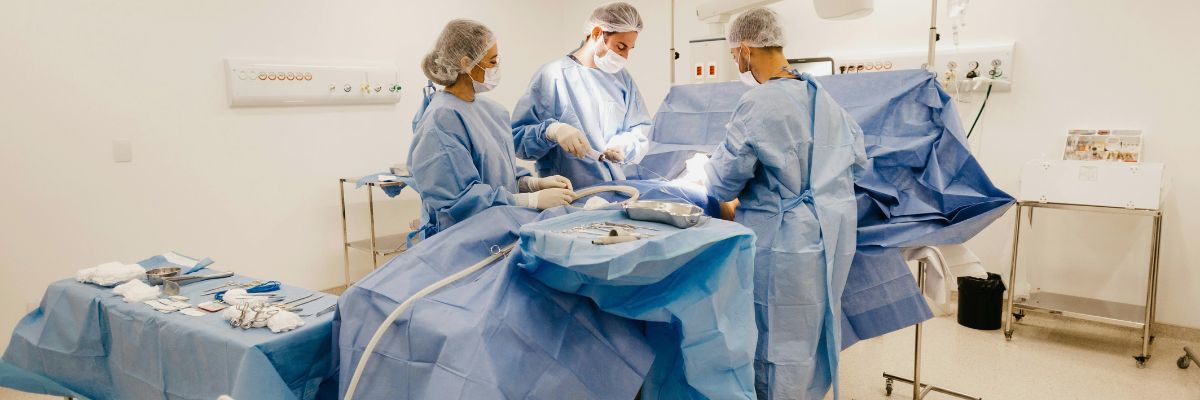
What Happens During Kyphosis Surgery?
The most common surgery is called Spinal Fusion.
Here’s what happens:
- The patient is under general anesthesia (asleep and pain-free)
- The surgeon uses metal rods, screws, and hooks to straighten the curved spine
- Bone grafts (from your own body or a donor) are used to fuse the vertebrae
- The surgery usually takes 4 to 8 hours, depending on the case
What is the Recovery Like After Kyphosis Surgery?
- You will stay in the hospital for a few days, depending on your condition
- Pain and soreness are common for the first 1–2 weeks, but medicines will help
- You should avoid heavy lifting and bending
- Most people return to work or school after 4–6 weeks
- Full recovery and return to regular movement takes 3–6 months
Your spine becomes more stable and straight as the bone grafts heal and fuse the vertebrae together.
Risks of Kyphosis Surgery
As with any surgery, there are some risks, such as:
- Infection
- Blood loss
- Injury to nearby nerves or spinal cord (rare)
- Failure of the fusion (which may need further surgery)
- Pain at the bone graft site (if graft is taken from your own body)
Your doctor will talk to you about these risks and how they are managed.
How to Take Care of Yourself After Surgery
To heal faster:
- Follow your doctor’s instructions carefully
- Don’t lift heavy things or twist your back
- Go for regular checkups to monitor your recovery
- Start gentle exercises or physiotherapy as advised
- Eat healthy and stay hydrated to support bone healing