Overview
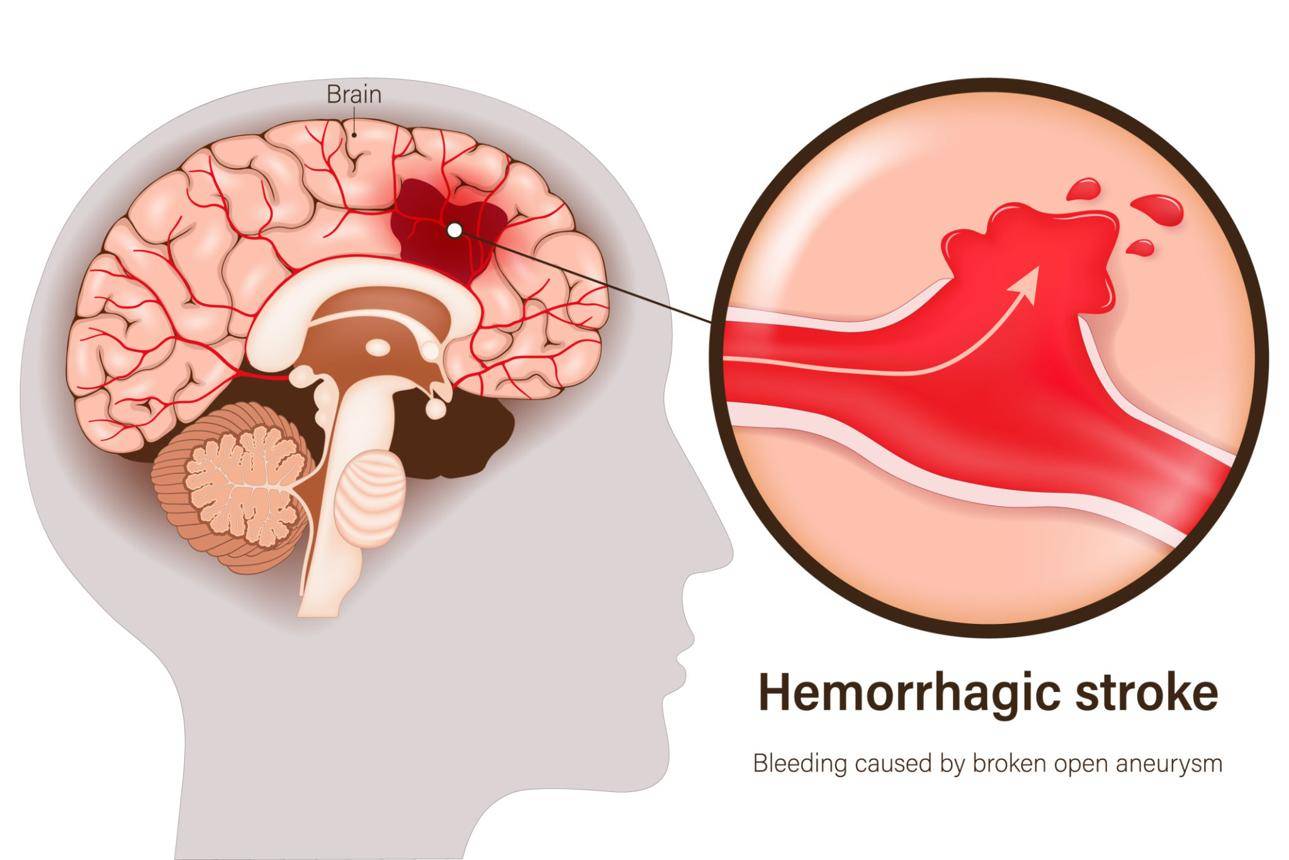
Hemorrhagic Stroke is a type of stroke that occurs when a blood vessel in the brain breaks and causes bleeding inside the brain or in the surrounding spaces. Unlike an ischemic stroke, which happens due to blockage of blood flow, a hemorrhagic stroke occurs due to bleeding.
The bleeding can damage brain cells, increase pressure inside the skull, and affect important functions such as movement, speech, vision, balance, and consciousness. Symptoms may develop suddenly and can become severe very quickly. Early recognition and emergency medical treatment are essential to help prevent further brain damage and improve the patient's chances of recovery.
What Is Hemorrhagic Stroke and What Are Its Symptoms?
A hemorrhagic stroke occurs when a blood vessel in the brain ruptures and blood leaks into brain tissue or the spaces surrounding the brain. This bleeding can damage brain cells and create pressure that interferes with normal brain function.
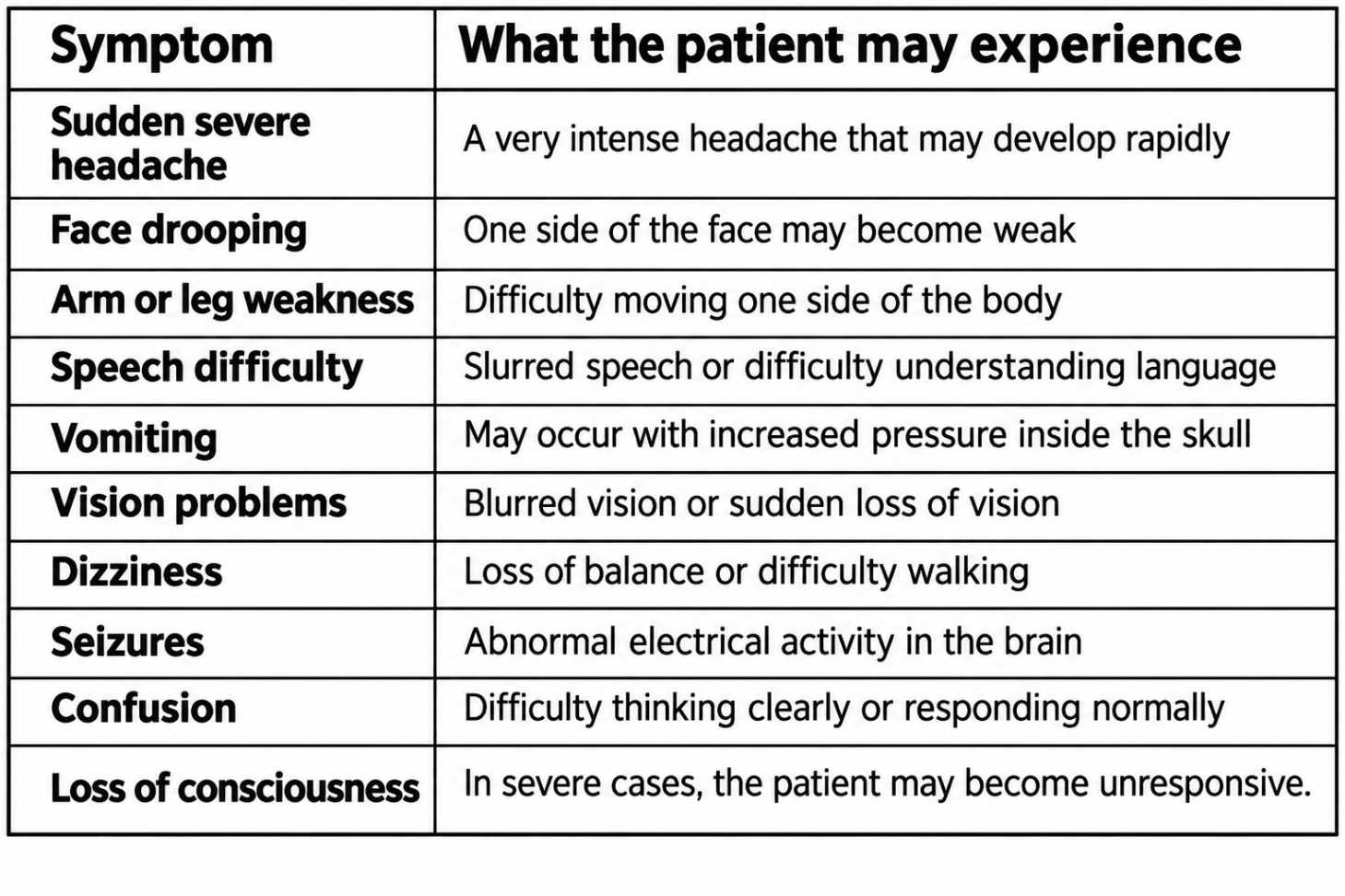
Depending on the location and severity of the bleeding, a patient may experience mild to severe neurological symptoms.
Common symptoms of hemorrhagic stroke
Remember the FAST stroke test
F – Face : Does one side of the face droop?
A – Arms : Can both arms be raised equally?
S – Speech : Is speech slurred or unusual?
T – Time : Get emergency medical help immediately.
A sudden severe headache, weakness, vomiting, seizure, or loss of consciousness can indicate a medical emergency. Do not delay hospital treatment.
What Causes Hemorrhagic Stroke and Who Is at Risk?
A hemorrhagic stroke occurs when a blood vessel becomes damaged and ruptures. The blood then leaks into the brain tissue or surrounding spaces.
Major causes of hemorrhagic stroke
- High blood pressure: Long-standing uncontrolled hypertension can weaken blood vessel walls.
- Brain aneurysm: A weakened area of a blood vessel may bulge and rupture.
- Arteriovenous malformation (AVM): An abnormal connection between blood vessels can rupture and cause bleeding.
- Head injury: Trauma can damage blood vessels in the brain.
- Blood vessel abnormalities: Certain conditions may increase the risk of bleeding.
- Blood-thinning medicines: In some circumstances, these may increase bleeding risk and severity.
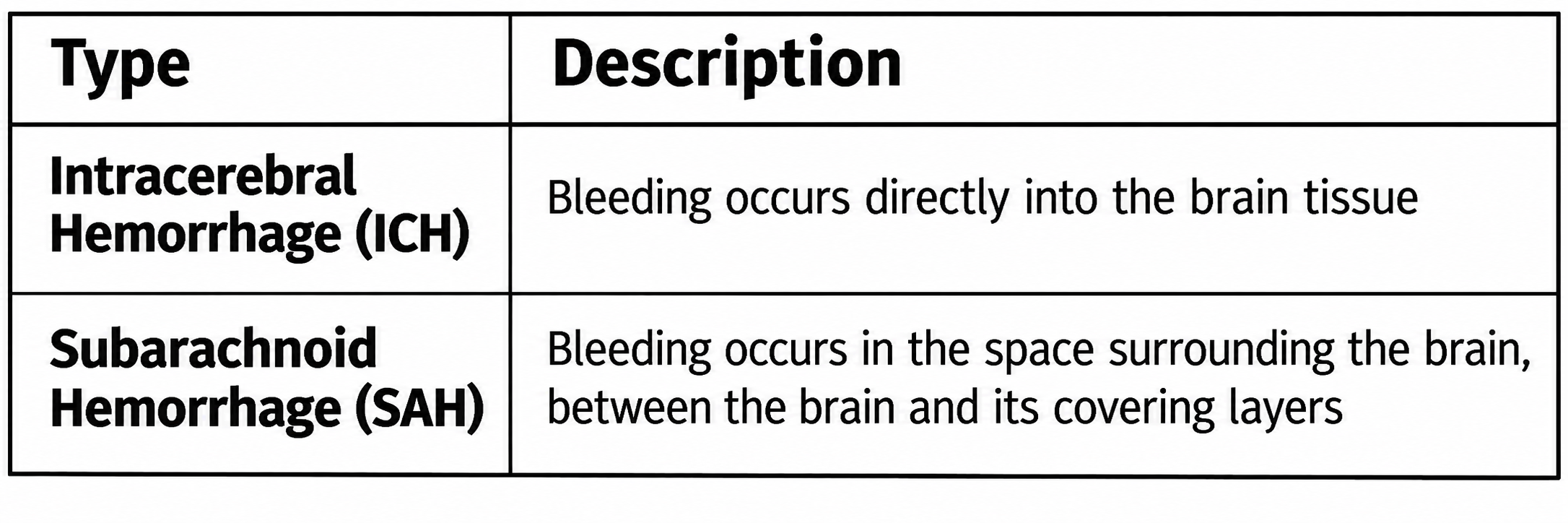
Types of hemorrhagic stroke
Risk factors
Some factors may increase the risk of hemorrhagic stroke:
- Uncontrolled high blood pressure
- Smoking
- Excessive alcohol consumption
- Certain blood vessel abnormalities
- Previous brain aneurysm
- Blood-thinning medications in certain circumstances
- Head trauma
- Increasing age
- Certain medical conditions affecting blood vessels
High blood pressure is one of the important risk factors that can be managed with regular monitoring, medical advice, and prescribed treatment.
How Is Hemorrhagic Stroke Diagnosed and Treated?
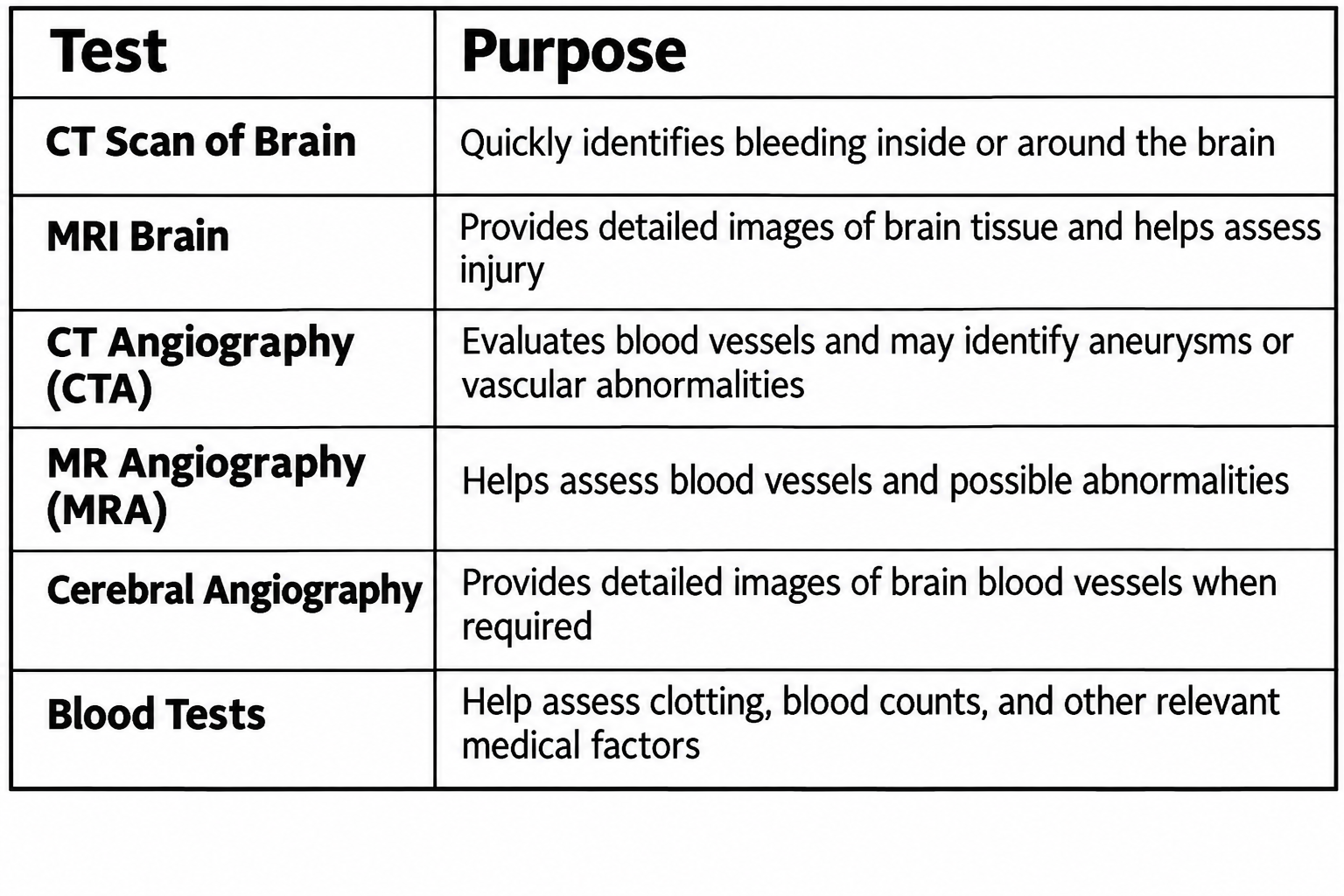
A hemorrhagic stroke requires immediate medical evaluation. Doctors need to identify the location of bleeding, its severity, and its cause before deciding on the most appropriate treatment.
Diagnostic tests
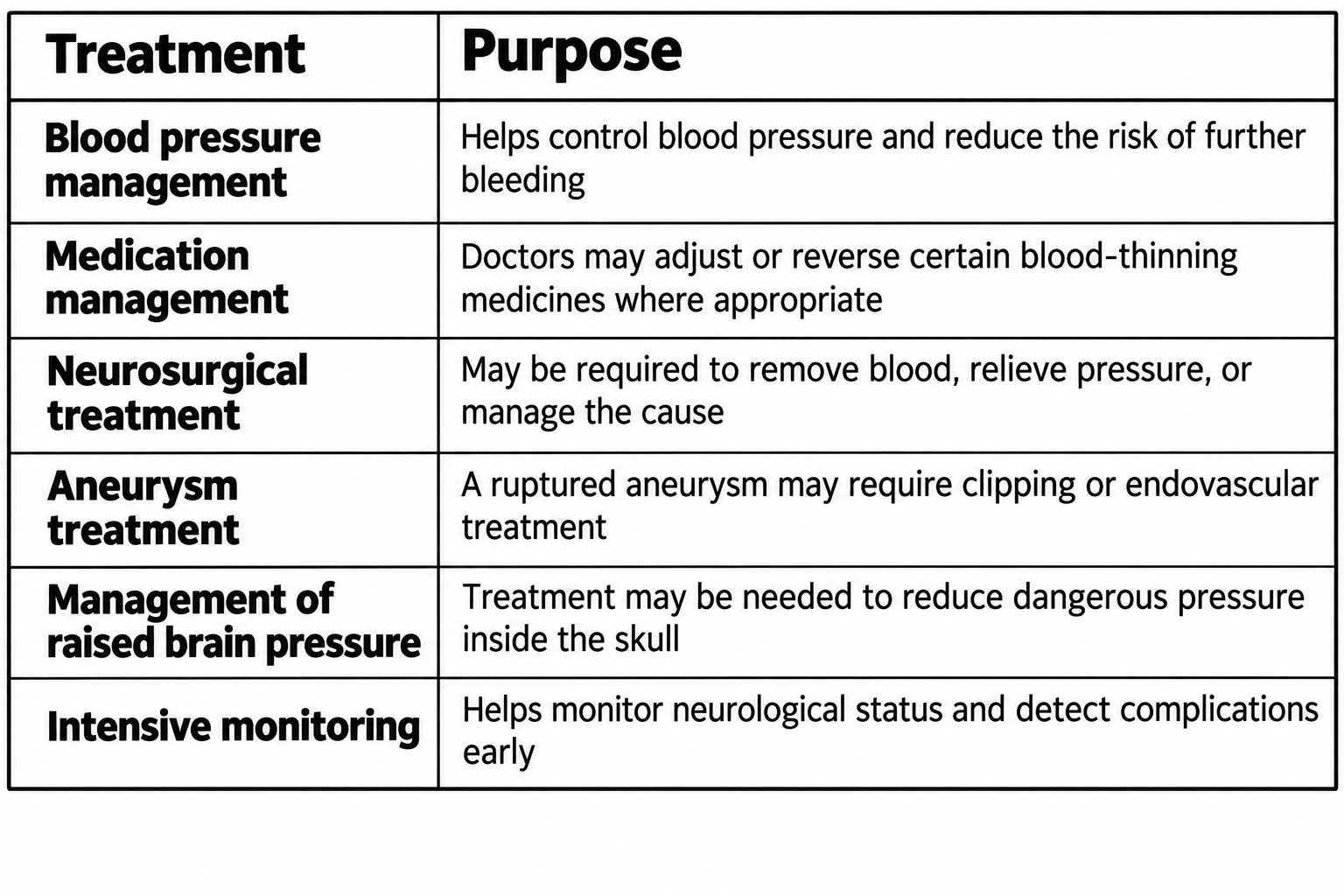
Treatment options for hemorrhagic stroke
Treatment depends on the location and amount of bleeding, the cause, pressure inside the skull, and the patient's overall condition.
When is surgery required?
Some patients with hemorrhagic stroke may require surgery depending on the size and location of the bleed, the pressure inside the brain, neurological deterioration, and the underlying cause.
Possible procedures may include:
- Evacuation of the blood clot in selected cases
- Surgery to relieve pressure inside the skull
- Treatment of a ruptured aneurysm
- Treatment of an abnormal blood vessel such as an AVM
Not every hemorrhagic stroke requires surgery. The decision is made by the neurosurgical team after clinical examination and brain imaging.
Hemorrhagic Stroke: Recovery, Complications & Prevention
Recovery after hemorrhagic stroke varies from patient to patient. Some patients may recover significant abilities, while others may need long-term care and rehabilitation.
The recovery process depends on the location of bleeding, the amount of brain damage, the patient's age and general health, complications, and how quickly treatment was started.
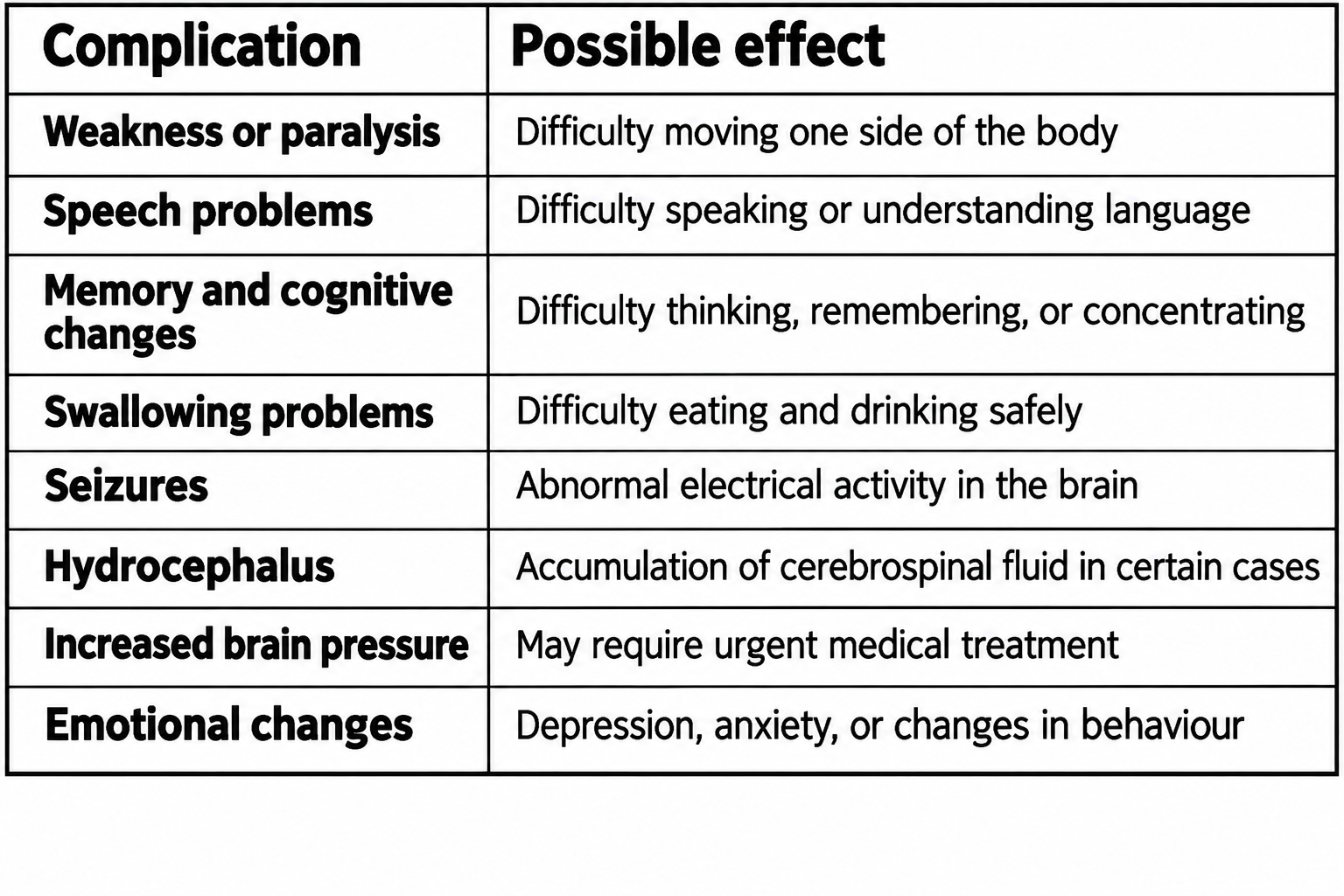
Possible complications after hemorrhagic stroke
Rehabilitation after hemorrhagic stroke
Rehabilitation may begin once the patient's medical condition is stable and the treating team considers it appropriate.
- Physiotherapy: Helps improve movement, strength, balance, and walking.
- Occupational therapy: Helps the patient regain independence in daily activities.
- Speech therapy: Supports communication and swallowing recovery.
- Cognitive rehabilitation: Helps with memory, attention, and thinking.
- Psychological support: Helps patients and families cope with emotional and behavioural changes.
How can hemorrhagic stroke risk be reduced?
Although not all hemorrhagic strokes can be prevented, some important steps may help reduce risk:
- Keep blood pressure under control.
- Take prescribed medicines regularly.
- Avoid smoking.
- Limit alcohol consumption.
- Follow a healthy lifestyle.
- Attend regular health check-ups.
- Discuss blood-thinning medicines with your doctor—never stop prescribed medication on your own.
- Seek medical advice if you have a known aneurysm or vascular abnormality.
Hemorrhagic Stroke Care at Global Neuro & Spine Care
A hemorrhagic stroke can be a life-changing event for patients and their families. The sudden nature of the condition often creates fear, confusion, and uncertainty about treatment and recovery.
Understanding the diagnosis, the location of bleeding, available treatment options, and the rehabilitation process can help patients and caregivers make informed decisions.
Global Neuro & Spine Care aims to help patients connect with neurological specialists and understand their care journey.
Patients and families may seek guidance regarding:
- Understanding brain CT or MRI reports
- Neurosurgical consultation
- Understanding hemorrhagic stroke treatment
- Surgery and procedure-related discussions
- Recovery and rehabilitation guidance
- Post-stroke complications
- Specialist consultation and second opinions
Conclusion
Hemorrhagic stroke occurs when a blood vessel in or around the brain ruptures, causing bleeding and damage to brain tissue. It can lead to sudden headache, weakness, speech difficulty, vomiting, seizures, or loss of consciousness.
Recognising symptoms early and seeking emergency medical care is critical. Treatment may involve medical management, neurosurgical procedures, intensive monitoring, and rehabilitation. Timely care and proper recovery support can help improve outcomes and quality of life.
Frequently Asked Questions (FAQs)
1. What is the main cause of hemorrhagic stroke?
Hemorrhagic stroke occurs when a blood vessel in or around the brain ruptures. Common causes include uncontrolled high blood pressure, brain aneurysms, abnormal blood vessels, and head injuries. The bleeding can damage brain tissue and increase pressure inside the skull.
2. Is hemorrhagic stroke more dangerous than ischemic stroke?
Hemorrhagic stroke is often associated with a higher risk of severe complications because bleeding can directly damage brain tissue and increase pressure inside the skull. However, both types of stroke are medical emergencies and can be life-threatening.
3. Can a hemorrhagic stroke patient recover completely?
Some patients recover significantly, while others may experience long-term weakness, speech difficulties, memory problems, or disability. Recovery depends on the severity and location of the bleeding, treatment, complications, and rehabilitation.
4. Does hemorrhagic stroke always require surgery?
No. Some patients can be managed with medicines, close monitoring, and intensive medical care. Surgery may be required in selected patients to remove blood, relieve pressure, or treat the underlying cause of bleeding.
5. What is the difference between hemorrhagic stroke and ischemic stroke?
An ischemic stroke occurs when a blood vessel supplying the brain is blocked, usually by a blood clot. A hemorrhagic stroke occurs when a blood vessel ruptures and causes bleeding in or around the brain. The treatments are different, which is why immediate brain imaging is essential.