Overrview
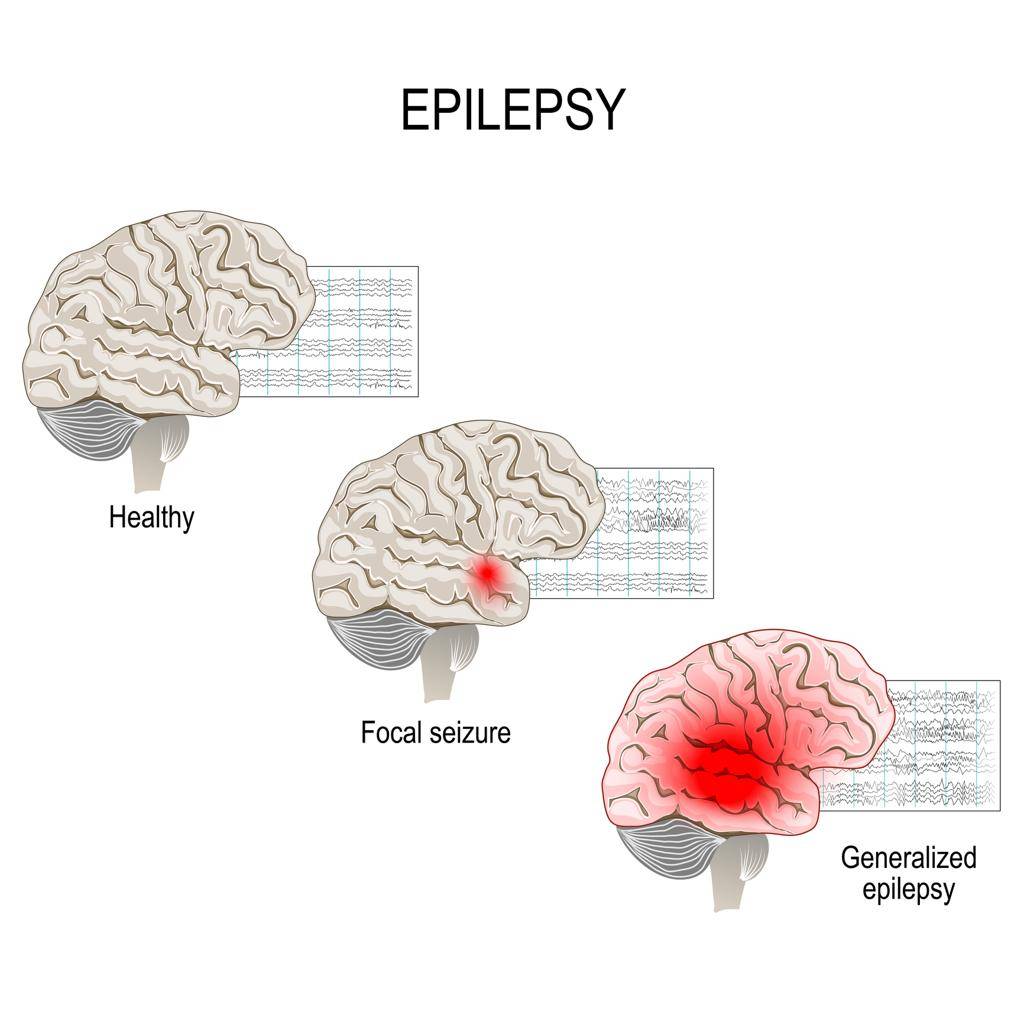
Epilepsy is a neurological condition that affects the brain and causes a tendency to experience recurrent seizures. A seizure occurs when abnormal electrical activity in the brain temporarily disrupts its normal functioning. Depending on the affected area of the brain, a person may experience involuntary movements, staring episodes, confusion, loss of awareness, unusual sensations, or convulsions. Epilepsy can affect people of all ages and may have different causes. With an accurate diagnosis and appropriate treatment, many people with epilepsy can manage their seizures and lead active, fulfilling lives.
What Is Epilepsy and What Are Its Symptoms ?
Epilepsy is a brain disorder characterized by a tendency to experience recurrent seizures that are not caused by an immediate temporary trigger. During a seizure, groups of brain cells send abnormal electrical signals, temporarily affecting the way the brain functions.
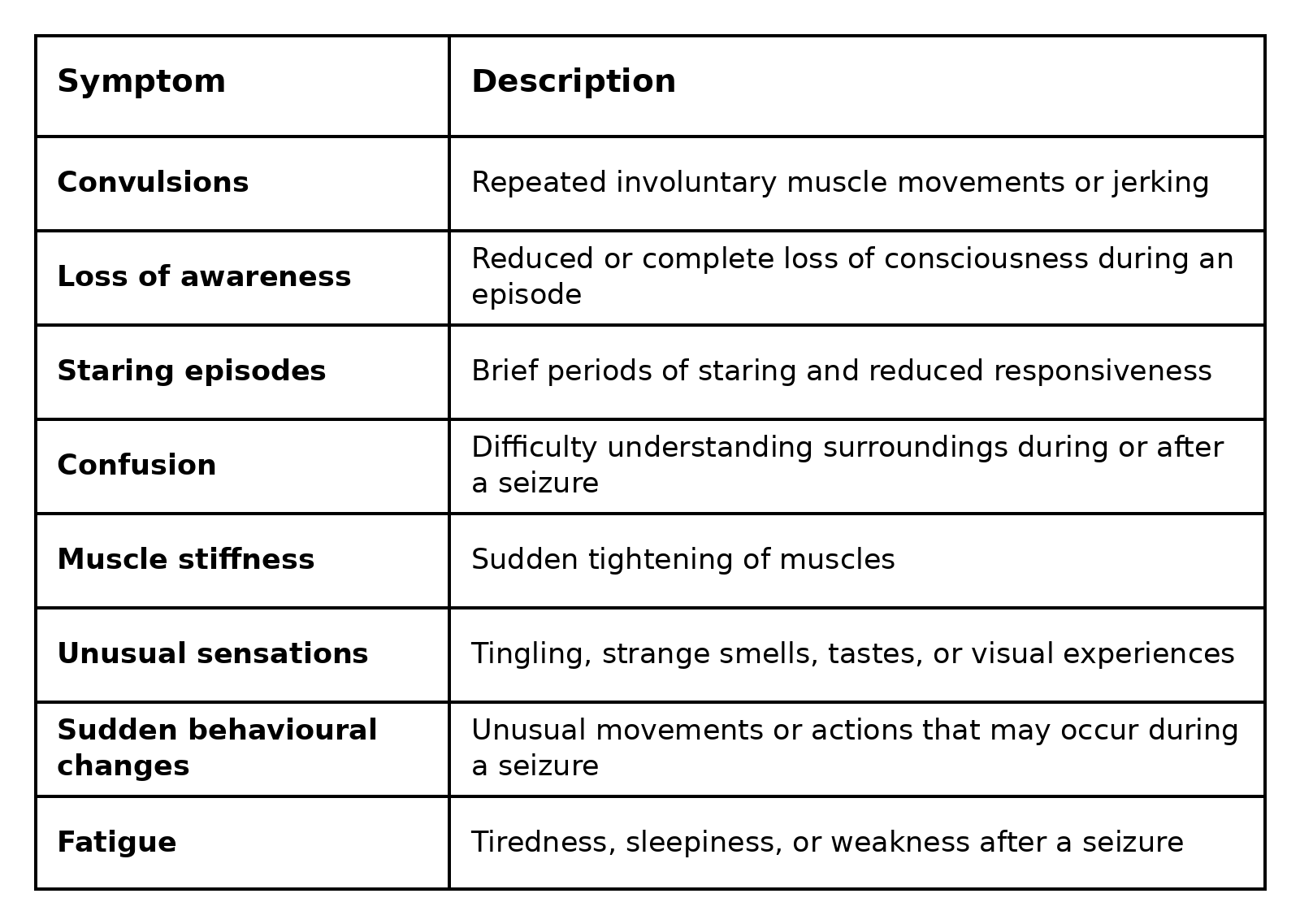
Seizures can look very different from one person to another. Some people experience convulsions and lose consciousness, while others may have brief episodes of staring, confusion, unusual sensations, or changes in behaviour.
Common symptoms of epilepsy
Types of seizures
Seizures are broadly classified according to where they begin in the brain.
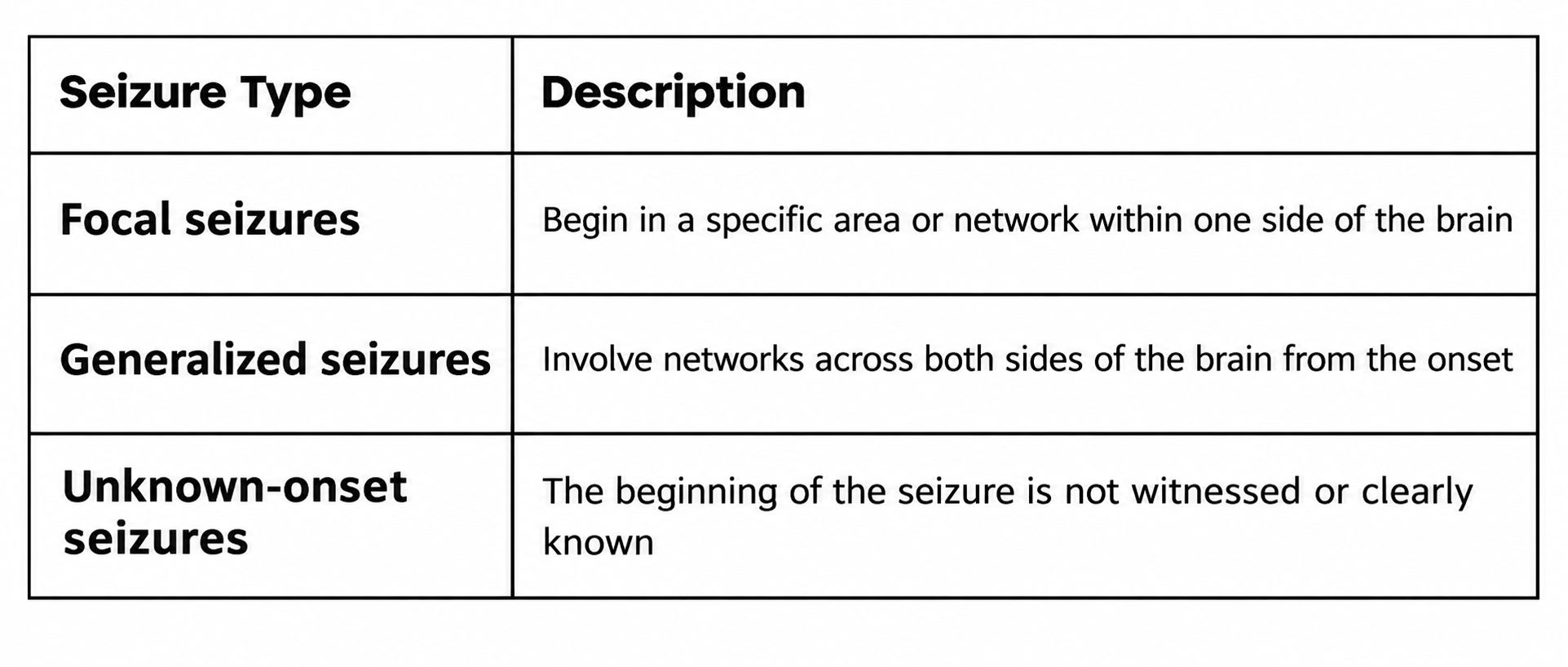
Some seizures involve loss of awareness, while others may occur with the person remaining conscious. The symptoms depend on which parts of the brain are involved.
What Causes Epilepsy and Who Is at Risk?
Epilepsy can develop when the normal electrical activity of the brain is disturbed. In some people, the cause can be identified, while in others, the reason for developing epilepsy remains unknown.
Common causes of epilepsy
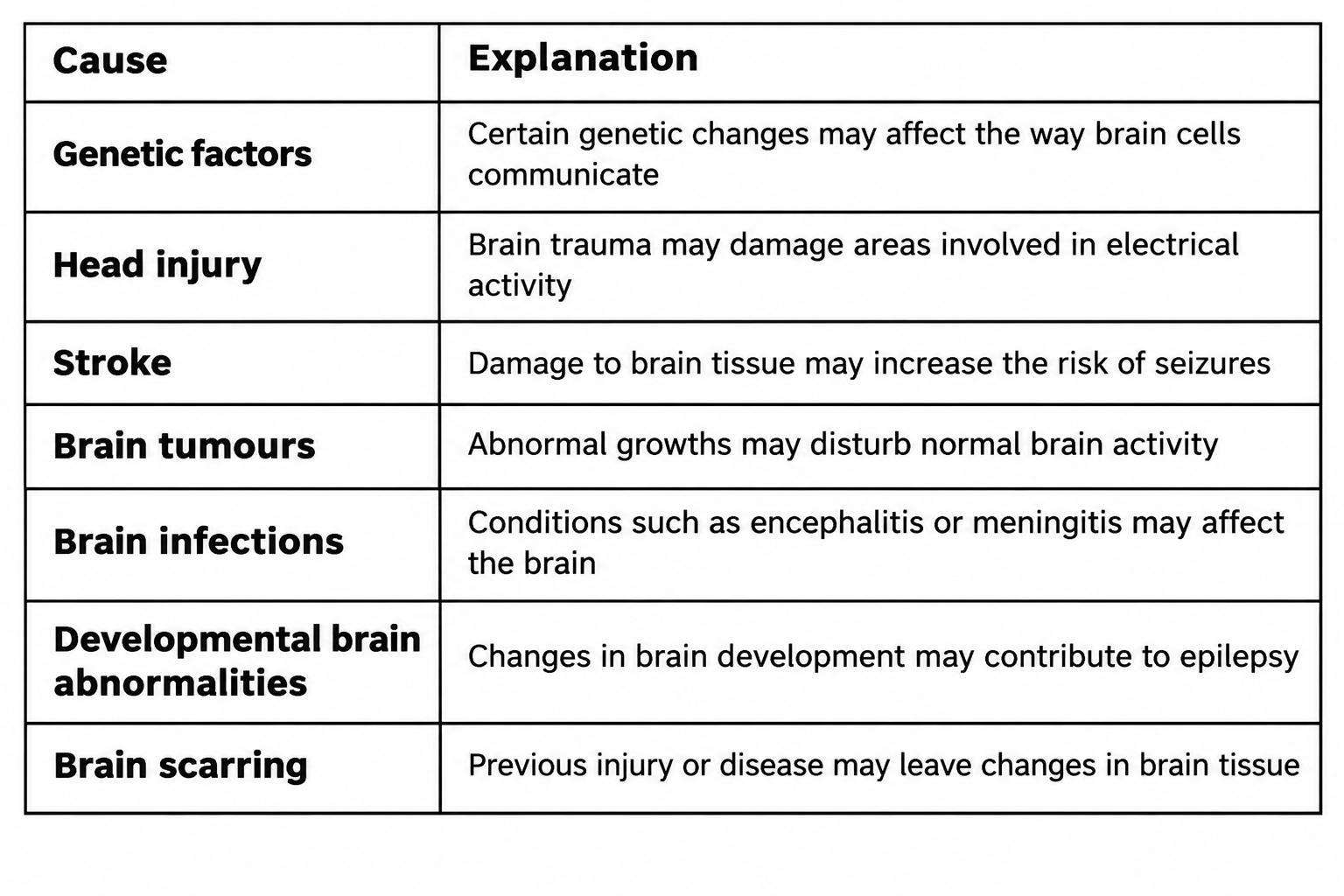
In some patients, no specific cause is identified despite detailed investigations.
Factors that may trigger seizures
Certain factors may trigger a seizure in people who already have epilepsy. These triggers do not necessarily cause epilepsy itself.
- Lack of adequate sleep
- Excessive stress
- Missing prescribed anti-seizure medication
- Dehydration
- Skipping meals
- Alcohol consumption or withdrawal
- Flashing lights in people who are sensitive to them
- Hormonal changes in some individuals
Identifying personal seizure triggers and maintaining a consistent daily routine may help some patients reduce the likelihood of seizures.
How Is Epilepsy Diagnosed and Treated?
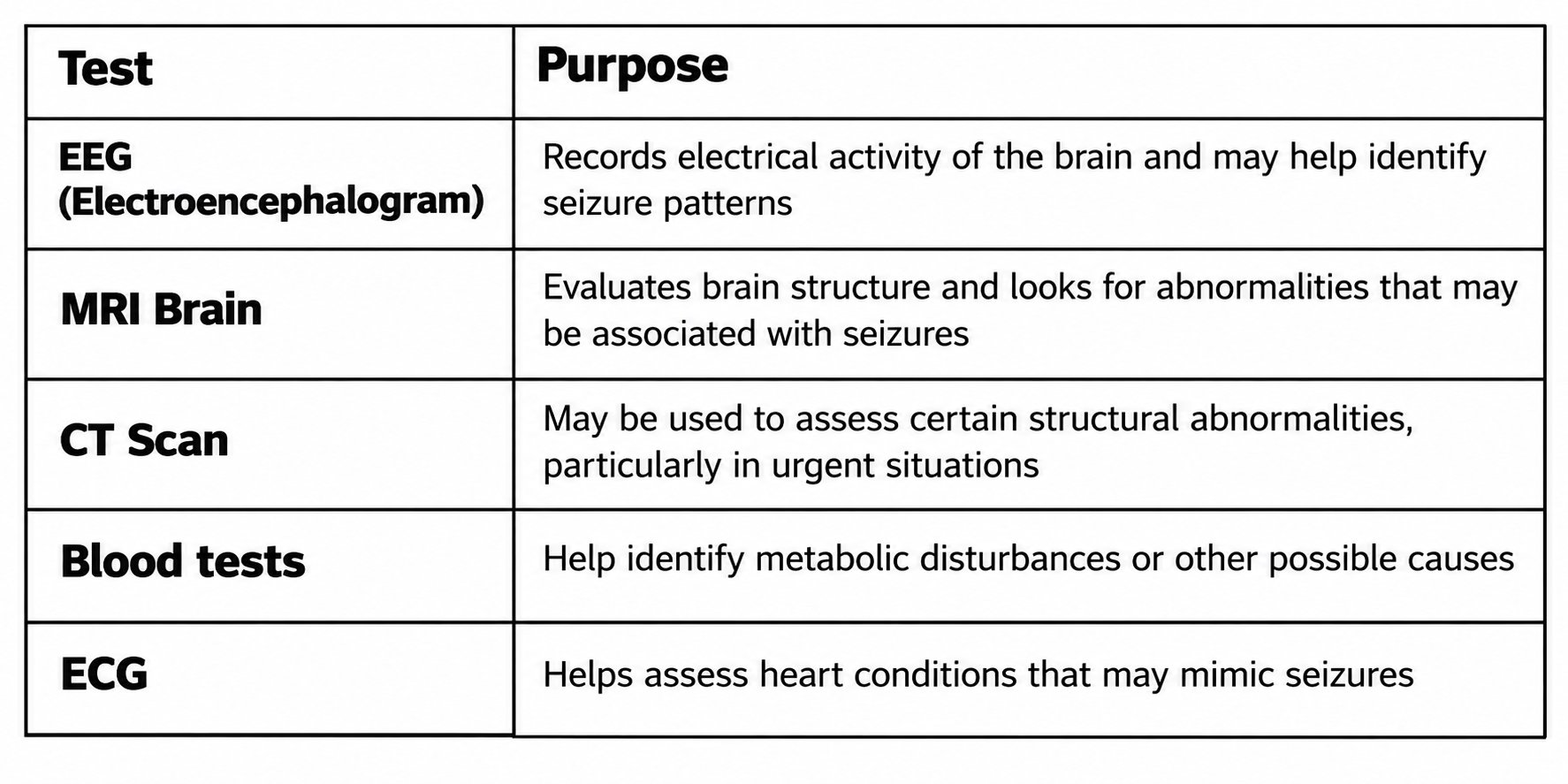
Epilepsy diagnosis involves understanding what happened before, during, and after a seizure. A doctor may ask the patient and eyewitnesses about the episode, including its duration, movements, loss of awareness, and recovery.
A single seizure does not always mean that a person has epilepsy. Diagnosis depends on the clinical history, examination, and risk of future seizures.
Diagnostic tests for epilepsy
Treatment options for epilepsy
The goal of epilepsy treatment is to control seizures, reduce their frequency, improve safety, and help patients maintain their quality of life.
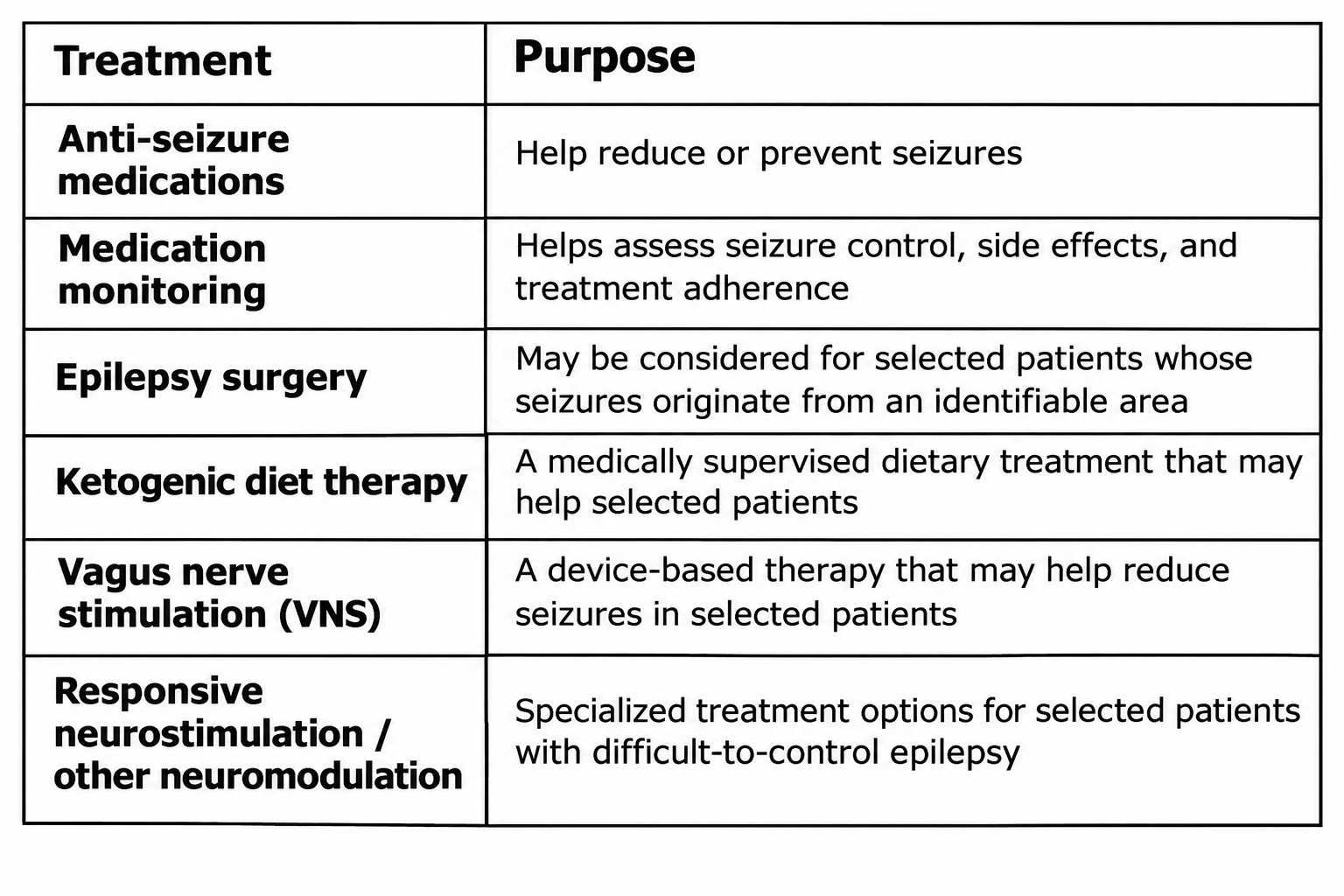
Many patients achieve good seizure control with appropriate medication. Treatment must be selected according to the seizure type, epilepsy syndrome, age, health, and individual circumstances.
Anti-seizure medication should not be stopped or changed without medical advice. Suddenly stopping medication may increase the risk of seizures.
Epilepsy – Daily Care, Safety & Seizure First Aid
Living with epilepsy requires proper treatment, awareness, and safety precautions. Many people with epilepsy can study, work, travel, exercise, and participate in everyday activities with appropriate seizure management.
Daily care tips for people with epilepsy
- Take medication regularly: Never skip doses or stop treatment without consulting your doctor.
- Maintain a sleep routine: Lack of sleep may trigger seizures in some individuals.
- Manage stress: Relaxation, regular routines, and stress-management techniques may help.
- Stay hydrated: Maintain adequate fluid intake and avoid dehydration.
- Identify your triggers: Keep a seizure diary to record possible triggers, duration, and recovery.
- Follow safety precautions: Take extra care around water, heights, fire, and machinery.
- Attend regular follow-ups: Review seizure control, medication side effects, and any changes in symptoms with your neurologist.
What should you do when someone has a seizure?
Seizure First Aid
DO
- Stay calm and stay with the person.
- Move dangerous objects away.
- Protect the head with something soft.
- Loosen tight clothing around the neck.
- Note the time the seizure starts and ends.
- When convulsions stop, turn the person gently onto their side if possible.
- Stay with them until they become alert and recover.
DON'T
- Do not restrain their movements.
- Do not put fingers, spoons, water, food, or medicine inside their mouth during the seizure.
- Do not attempt to force the mouth open.
- Do not make them stand or walk immediately after the seizure.
Call emergency services immediately if the seizure lasts 5 minutes or longer, another seizure starts before the person recovers, it is their first seizure, they have difficulty breathing or recovering, or they are seriously injured.
Epilepsy Treatment at Global Neuro & Spine Care
Epilepsy is a neurological condition that requires accurate diagnosis, identification of seizure type, and an individualized treatment approach. Seizures can present in different ways and may sometimes be mistaken for other medical conditions.
At Global Neuro & Spine Care, patients can seek guidance regarding epilepsy, seizure disorders, brain-related conditions, and neurological evaluation.
Early assessment and appropriate treatment can help patients understand their condition, manage seizures, and improve their quality of life.
Conclusion
Epilepsy is a neurological condition characterized by a tendency to experience recurrent seizures due to abnormal electrical activity in the brain. Symptoms may include convulsions, loss of awareness, unusual sensations, confusion, or involuntary movements. Although epilepsy can affect daily life, many patients achieve good seizure control with appropriate treatment. Early diagnosis, regular medication, adequate sleep, awareness of triggers, and proper seizure first aid are important for safer and healthier living.
Frequently Asked Questions (FAQs)
1. Is epilepsy a lifelong condition?
Epilepsy can be a long-term condition, but its course varies from person to person. Some individuals achieve long-term seizure control with medication, and certain types of epilepsy may improve or resolve with age. Treatment and follow-up should be individualized according to the seizure type and medical history.
2. Can epilepsy be cured?
Some types of epilepsy may eventually become inactive, while others require long-term management. Many patients can achieve good seizure control with medication. In selected patients who do not respond adequately to medication, specialized treatments such as epilepsy surgery or neurostimulation may be considered.
3. Does every seizure mean a person has epilepsy?
No. A seizure can occur due to several causes, including temporary metabolic disturbances, fever in children, or other medical conditions. Epilepsy is diagnosed based on clinical assessment, seizure history, and the risk of recurrent seizures—not simply because a person has experienced one seizure.
4. Can a person with epilepsy live a normal life?
Many people with epilepsy can lead active, productive lives. With proper treatment, seizure management, adequate sleep, safety precautions, and regular medical follow-up, patients may be able to study, work, exercise, and participate in many daily activities.
5. Is epilepsy dangerous?
Epilepsy can often be managed successfully, but certain seizures can cause injuries or medical emergencies. Prolonged seizures or repeated seizures without recovery require emergency treatment. Appropriate medication, awareness, safety precautions, and medical supervision are important.