
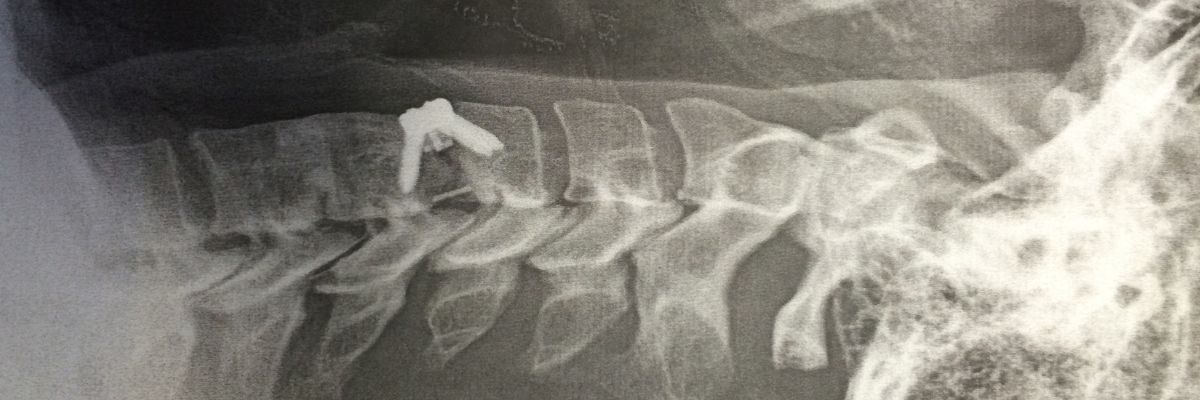
What is Cervical Stabilization Surgery?
Cervical stabilization means making the neck bones (called cervical vertebrae) stronger and more stable using medical techniques.
This is usually needed when:
- There’s injury or trauma to the neck
- You have a slipped or herniated disc
- Your neck bones are unstable due to age or damage
- You are facing numbness or weakness in your arms or hands
The main goal of this surgery is to reduce pain and stop further damage to the spinal cord or nerves.
Types of Cervical Stabilization Surgeries
Here are some common ways doctors do this surgery:
1. Cervical Spinal Fusion
This involves joining two or more bones in your neck to stop painful movement and make it stronger. It’s helpful when a part of your neck moves too much or is injured.
2. ACDF (Anterior Cervical Discectomy and Fusion)
In this method:
- A damaged disc is removed from the front of your neck
- The empty space is filled and fused using bone grafts and metal plates
- It relieves nerve pressure and stabilizes your neck
3. Posterior Cervical Decompression & Fusion (Laminectomy)
This is done from the back of your neck to remove parts of bone pressing on the spinal cord.
It may be combined with fusion to keep the spine stable.
When is Surgery Needed?
Your doctor may suggest cervical stabilization surgery when:
- You have chronic neck pain that doesn’t improve with medicine or therapy
- There is numbness or tingling in the arms
- You feel muscle weakness or coordination issues
- Tests (like MRI or CT) show nerve compression or spine damage
How is the Surgery Done?
Here’s a step-by-step overview of the surgery:
- You’ll be given general anesthesia (you’ll sleep during surgery)
- A small cut is made on the front or back of your neck
- The doctor removes the damaged disc or bone pressing on the nerve
- Plates, screws, cages, or bone grafts are placed to make the spine stable
- The area is closed with stitches, and a small drain may be used
- The whole surgery usually takes 2–4 hours, depending on your condition
Recovery After Surgery
Most patients:
- Walk a few hours after surgery
- Stay in the hospital for 1 to 2 days
- Have their drain removed the next day
- Need to rest at home for 4–6 weeks
- Can return to office work after 1 month
- Have stitches removed after 2 weeks, during a follow-up visit
What to Avoid After Surgery
To heal well, avoid:
- Lifting heavy objects
- Driving for the first 2 weeks
- Sleeping without neck support
- Using your phone or laptop for too long
- Skipping physiotherapy
Life After Cervical Stabilization
Most patients feel much better after recovery:
- Less pain in the neck and arms
- Better movement and strength
- Improved quality of life
With proper care and rest, you can return to normal activities in a few months.
Talk to Your Doctor
Every case is different. The type of surgery and recovery time depends on:
- Your age
- Your condition and symptoms
- Your overall health
If you have questions, our doctors are always ready to help you understand your condition and the best treatment.