Overview
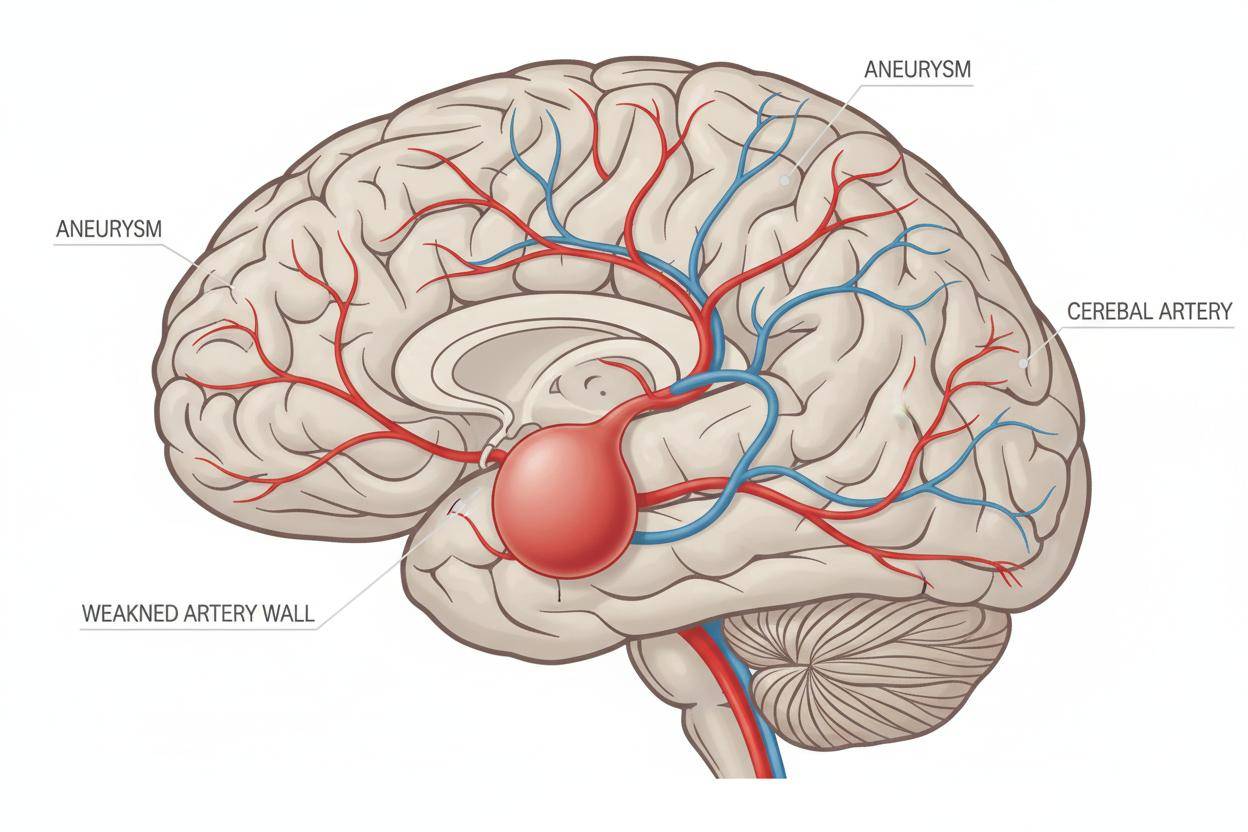
Aneurysm is a condition in which a weak area of a blood vessel wall bulges outward, forming a balloon-like swelling. When this happens in an artery of the brain, it is known as a brain or cerebral aneurysm. A brain aneurysm may remain small and cause no symptoms, but if it grows, presses on nearby structures, or ruptures, it can become a serious medical emergency.
Many brain aneurysms are discovered accidentally during imaging tests. However, understanding the symptoms, causes, risk factors, and available treatment options can help patients and families recognise warning signs and seek timely medical attention.
What Is a Brain Aneurysm and What Are Its Symptoms?
A brain aneurysm develops when a weak portion of an artery wall becomes enlarged due to pressure from blood flowing through it. The aneurysm may look like a small balloon or pouch attached to a blood vessel.
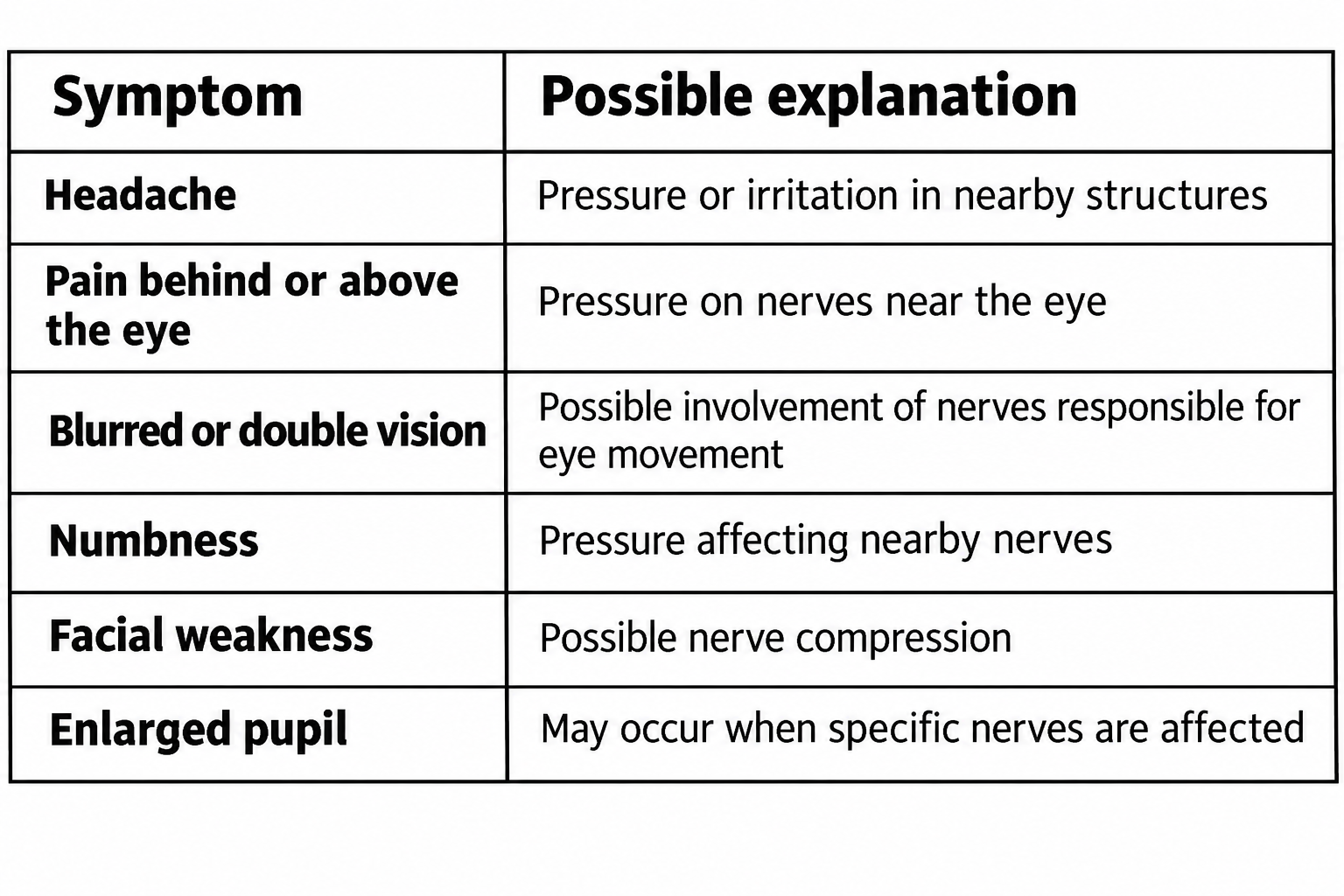
Small aneurysms may not cause any symptoms. However, larger aneurysms can press against nerves or brain tissue, potentially causing neurological symptoms.
Common symptoms of an unruptured brain aneurysm
Symptoms of a ruptured brain aneurysm
When a brain aneurysm ruptures, bleeding occurs in or around the brain. This can cause a sudden, extremely severe headache, often described as the worst headache of one's life.
Other symptoms may include:
- Sudden severe headache
- Nausea and vomiting
- Neck stiffness
- Sensitivity to light
- Seizures
- Confusion
- Loss of consciousness
- Sudden weakness or neurological changes
A sudden, severe headache—especially with vomiting, neck stiffness, seizures, or loss of consciousness—requires immediate emergency medical attention.
What Causes a Brain Aneurysm and Who Is at Risk?
A brain aneurysm develops when the wall of an artery becomes weak. The exact cause may not always be known. Some people may have an inherited tendency toward weaker blood vessel walls, while certain health conditions and lifestyle factors may increase the risk.
Possible risk factors
- High blood pressure
- Smoking
- Family history of brain aneurysm
- Certain inherited blood vessel or connective tissue disorders
- Increasing age
- Some conditions affecting blood vessels
A brain aneurysm does not necessarily mean that it will rupture. Its risk depends on several factors, including its size, location, shape, growth, medical history, and other characteristics assessed by the treating specialist.
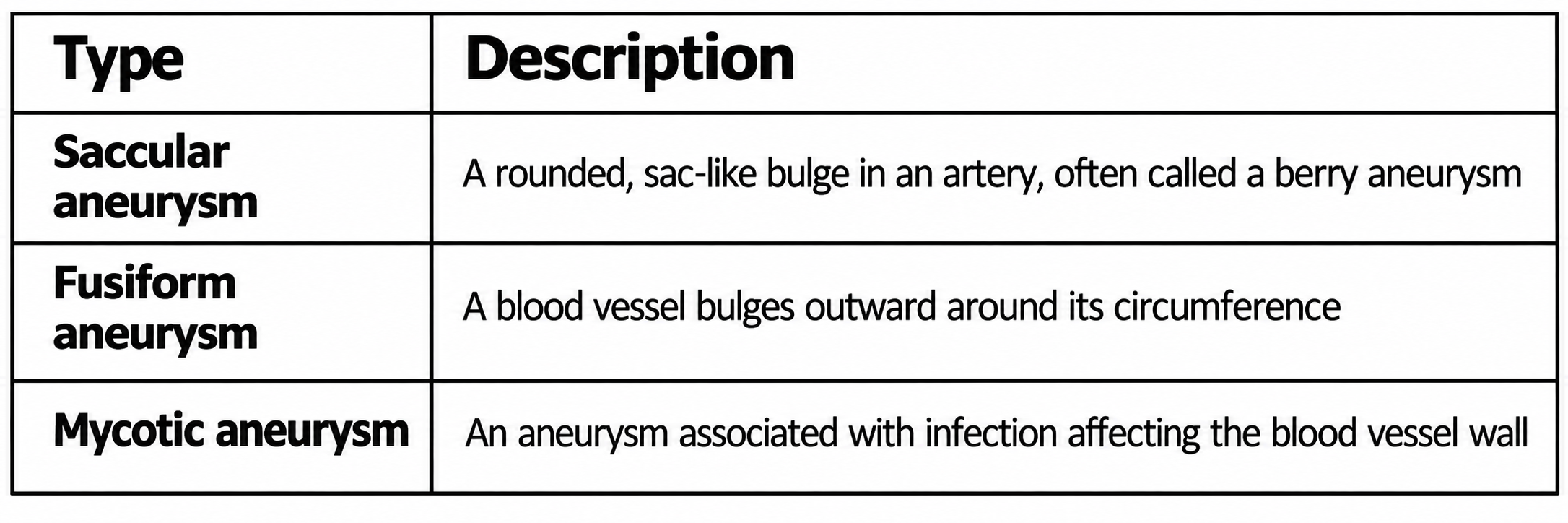
Types of brain aneurysms
How Is a Brain Aneurysm Diagnosed and Treated?
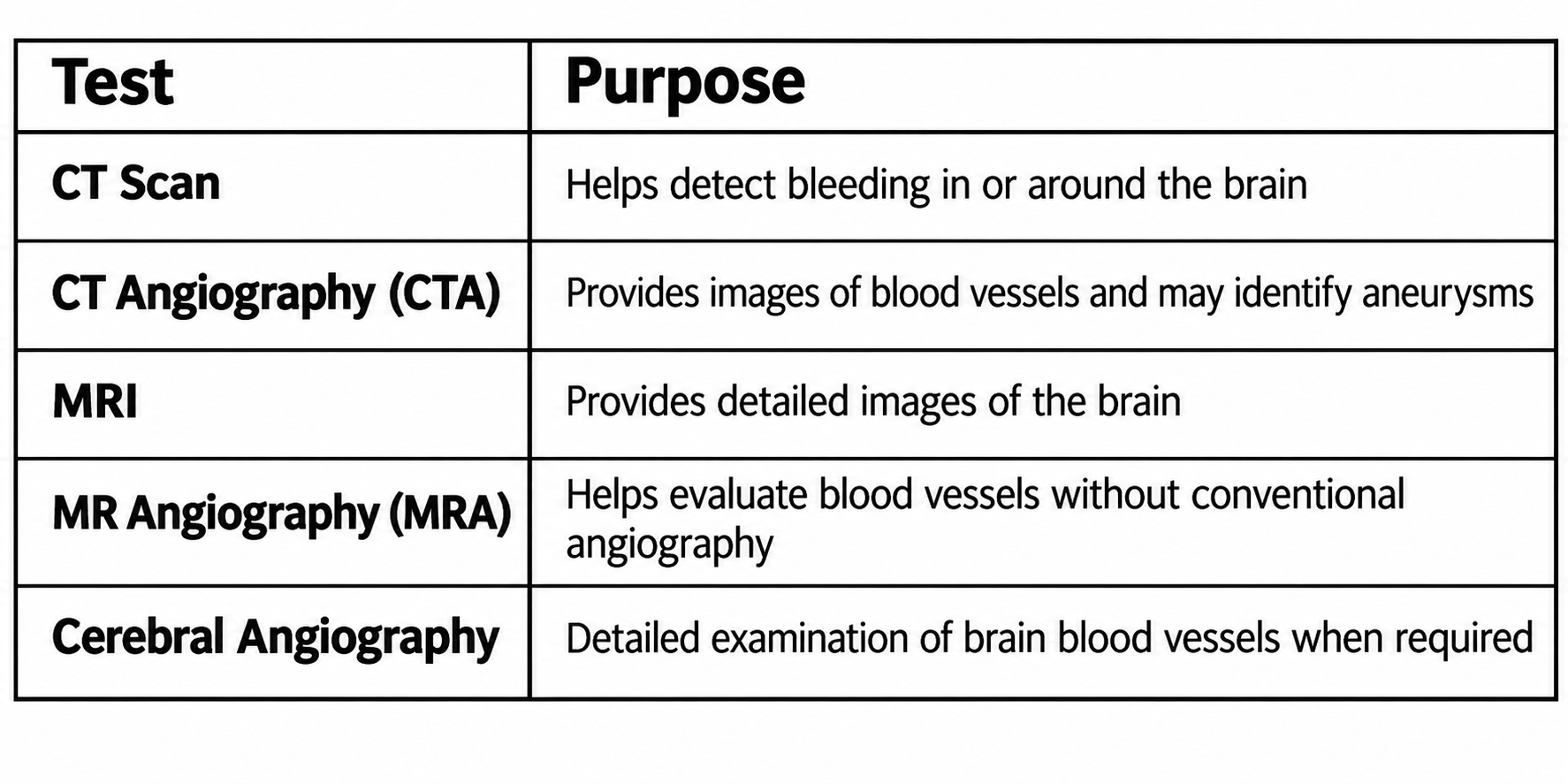
Brain aneurysms are diagnosed using medical evaluation and imaging tests. If a doctor suspects an aneurysm, imaging helps identify its location, size, shape, and whether there are signs of bleeding.
Common Diagnostic Tests
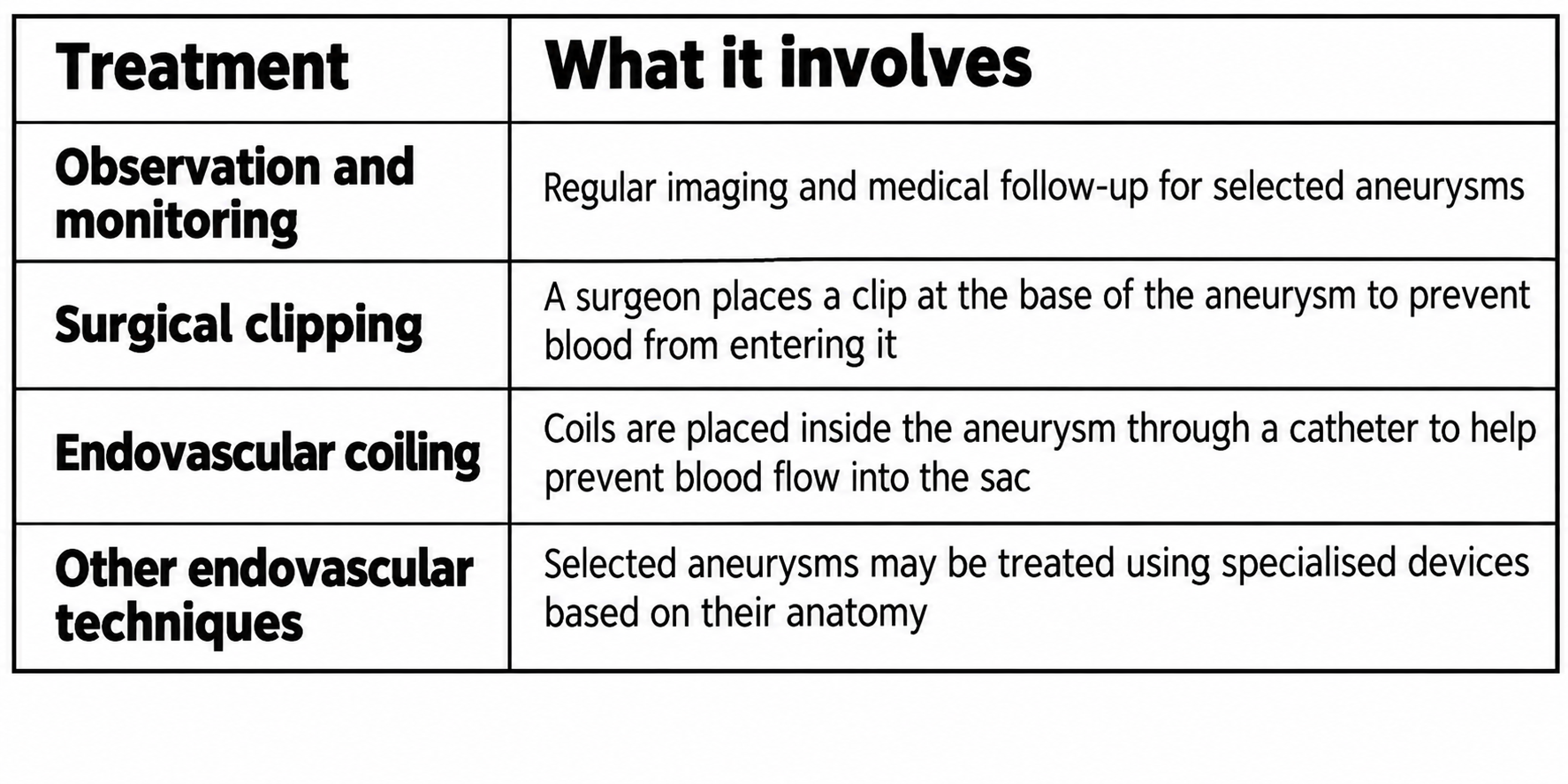
Treatment options for brain aneurysms
Treatment depends on whether the aneurysm has ruptured, its size and location, the patient's overall health, and the estimated risk of rupture.
A ruptured brain aneurysm generally requires emergency hospital treatment. Treatment may involve securing the aneurysm, managing bleeding, controlling pressure inside the brain, and treating complications. The treatment approach is decided by the neurosurgical and neurovascular team.
Brain Aneurysm: Warning Signs, Complications & Prevention
A brain aneurysm may not always produce noticeable symptoms before it ruptures. Therefore, recognising warning signs is important.
When should you seek immediate medical attention?
Seek emergency care if you experience:
- A sudden, extremely severe headache
- A severe headache with repeated vomiting
- Sudden loss of consciousness
- Seizures
- Sudden weakness or numbness
- Difficulty speaking
- Sudden vision problems
- Severe headache with neck stiffness
Possible complications of a ruptured aneurysm
A ruptured aneurysm may lead to:
- Hemorrhagic stroke
- Brain injury
- Rebleeding
- Hydrocephalus
- Seizures
- Blood vessel narrowing and reduced blood supply to the brain
- Long-term neurological disability
How can you reduce your risk?
Although not all brain aneurysms can be prevented, certain health practices may help reduce the risk of vascular problems:
- Keep blood pressure under control.
- Avoid smoking.
- Follow a healthy lifestyle.
- Take prescribed medications as directed.
- Seek medical advice if you have a strong family history of brain aneurysm.
- Do not ignore sudden or unusual severe headaches.
Brain Aneurysm Care at Global Neuro & Spine Care
A brain aneurysm can be frightening for patients and families, especially when it is discovered unexpectedly during a scan. Understanding the diagnosis and discussing the available treatment options with an experienced specialist can help patients make informed decisions.
Global Neuro & Spine Care aims to help patients connect with neurological specialists, understand their condition, and explore appropriate care pathways.
Patients can seek guidance regarding:
- Understanding brain aneurysm reports
- Neurosurgical consultation
- Treatment options and second opinions
- Understanding surgical and endovascular procedures
- Follow-up and recovery guidance
Conclusion
A brain aneurysm is an abnormal bulging of a blood vessel in the brain that may remain unnoticed or cause serious complications if it ruptures. Recognising symptoms, understanding risk factors, and seeking timely medical evaluation are important steps in managing this condition.
While some aneurysms may require monitoring, others may need surgical or endovascular treatment. If a brain aneurysm is suspected or diagnosed, consulting a qualified specialist can help determine the most appropriate course of care.
Frequently Asked Questions (FAQs)
1. Is a brain aneurysm dangerous?
A brain aneurysm can be dangerous, particularly if it ruptures. A ruptured aneurysm may cause bleeding around the brain, stroke, brain injury, or life-threatening complications. However, some unruptured aneurysms may remain stable and may be monitored by doctors depending on their size and characteristics.
2. What is the first warning sign of a brain aneurysm?
Many unruptured brain aneurysms do not cause symptoms. When an aneurysm ruptures, the most common warning sign is a sudden, extremely severe headache. It may occur with vomiting, neck stiffness, vision problems, seizures, or loss of consciousness.
3. Can a brain aneurysm be treated without surgery?
Some brain aneurysms may be managed through regular monitoring, controlling blood pressure, and reducing risk factors. Others may require surgical clipping or endovascular treatment. The decision depends on the aneurysm's characteristics and the patient's medical condition.
4. Can a brain aneurysm cause death?
Yes. A ruptured brain aneurysm can cause severe bleeding and life-threatening complications. Immediate emergency treatment is essential when rupture is suspected.
5. How is a brain aneurysm detected?
Brain aneurysms may be detected through CT angiography, MR angiography, MRI, or cerebral angiography. These tests help doctors assess the aneurysm and decide whether monitoring or treatment is required.