What Is the Role of Calcium Supplements in Spine Health?
Calcium is commonly associated with strong bones and teeth, but it also plays an important role in maintaining the strength of the spine.
Overview
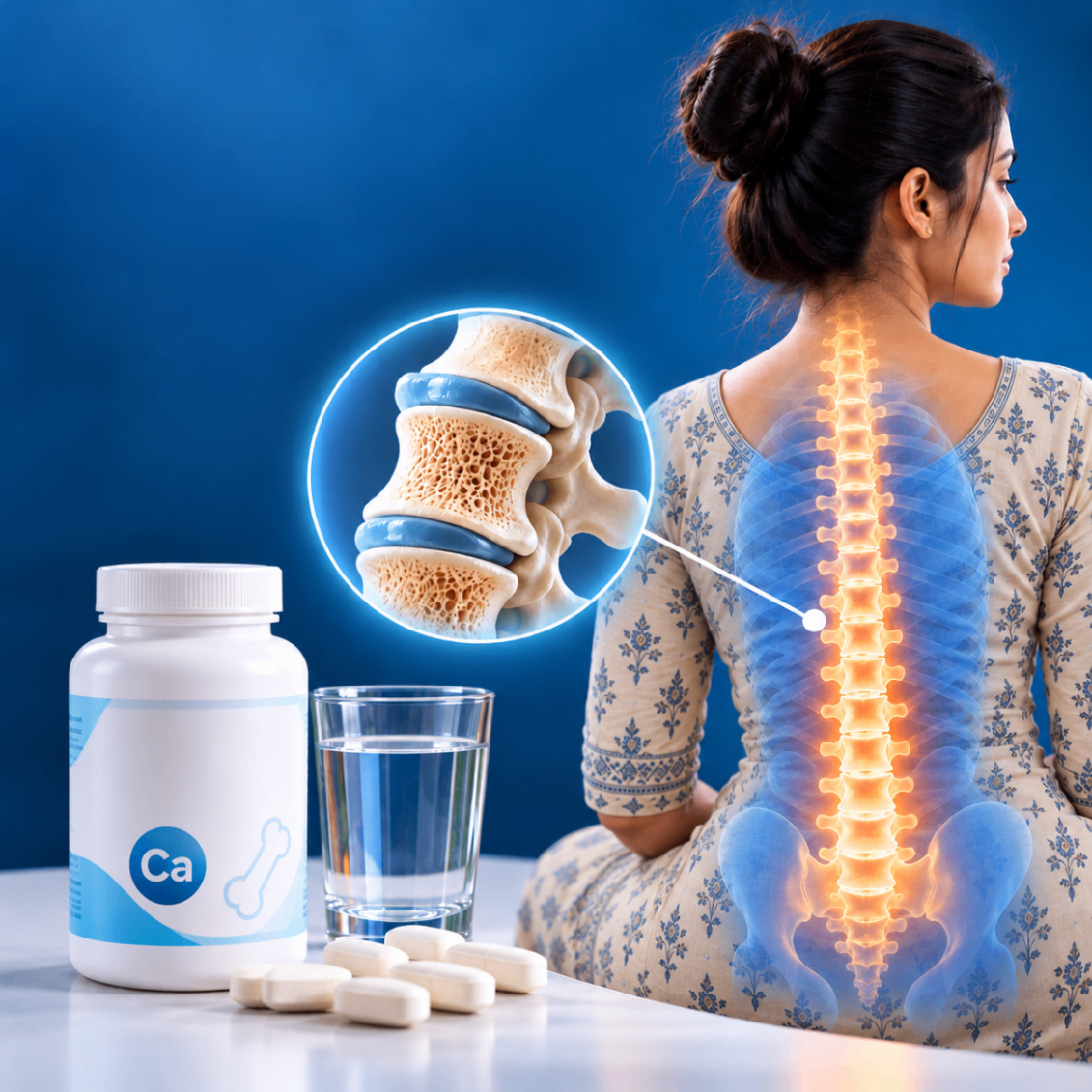
Calcium is commonly associated with strong bones and teeth, but it also plays an important role in maintaining the strength of the spine. The spinal column is made up of vertebrae—small bones that protect the spinal cord and support the weight of the body.
Adequate calcium intake throughout life helps maintain bone strength and may reduce the risk of osteoporosis. However, calcium supplements are not a treatment for every type of back pain, and taking calcium tablets without understanding the cause of pain may not provide any benefit.
Here is what patients should know about calcium supplements for spine health, calcium deficiency, vitamin D and the safe use of bone health supplements.
Why Is Calcium Important for the Spine?
Calcium is one of the principal minerals found in bones. Calcium salts, particularly calcium phosphate, provide bones with strength and hardness. When the body does not receive enough calcium through food, it may take calcium from the bones to maintain essential functions involving the muscles, nerves and heart. Over time, this can contribute to reduced bone strength and osteoporosis. (NIAMS)
For the spine, adequate calcium intake may help:
- Maintain the bone density of the vertebrae.
- Support healthy bone formation during childhood and adolescence.
- Reduce bone loss associated with ageing.
- Support osteoporosis prevention and treatment plans.
- Reduce the risk of vertebral compression fractures in people with weak bones.
FSSAI recognises that adequate calcium—or calcium combined with vitamin D—consumed throughout life as part of a balanced diet is important for bone health and reducing osteoporosis risk. (FSSAI)
Can Calcium Deficiency Cause Back Pain?
People frequently search for “calcium deficiency and back pain”, but the relationship is not always straightforward.
Long-term inadequate calcium intake may contribute to low bone mineral density, osteoporosis or osteomalacia. These conditions can make the vertebrae weaker and increase the risk of pain or spinal fractures. Severe hypocalcaemia may also cause tingling, numbness, muscle cramps or spasms. (Office of Dietary Supplements)
However, most episodes of back pain are not caused by calcium deficiency alone. Back pain may also arise from:
- Poor posture or prolonged sitting.
- Muscle strain.
- Disc degeneration or disc prolapse.
- Sciatica and nerve compression.
- Facet-joint arthritis.
- Spinal stenosis.
- Infection, inflammation or injury.
- Osteoporosis-related vertebral fracture.
Therefore, calcium tablets should not be used as a substitute for a proper medical assessment.
Calcium supplements do not repair a slipped disc, reverse spinal stenosis or directly release a compressed nerve. Their primary role is to correct inadequate calcium intake and support bone health when supplementation is medically appropriate.
What Is the Role of Calcium Supplements in Spine Health?
Calcium supplementation can be useful when a person is unable to meet their calcium requirement through food or has a medical condition affecting bone health.
Potential indications include:
1. Inadequate dietary calcium
People who consume little or no dairy, follow a restricted diet, have poor nutrition or regularly miss balanced meals may not obtain enough calcium from food.
2. Osteoporosis or osteopenia
Patients with osteoporosis have reduced bone strength and a higher risk of fractures, including fractures of the spinal vertebrae. Calcium and vitamin D may be included as part of an osteoporosis management plan, along with exercise, fall prevention and, when required, prescription medicines.
Calcium and vitamin D can support bone density, but studies have produced mixed results regarding whether supplements alone prevent fractures in otherwise healthy adults. Supplementation is most appropriate when dietary intake is insufficient or a clinician identifies a specific need. (Office of Dietary Supplements)
3. Postmenopausal bone loss
After menopause, declining oestrogen levels can accelerate bone loss. Postmenopausal women may therefore require an assessment of their calcium intake, vitamin D level, bone density and overall fracture risk.
This does not mean that every woman should automatically start high-dose calcium tablets. The requirement should be calculated after considering diet, age, medical history and other medicines.
4. Older adults
Ageing can reduce bone density, muscle strength and balance. In selected older adults, adequate calcium and vitamin D may form part of a broader plan to prevent osteoporosis, falls and fractures.
5. Malabsorption and certain medical conditions
People with coeliac disease, inflammatory bowel conditions, previous weight-loss surgery, chronic kidney disease, parathyroid disorders or long-term use of certain medicines may require individualised calcium management under medical supervision.
6. Recovery after certain spinal fractures or operations
Adequate nutrition is important during bone healing. A spine surgeon may advise calcium, vitamin D or other treatment when a patient has a nutritional deficiency, osteoporosis or poor bone quality. Supplements should not be assumed to accelerate every type of surgical recovery.
Why Are Calcium and Vitamin D Often Prescribed Together?
Vitamin D helps the intestine absorb calcium from food and supplements. A person may consume enough calcium but still absorb it poorly when vitamin D levels are inadequate. Vitamin D also supports muscle function, balance and bone mineralisation. (NIAMS)
This is why patients are often prescribed calcium and vitamin D tablets together. However, the dose of vitamin D should be personalised. Excessive or repeated high-dose vitamin D without monitoring can be harmful.
A doctor may recommend checking vitamin D levels, calcium levels, kidney function or other investigations before prescribing long-term supplementation.
Which Is the Best Calcium Tablet for Bones and Spine Health?
There is no single “best calcium tablet” for everyone. The right supplement depends on dietary intake, age, digestion, kidney health, other medicines and the amount of elemental calcium contained in the product.
The two commonly used forms are:
Calcium carbonate : Calcium carbonate contains a relatively high proportion of elemental calcium and is widely available. It is generally absorbed better when taken with food. It may cause constipation, gas or bloating in some people.
Calcium citrate : Calcium citrate is less dependent on stomach acid for absorption. It may be considered for older adults, people using acid-reducing medicines or those who experience digestive problems with calcium carbonate.
The amount printed on the front of a supplement packet may refer to the entire calcium compound rather than the amount of elemental calcium. Patients should check the label and follow their clinician’s prescription.
Calcium absorption is generally better when supplemental doses are 500 mg of elemental calcium or less at one time, rather than taking a large amount in a single dose. (Office of Dietary Supplements)
How Much Calcium Do You Need?
Calcium requirements vary according to age, sex, pregnancy, breastfeeding, dietary pattern and medical condition. The requirement refers to total daily calcium from food and supplements combined, not the supplement dose alone.
Taking more calcium than required does not automatically make the spine stronger. A clinician or dietitian can estimate dietary calcium intake before deciding whether supplementation is necessary.
People with osteoporosis, kidney disease, a history of kidney stones or an abnormal calcium level should receive personalised advice rather than following a general dose found online.
Calcium-Rich Foods in the Indian Diet : Whenever possible, calcium should primarily come from a balanced diet. Indian food options that can contribute to calcium intake include:
- Milk, curd, paneer and buttermilk.
- Ragi or finger millet.
- Sesame seeds or til.
- Soybeans and calcium-set tofu.
- Rajma, chickpeas and selected dals.
- Green leafy vegetables.
- Almonds.
- Small fish eaten with their soft bones.
- Calcium-fortified milk or plant-based beverages.
Food provides calcium along with protein and other nutrients needed for bone and muscle health. Supplementation is intended to fill a genuine dietary gap—not replace a healthy diet.
Can Calcium Tablets Cause Side Effects?
Calcium supplements are not risk-free. Possible side effects include:
- Constipation.
- Gas or abdominal bloating.
- Nausea.
- Excessively high calcium levels.
- Kidney-stone concerns in susceptible individuals.
- Interference with the absorption of certain medicines.
Calcium supplements can interact with thyroid medicines such as levothyroxine, some antibiotics and other treatments. For example, calcium carbonate should generally be separated from levothyroxine by several hours, according to medical advice. (Office of Dietary Supplements)
Speak to a doctor before starting calcium supplements when you have:
- Kidney disease or previous kidney stones.
- High blood calcium.
- A parathyroid disorder.
- Unexplained constipation, nausea or weakness.
- Heart disease requiring multiple medicines.
- Thyroid medication or long-term antibiotics.
- An existing osteoporosis prescription.
Are Calcium Supplements Enough for a Healthy Spine?
No. Calcium is only one part of spine and bone health.
A comprehensive spine-health plan should include:
- Adequate vitamin D.
- Sufficient dietary protein.
- Regular walking and weight-bearing exercise.
- Strength and balance training.
- Healthy body weight.
- Correct posture and workstation ergonomics.
- Avoidance of tobacco.
- Limited alcohol consumption.
- Appropriate treatment of osteoporosis.
- Prevention of falls in older adults.
Strong muscles help support the spine and reduce the risk of falls. Calcium tablets cannot compensate for inactivity, poor nutrition or an untreated spinal condition.
When Should Back Pain Be Evaluated by a Specialist?
Seek medical assessment when back pain:
- Persists or repeatedly returns.
- Begins after a fall or minor injury in an older adult.
- Is associated with loss of height or a stooped posture.
- Radiates into an arm or leg.
- Causes numbness, tingling or weakness.
- Is accompanied by fever or unexplained weight loss.
- Occurs in a patient with cancer, osteoporosis or long-term steroid use.
- Causes difficulty controlling urine or bowel movements.
Sudden weakness, loss of bladder or bowel control, or numbness around the genital and inner-thigh region requires urgent medical attention.
Depending on the symptoms, a doctor may recommend blood tests, vitamin D testing, a bone mineral density or DEXA scan, X-rays, MRI or another investigation.
Frequently Asked Questions
1. Do calcium tablets reduce back pain?
Calcium tablets are not routine painkillers. They may help correct an identified deficiency or support treatment of weak bones, but they will not directly treat most cases of muscle
strain, disc prolapse, sciatica or nerve compression.
2. Can calcium deficiency cause lower-back pain?
Long-term inadequate calcium and vitamin D may contribute to weak or poorly mineralised bones. However, lower-back pain has many possible causes, so persistent pain requires proper evaluation.
3. Should calcium and vitamin D be taken together?
Vitamin D helps calcium absorption, so they are frequently prescribed together when clinically indicated. The appropriate dose depends on diet, age, laboratory findings and medical history.
4. Should women over 40 take calcium supplements?
Age alone is not enough to decide. Women approaching or following menopause should review their diet, vitamin D status, menstrual and hormonal history, fracture risk and bone density with a healthcare professional.
5. Are calcium supplements safe for kidney-stone patients?
People with previous kidney stones should not start high-dose calcium supplements without medical advice. Dietary calcium and supplemental calcium can affect stone risk differently, and individual evaluation is important.
6. What is the best time to take calcium tablets?
Calcium carbonate is usually taken with food. Calcium citrate is less dependent on meals, although calcium supplements are often better tolerated with food. Large prescribed amounts may need to be divided into smaller doses.
Protect Your Spine with the Right Medical Guidance
Calcium plays an essential role in maintaining strong vertebral bones, but supplements should be taken for the right reason and in the right dose. Persistent back pain should never be assumed to be caused only by calcium deficiency.
For personalised guidance on back pain, osteoporosis, spinal fractures, vitamin deficiencies or other brain and spine conditions, visit Global Neuro and Spine Care Private Limited at:
www.globalneuroandspinecare.com
Download the Global Neuro & Spine Care App to find neuro and spine specialists, book online or in-clinic consultations, request expert opinions and manage medical reports from one connected platform. The app is available for Android and iOS. (Google Play)
Take informed steps today to protect your bones, your spine and your mobility.
Medical disclaimer: This article is intended for general health education and does not replace consultation, diagnosis or treatment by a qualified healthcare professional. Do not begin or change calcium, vitamin D or osteoporosis medication without medical advice.