Slip Disc
Symptoms & Causes
Overview
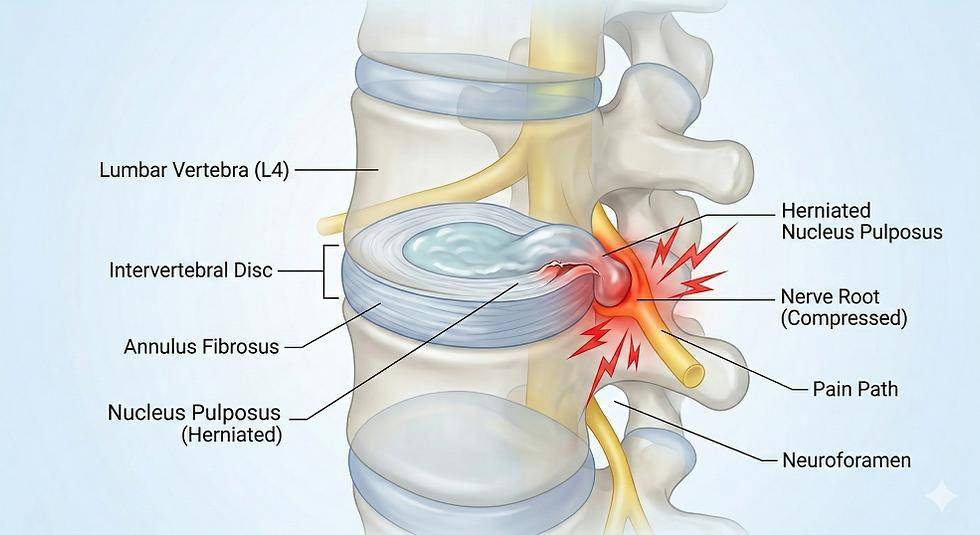
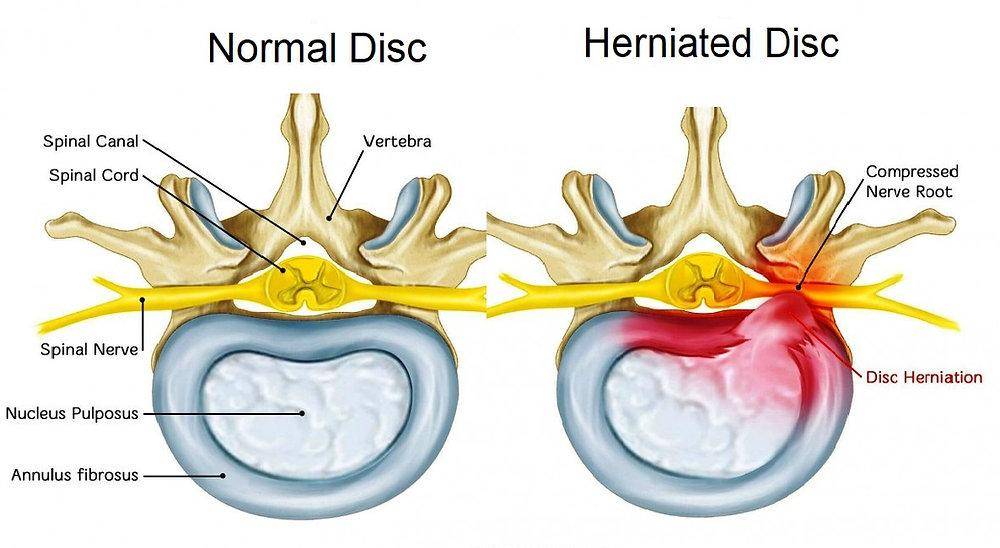
Slip Disc is a common spinal condition in which one of the cushioning discs between the vertebrae bulges or herniates. These discs help absorb shock, provide flexibility, and allow the spine to move comfortably. When the disc material pushes outward and irritates or compresses nearby nerves, it can cause pain and other neurological symptoms.
A slip disc may affect the lower back or neck and can sometimes cause pain that travels into the legs or arms. Symptoms can range from mild discomfort to severe pain, numbness, or muscle weakness. Understanding the condition and seeking appropriate medical advice can help patients choose the right treatment and prevent complications.
What Is Slip Disc and What Are Its Symptoms?
A slip disc, medically known as a herniated or prolapsed disc, occurs when the soft inner material of a spinal disc pushes through a weakened or damaged outer portion.
The spine contains discs between its bones that act as cushions. When a disc bulges or herniates, it may irritate nearby nerves. This can lead to pain, tingling, numbness, or weakness depending on the location of the affected disc.
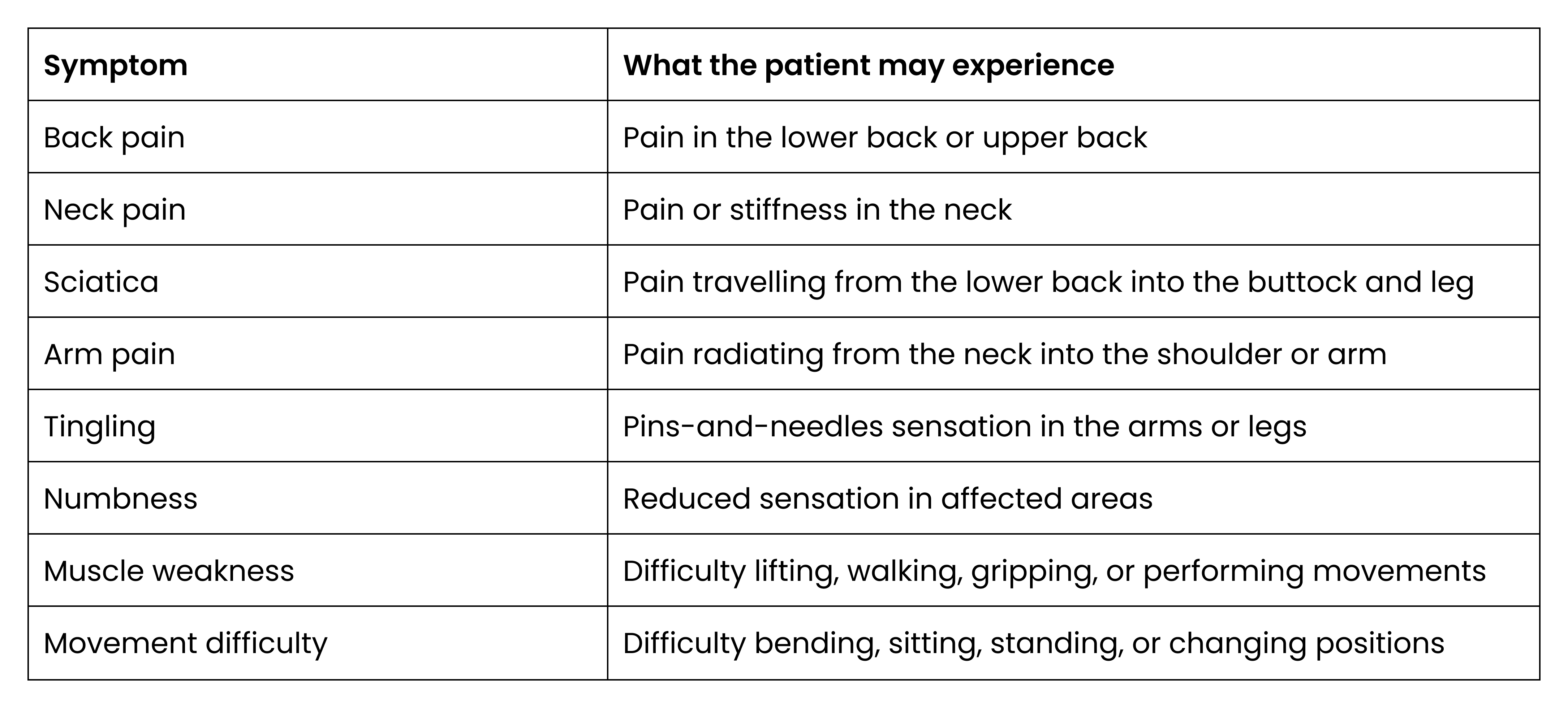
Common symptoms of slip disc
Where can slip disc pain occur?
Lumbar Slip Disc :- May cause lower back pain and pain radiating into the buttock or leg
Cervical Slip Disc :- May cause neck pain, shoulder pain, or symptoms extending into the arm Seek urgent medical care if you experience new bladder or bowel control problems, numbness around the genital or buttock area, or rapidly worsening weakness in the legs.
What Causes Slip Disc and Who Is at Risk?
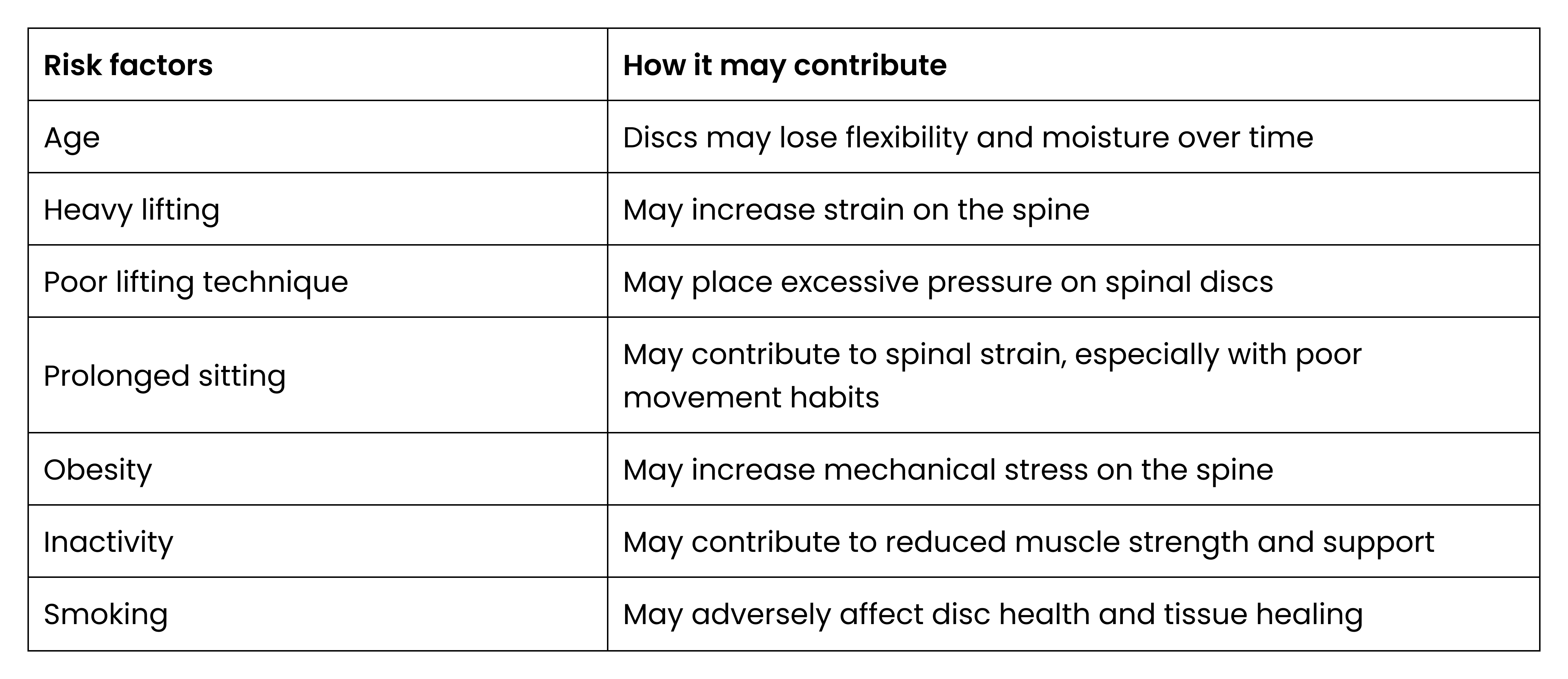
A slip disc may develop gradually due to changes in the disc over time or suddenly following strain or injury. The outer layer of a spinal disc may weaken, allowing the inner material to bulge outward.
Common causes of slip disc
- Age-related wear and tear of spinal discs
- Improper lifting of heavy objects
- Repeated bending or twisting
- Sudden strain during physical activity
- Prolonged sitting or driving
- Lack of physical activity
- Excess body weight
- Certain occupational activities involving repetitive strain
Risk factors
Diagnosis & Treatments
How Is Slip Disc Diagnosed and Treated?
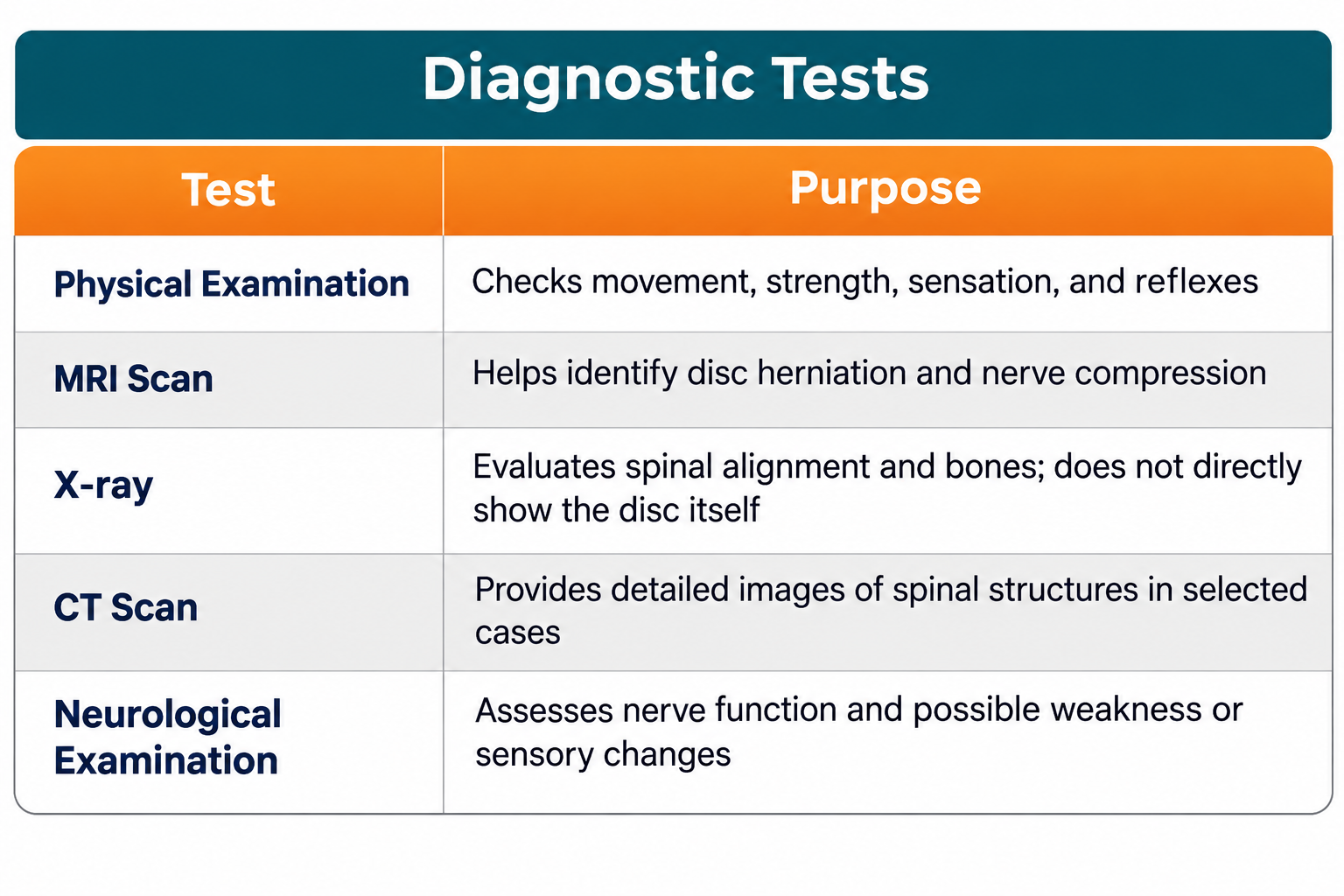
A slip disc is usually evaluated through the patient's symptoms, medical history, and physical examination. The doctor may assess pain, muscle strength, sensation, reflexes, and movement to identify whether a spinal nerve is affected.
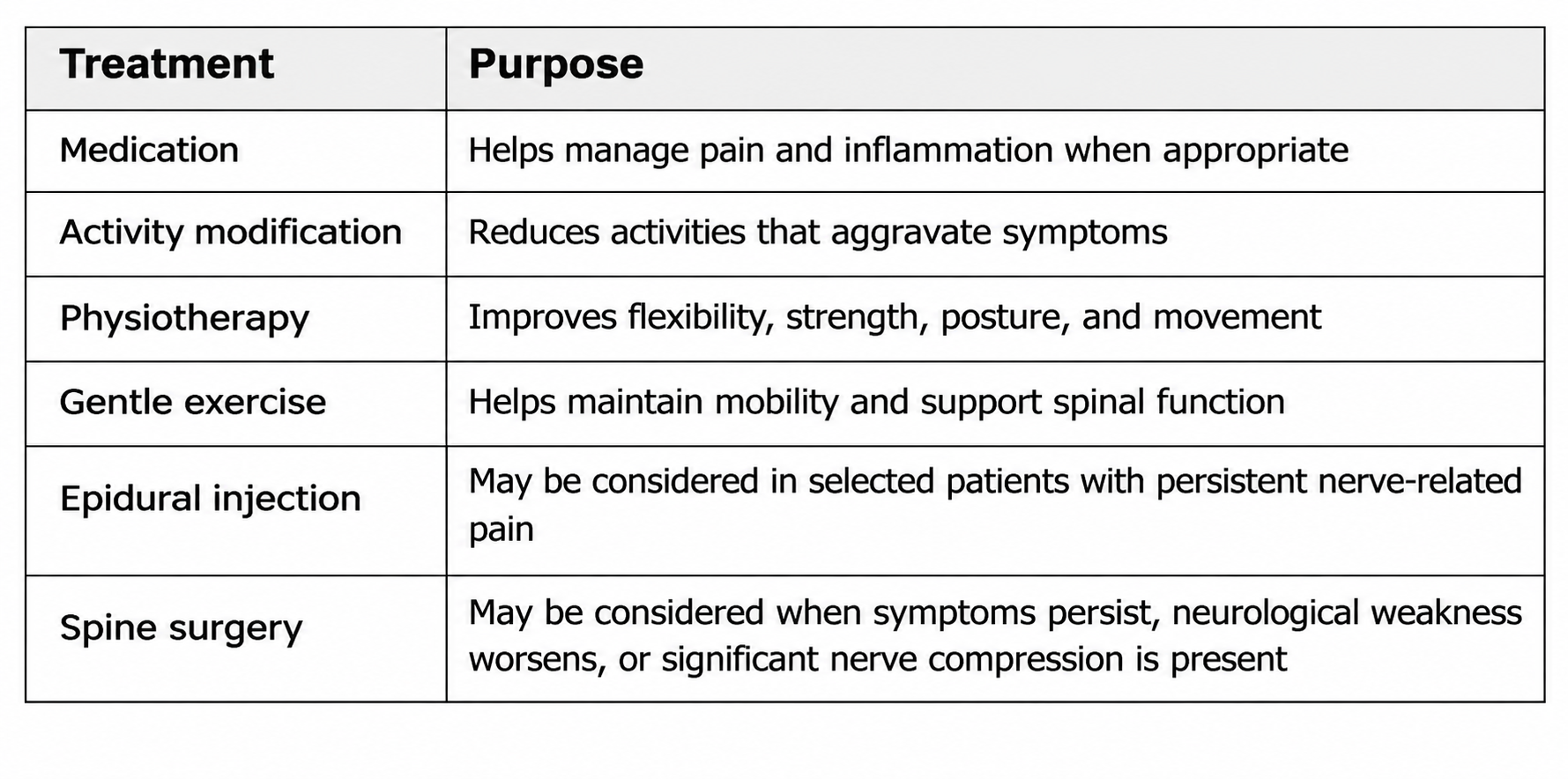
Treatment options for slip disc
Most slip disc patients do not require surgery initially. Treatment depends on symptom severity, nerve involvement, duration of symptoms, and response to conservative treatment.
When is slip disc surgery required?
Surgery may be considered when:
- Pain continues despite appropriate non-surgical treatment.
- Severe nerve pain significantly affects daily life.
- Muscle weakness is worsening.
- There is significant nerve compression.
- Emergency symptoms suggest serious nerve compression, such as cauda equina syndrome.
Surgery is not necessary for every slip disc. A spine specialist evaluates the symptoms, examination findings, and imaging reports before recommending an appropriate treatment approach.
Care at Global
Slip Disc : Recovery, Prevention & Daily Care
Recovery from a slip disc varies depending on the severity of the disc problem and nerve involvement. Many patients improve gradually with appropriate treatment, activity modification, and rehabilitation.
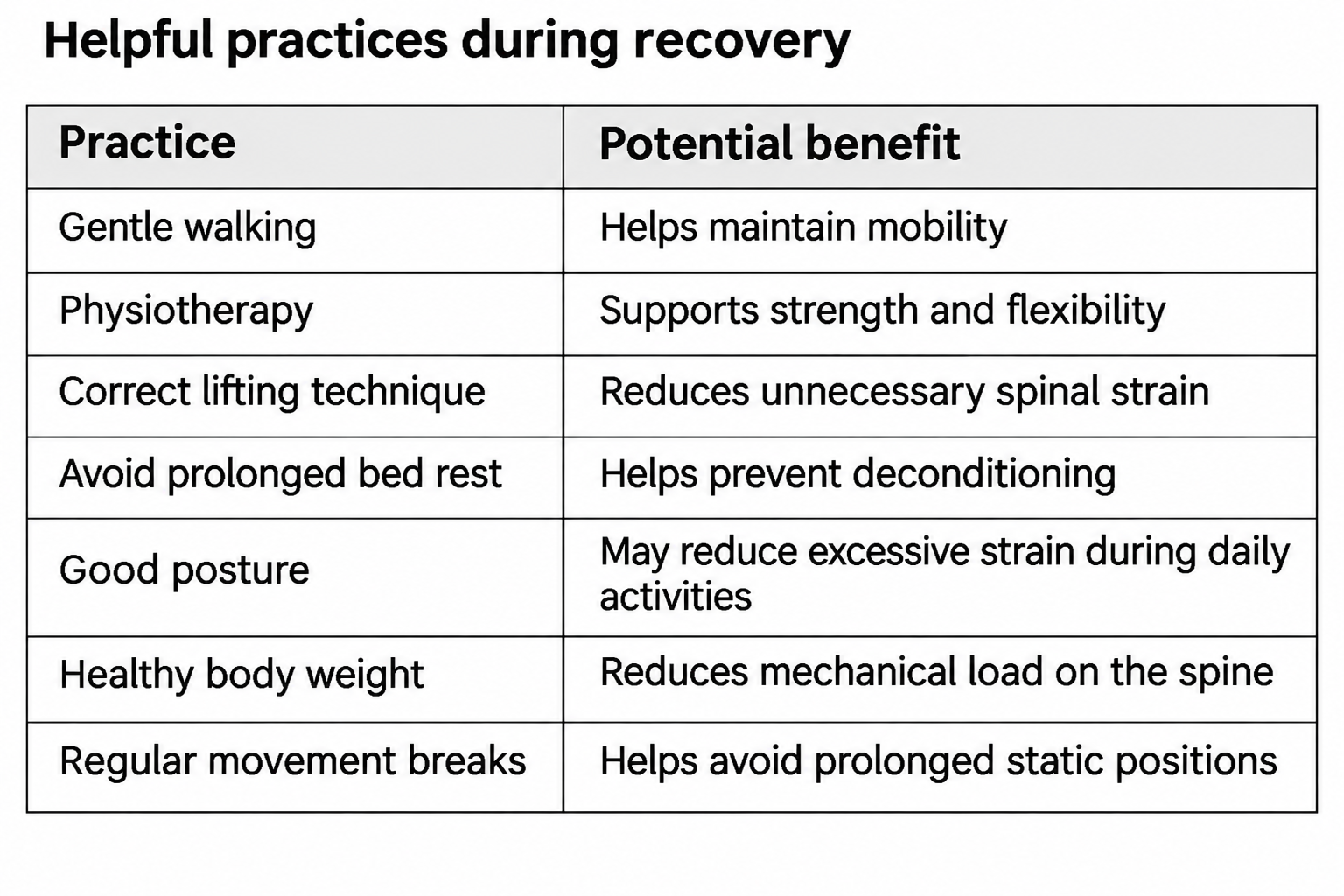
How to protect your spine
- Avoid lifting heavy objects with sudden twisting movements.
- Bend appropriately and keep objects close to your body while lifting.
- Avoid prolonged sitting without movement breaks.
- Stay physically active within your comfort level.
- Follow exercises recommended by your physiotherapist.
- Do not ignore persistent pain, numbness, or weakness.
- Seek medical evaluation if symptoms worsen or fail to improve.
When should you see a spine specialist?
You should seek medical evaluation if you have persistent back or neck pain, pain travelling into your arms or legs, tingling, numbness, muscle weakness, difficulty walking, or symptoms that are not improving.
Urgent assessment is needed for new bladder or bowel dysfunction, numbness around the saddle area, or severe/progressive weakness.
Slip Disc Care at Global Neuro & Spine Care
Slip disc pain can affect a person's ability to walk, sit, work, sleep, and perform daily activities. For some patients, the pain may remain localised, while others may experience nerve-related pain extending into the arms or legs.
Global Neuro & Spine Care aims to help patients connect with spine specialists and understand their condition and treatment options.
Patients may seek guidance regarding:
- Understanding MRI spine reports
- Spine specialist consultation
- Managing back pain and neck pain
- Understanding nerve compression
- Non-surgical treatment options
- Physiotherapy and rehabilitation
- Surgical consultation when required
- Second opinions regarding spine treatment
Conclusion
A slip disc occurs when a spinal disc bulges or herniates, sometimes putting pressure on nearby nerves. It can cause back or neck pain, numbness, tingling, muscle weakness, and pain extending into the arms or legs.
Many patients improve with non-surgical treatment, physiotherapy, and appropriate lifestyle changes. However, persistent pain, worsening weakness, or severe neurological symptoms should never be ignored. Early evaluation by a spine specialist can help determine the right treatment and support recovery.
Frequently Asked Questions (FAQs)
1. Is a slip disc a serious condition?
A slip disc may be mild or severe depending on the extent of disc herniation and nerve involvement. Many patients improve with conservative treatment. However, severe nerve compression can cause weakness or other neurological problems and may require urgent medical evaluation.
2. Can a slip disc heal without surgery?
Yes. Many slip disc patients improve without surgery through appropriate medication, physiotherapy, activity modification, and gradual exercise. Surgery is generally considered when symptoms persist despite treatment or when significant or progressive neurological problems develop.
3. What are the symptoms of a slip disc in the legs?
A lower-back slip disc may cause pain radiating into the buttocks, thighs, calves, or feet. Patients may also experience tingling, numbness, muscle weakness, or difficulty walking, depending on which nerve is affected.
4. Can walking help with slip disc?
Gentle walking may help many patients maintain mobility and avoid stiffness during recovery. However, activity should be adjusted according to symptoms. Exercises that significantly increase pain or neurological symptoms should be stopped and discussed with a healthcare professional.
5. When does a slip disc require surgery?
Surgery may be recommended when severe pain continues despite appropriate non-surgical treatment, significant nerve compression is present, or muscle weakness is worsening. Emergency surgery may be required in certain situations involving serious nerve compression and bladder, bowel, or saddle-area sensory symptoms.