How Sleep Is Related to Brain Health: What Your Brain Does While You Rest
Overview
Sleep may look like “downtime,” but your brain is anything but inactive.
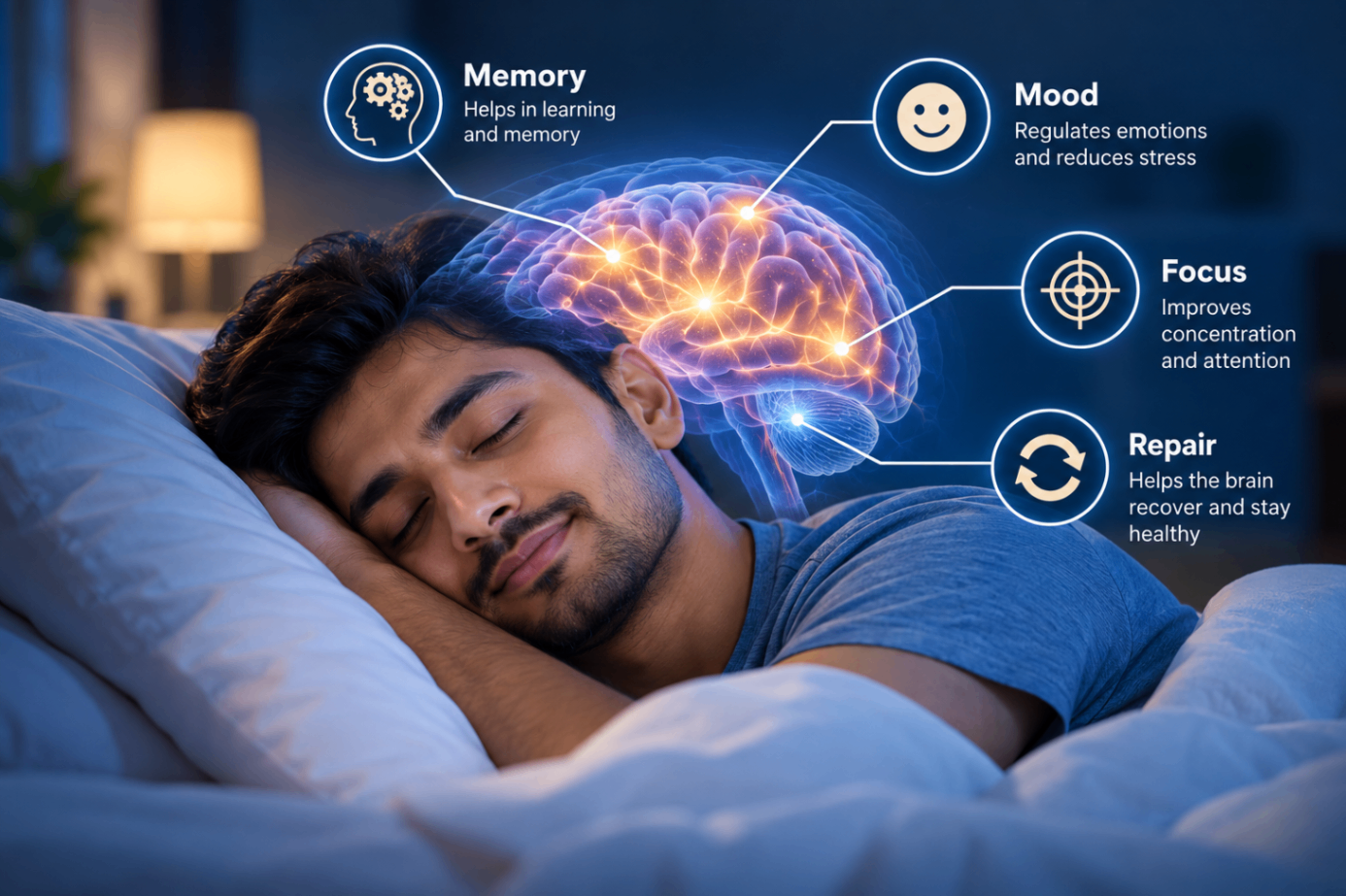
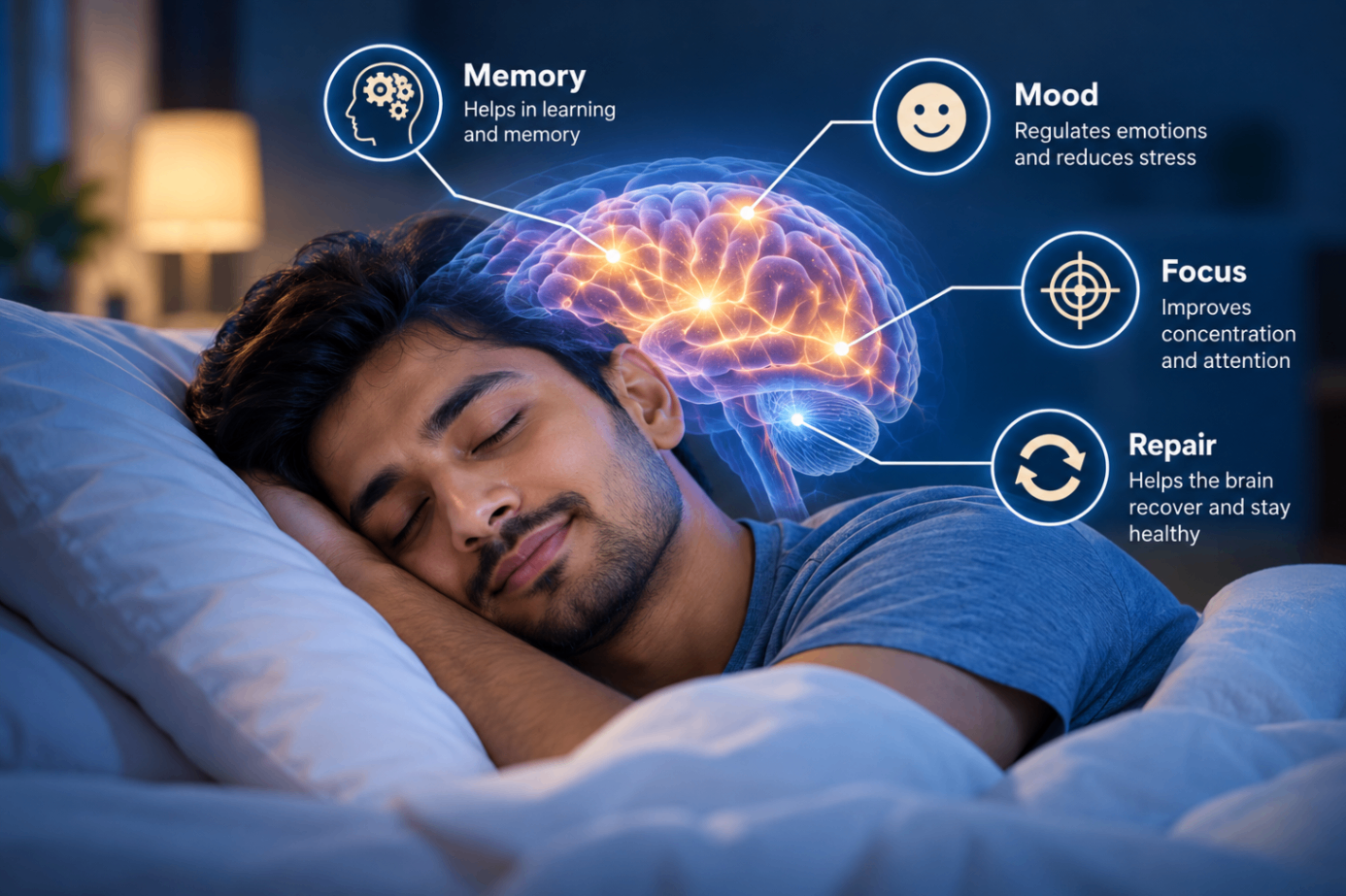
While you sleep, your brain organises memories, regulates emotions, restores attention and coordinates essential processes throughout the body. In other words, sleep is not a luxury or simply a break from work—it is part of your brain’s daily maintenance programme.
The National Institute of Neurological Disorders and Stroke explains that adequate, good-quality sleep is essential for learning, memory formation, concentration and quick responses. The brain also remains remarkably active throughout the night. NINDS: Understanding Sleep
Quick answer: Quality sleep helps the brain consolidate memories, maintain attention, regulate mood and support long-term neurological and vascular health. Most adults need at least seven hours of sleep, but regularity and sleep quality matter as much as the number on the clock.
What Happens Inside Your Brain During Sleep?
Sleep is not one uniform state. The brain moves repeatedly through non-rapid eye movement—or non-REM—sleep and rapid eye movement, or REM, sleep.
Deep non-REM sleep helps you feel physically and mentally refreshed. REM sleep is associated with vivid dreaming and active brain processes. Both non-REM and REM sleep appear to contribute to memory consolidation. NINDS: Sleep stages and memory
1. Sleep Strengthens Learning and Memory
During the day, your brain receives an enormous amount of information. During sleep, it helps stabilise and organise some of what you have learnt.
Insufficient or fragmented sleep can make it harder to:
- Learn new information
- Remember names, instructions or appointments
- Maintain concentration
- Solve problems
- Make sound decisions
- React quickly
That familiar “brain fog” after a poor night’s sleep is therefore not imaginary. It reflects a temporarily less efficient brain.
2. Sleep Supports Attention and Mental Performance
When you are sleep-deprived, attention can fluctuate—even when you believe you are functioning normally. Mistakes become more likely, reaction time slows and complex decision-making becomes harder.
This is especially important for drivers, healthcare professionals, machine operators, students and people performing safety-critical work. If you are struggling to stay awake, do not drive or operate dangerous machinery.
3. Sleep Helps Regulate Mood
Sleep and emotional health have a two-way relationship. Stress, anxiety and depression may disturb sleep, while persistent poor sleep can worsen irritability, emotional sensitivity and low mood.
A rested brain is generally better able to regulate emotional responses. However, sleep problems accompanied by persistent sadness, anxiety, hopelessness or thoughts of self-harm require professional assessment—not just another cup of tea and an earlier bedtime.
4. Sleep May Support the Brain’s Waste-Clearance System
Research suggests that a network commonly called the glymphatic system helps move fluid through brain tissue and clear metabolic waste. Studies indicate that this system may be particularly active during sleep.
Human research in this field is still developing, so sleep should not be advertised as a “detox” or guaranteed protection against dementia. Nevertheless, current findings reinforce the importance of regular, restorative sleep. NIH: Brain waste-clearance research
5. Sleep Supports Long-Term Brain and Blood-Vessel Health
Poor sleep affects more than next-day concentration. Sleep disorders—including obstructive sleep apnea, insomnia, fragmented sleep and circadian-rhythm disruption—have been associated with stroke, cognitive impairment and dementia-related outcomes.
Association does not always mean direct causation. Some neurological diseases can themselves disturb sleep. Still, identifying and treating a sleep disorder may be an important part of protecting overall brain and cardiovascular health. American Heart Association scientific statement
How Much Sleep Does Your Brain Need?
Sleep requirements vary with age and from person to person
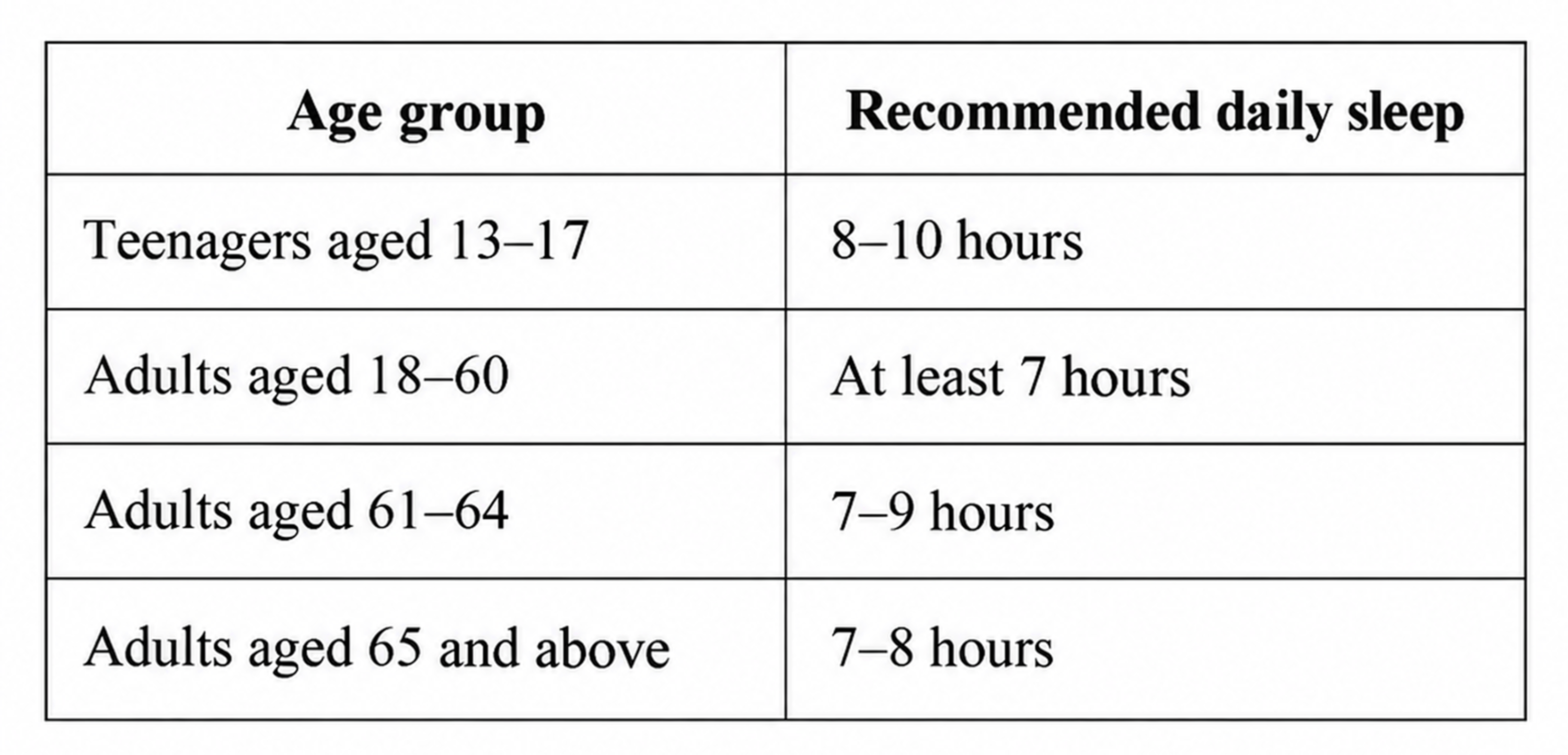
These are general recommendations, not rigid prescriptions. Sleep quality also matters. Seven hours of repeatedly interrupted sleep may be less restorative than seven hours of continuous, refreshing sleep. CDC sleep recommendations
A practical question is: Do you wake feeling refreshed and remain reasonably alert throughout the day? If not, your sleep duration, quality or timing may need attention.
How Poor Sleep Can Affect the Brain
Occasional sleep loss may cause short-term symptoms such as:
- Brain fog
- Forgetfulness
- Reduced concentration
- Slower reaction time
- Irritability
- Headache
- Daytime sleepiness
- Poor judgement
When inadequate or disrupted sleep becomes persistent, it can interfere with work, study, relationships, driving and general health. Long-term sleep disturbance may also be associated with high blood pressure, metabolic disease, stroke and cognitive problems.
One late night is unlikely to “damage your brain permanently.” The greater concern is a continuing pattern of insufficient sleep or an untreated sleep disorder.
Sleep Disorders That May Affect Brain Health
Insomnia : Insomnia involves difficulty falling asleep, staying asleep or returning to sleep after waking. It becomes clinically important when it persists and affects daytime functioning.
Stress may trigger insomnia, but pain, depression, anxiety, medications, hormonal changes and neurological conditions can also contribute. Persistent insomnia deserves proper assessment rather than indefinite self-medication.
Obstructive Sleep Apnea : Obstructive sleep apnea causes breathing to stop and restart repeatedly during sleep. This can fragment sleep and reduce oxygen levels.
Warning signs include:
- Frequent loud snoring
- Witnessed pauses in breathing
- Gasping or choking during sleep
- Morning headaches
- Dry mouth on waking
- Poor concentration
- Excessive daytime sleepiness
- Feeling tired despite spending enough time in bed
A clinician may recommend a sleep study when sleep apnea is suspected. NHLBI: Sleep apnea symptoms
Circadian-Rhythm Disruption : Shift work, frequent travel, late-night screen use and irregular sleeping hours can push the internal body clock out of alignment with the natural light–dark cycle.
Even when total sleep time appears adequate, irregular timing may leave a person feeling unrefreshed or sleepy at inappropriate times.
Restless Legs and Other Neurological Sleep Problems
An uncontrollable urge to move the legs, unusual movements during sleep, dream-enactment behaviour, sudden sleep attacks or episodes resembling seizures require medical evaluation. These symptoms should not simply be labelled “poor sleep.”
Nine Brain-Friendly Sleep Habits
1. Keep a Consistent Sleep Schedule
Try to go to bed and wake up at approximately the same time every day. Consistency helps regulate the brain’s internal clock.
2. Get Daylight in the Morning
Morning light helps signal wakefulness and supports a healthier sleep–wake rhythm later in the evening.
3. Reduce Screens Before Bed
Dim bright lights and put away phones, tablets and laptops at least 30 minutes before bedtime. A longer screen-free wind-down may help people who are particularly sensitive to light or stimulation.
4. Be Careful With Evening Caffeine
Coffee, tea, energy drinks and some medicines contain caffeine. Its effects may continue for several hours, so late-afternoon or evening intake can interfere with sleep.
5. Do Not Use Alcohol as a Sleeping Aid
Alcohol may make you feel sleepy initially, but it can fragment sleep later in the night and worsen snoring or sleep-disordered breathing.
6. Exercise Regularly
Regular physical activity supports sleep and general brain health. Avoid vigorous exercise very close to bedtime if it makes you feel more alert.
7. Create a Sleep-Friendly Bedroom
Keep the room comfortable, dark and quiet. Reserve the bed primarily for sleep rather than prolonged work, scrolling or television.
8. Develop a Wind-Down Routine
Reading, gentle breathing exercises, calming music or a warm bath can help the brain transition from “task mode” to “rest mode.”
9. Avoid Unsupervised Sleeping Pills
Sleeping tablets, antihistamines and melatonin are not appropriate for everyone. They may cause side effects or interact with other medicines. Consult a qualified healthcare professional before using them regularly.
When Should You Consult a Doctor?
Seek professional advice if you experience:
- Sleep difficulty that persists or affects daily life
- Loud, habitual snoring
- Gasping or witnessed breathing pauses
- Severe daytime sleepiness
- Falling asleep while driving or working
- Persistent morning headaches
- New memory or concentration problems
- Unusual movements or behaviour during sleep
- Possible seizures
- Sleep problems alongside depression, anxiety or a neurological condition
Sudden weakness, facial drooping, speech difficulty, severe confusion, loss of consciousness or a sudden unusually severe headache requires urgent emergency care.
Take the Next Step Towards Better Brain Health
Healthy sleep is one of the most practical investments you can make in your brain—but persistent sleep problems may need more than lifestyle advice.
Visit www.globalneuroandspinecare.com for brain and spine health information and access to neuro-care services.
For convenient access to neuro specialists, appointments, reports and ongoing care:
Explore Global Neuro & Spine Care: Visit the website
Get the app: Download Global Neuro & Spine Care on Google Play
Sleep better. Think clearer. Protect your brain for the years ahead.
Frequently Asked Questions About Sleep and Brain Health
1. How does sleep affect brain health?
Sleep supports learning, memory consolidation, attention, emotional regulation and restorative brain processes. Persistent poor sleep can impair daily brain function and is associated with several long-term health risks.
2. How many hours of sleep are best for the brain?
Most adults need at least seven hours each night, although individual requirements vary. Teenagers generally require eight to ten hours. Sleep quality and consistency are as important as duration.
3. Can lack of sleep cause memory loss?
Poor sleep can make it harder to learn and remember information. An occasional bad night usually causes temporary forgetfulness, but persistent or worsening memory problems should be assessed by a doctor.
4. Is poor sleep linked to dementia?
Sleep disturbances are associated with cognitive decline and dementia-related conditions, but the relationship is complex and may work in both directions. Poor sleep does not mean that a person will inevitably develop dementia.
5. Can good sleep improve concentration?
Yes. Restorative sleep supports attention, reaction time, problem-solving and decision-making. Improving sleep may reduce brain fog when inadequate sleep is the underlying cause.
6. Is snoring dangerous for the brain?
Occasional mild snoring is not always harmful. Loud habitual snoring accompanied by choking, breathing pauses, morning headaches or daytime sleepiness may indicate obstructive sleep apnea and should be evaluated.
7. Can weekend sleep compensate for weekday sleep loss?
Extra weekend sleep may reduce tiredness temporarily, but it may not fully reverse accumulated sleep loss. A regular sleep schedule throughout the week is generally more effective.
8. What is the best time to sleep for brain health?
There is no single bedtime suitable for everyone. The best schedule provides enough uninterrupted sleep, remains reasonably consistent and aligns with your natural sleep–wake cycle.
9. Should I consult a neurologist for sleep problems?
A neurologist or sleep specialist may be appropriate when sleep problems are associated with memory changes, headaches, seizures, unusual nighttime behaviour, excessive sleepiness or another neurological condition.
Medical Disclaimer
This article is intended for general education and awareness only. It does not provide a diagnosis or replace personalised medical advice, examination or treatment from a qualified healthcare professional. Do not start, stop or change medicines or supplements based solely on this information. Seek urgent medical assistance for severe breathing difficulty, loss of consciousness, seizures, stroke-like symptoms or other emergencies.