Ischemic Stroke
Symptoms & Causes
Overview
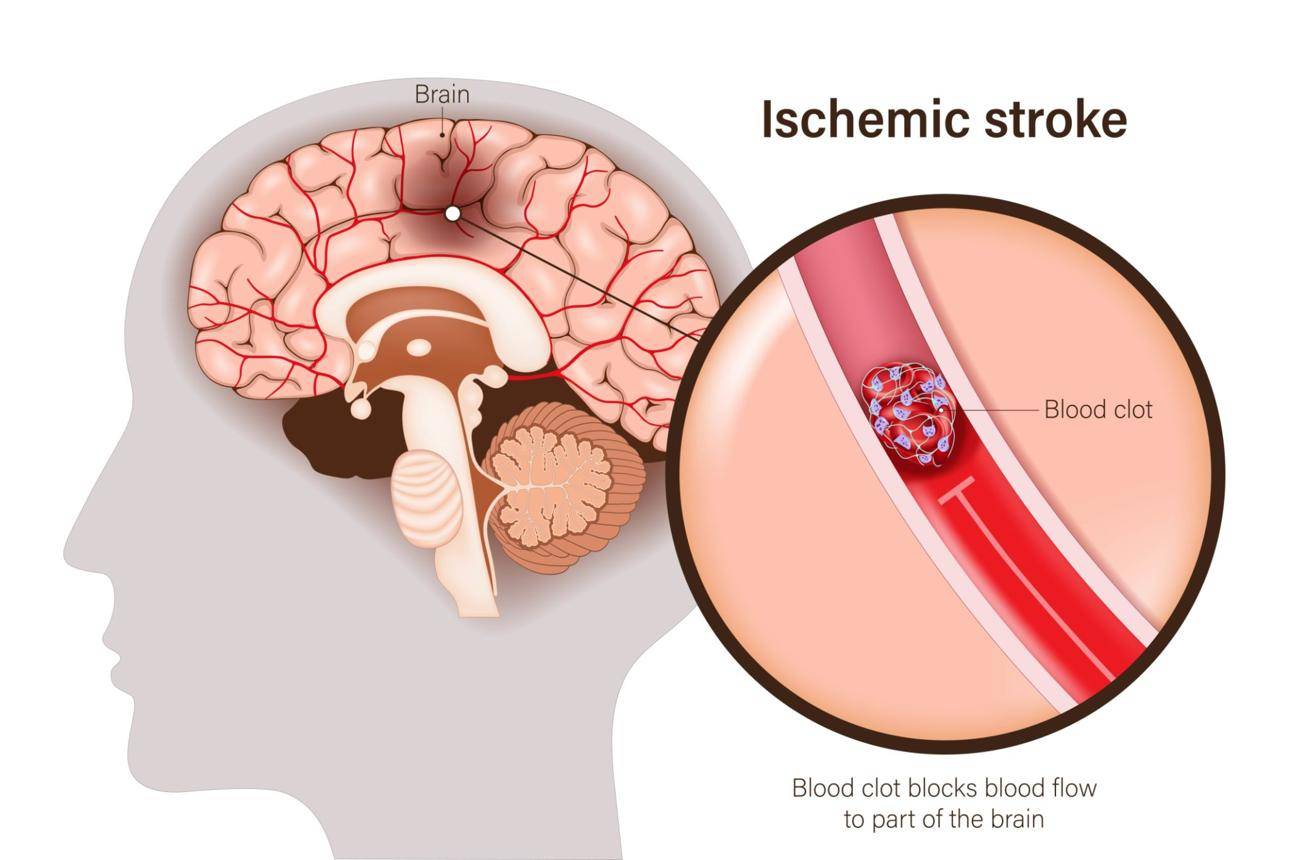
Ischemic Stroke is a medical emergency that occurs when blood flow to part of the brain is blocked. The brain needs a continuous supply of oxygen and nutrients to function properly. When an artery becomes blocked, the affected brain cells may begin to die within minutes.
An ischemic stroke can affect movement, speech, vision, memory, balance, and daily activities. Some patients recover significantly with timely treatment and rehabilitation, while others may experience long-term disability. Recognising the symptoms early and seeking emergency medical care can help reduce brain damage and improve the chances of recovery.
1. What Is Ischemic Stroke and What Are Its Symptoms?
An ischemic stroke happens when a blood vessel supplying the brain becomes blocked, usually by a blood clot. As a result, the affected area of the brain receives insufficient blood and oxygen.
The symptoms depend on which part of the brain is affected and how much blood flow is interrupted. Stroke symptoms generally begin suddenly and may worsen rapidly.
Common symptoms of ischemic stroke
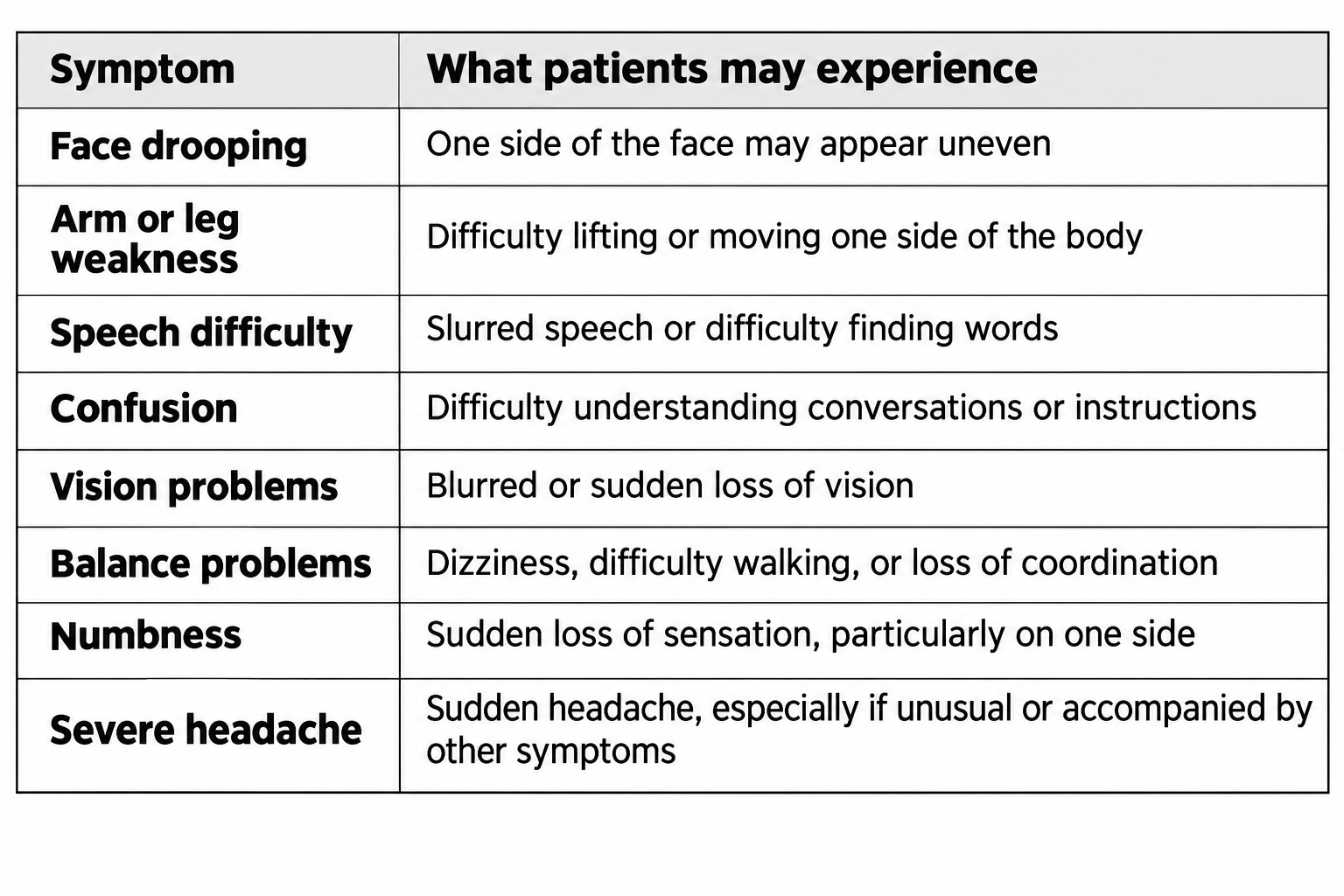
Remember the FAST stroke Test
F – Face
A – Arms
S – Speech
T – Time
Seek emergency medical help immediately. If any of these symptoms appear suddenly, do not wait for them to improve. Seek emergency medical attention immediately.
What Causes Ischemic Stroke and Who Is at Risk?
The primary cause of an ischemic stroke is a blockage in a blood vessel supplying the brain. This blockage may form locally or travel from another part of the body.
Major causes of ischemic stroke
- Blood clot formation: A clot may form inside an artery supplying the brain.
- Atherosclerosis: Fatty plaque builds up inside arteries, narrowing them and increasing the risk of blockage.
- Cardiac embolism: A clot may form in the heart, particularly in certain abnormal heart rhythms, and travel to the brain.
- Carotid artery disease: Narrowing of the arteries in the neck may reduce blood supply or allow clots to travel to the brain.
- Other blood and heart conditions: Certain heart diseases and blood disorders may increase the risk.
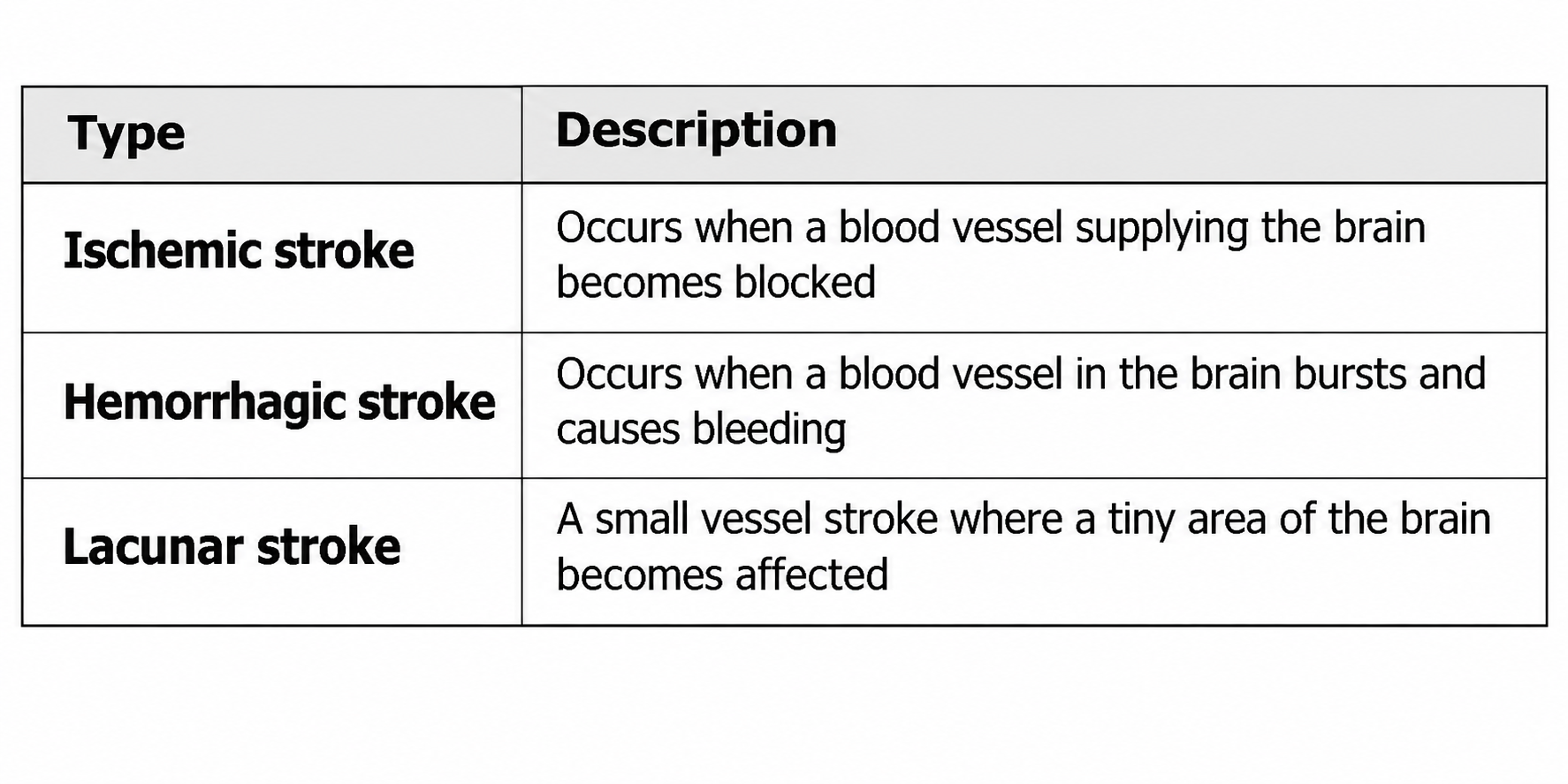
Types of ischemic stroke
Risk factors
Some factors may increase the likelihood of ischemic stroke:
- High blood pressure
- Diabetes
- High cholesterol
- Smoking
- Heart disease
- Atrial fibrillation
- Obesity
- Physical inactivity
- Increasing age
- Previous stroke or transient ischemic attack (TIA)
A transient ischemic attack, also known as a mini-stroke, causes temporary stroke-like symptoms. Even if the symptoms disappear, it should not be ignored because it may be a warning of a future stroke.
Diagnosis & Treatments
How Is Ischemic Stroke Diagnosed and Treated?
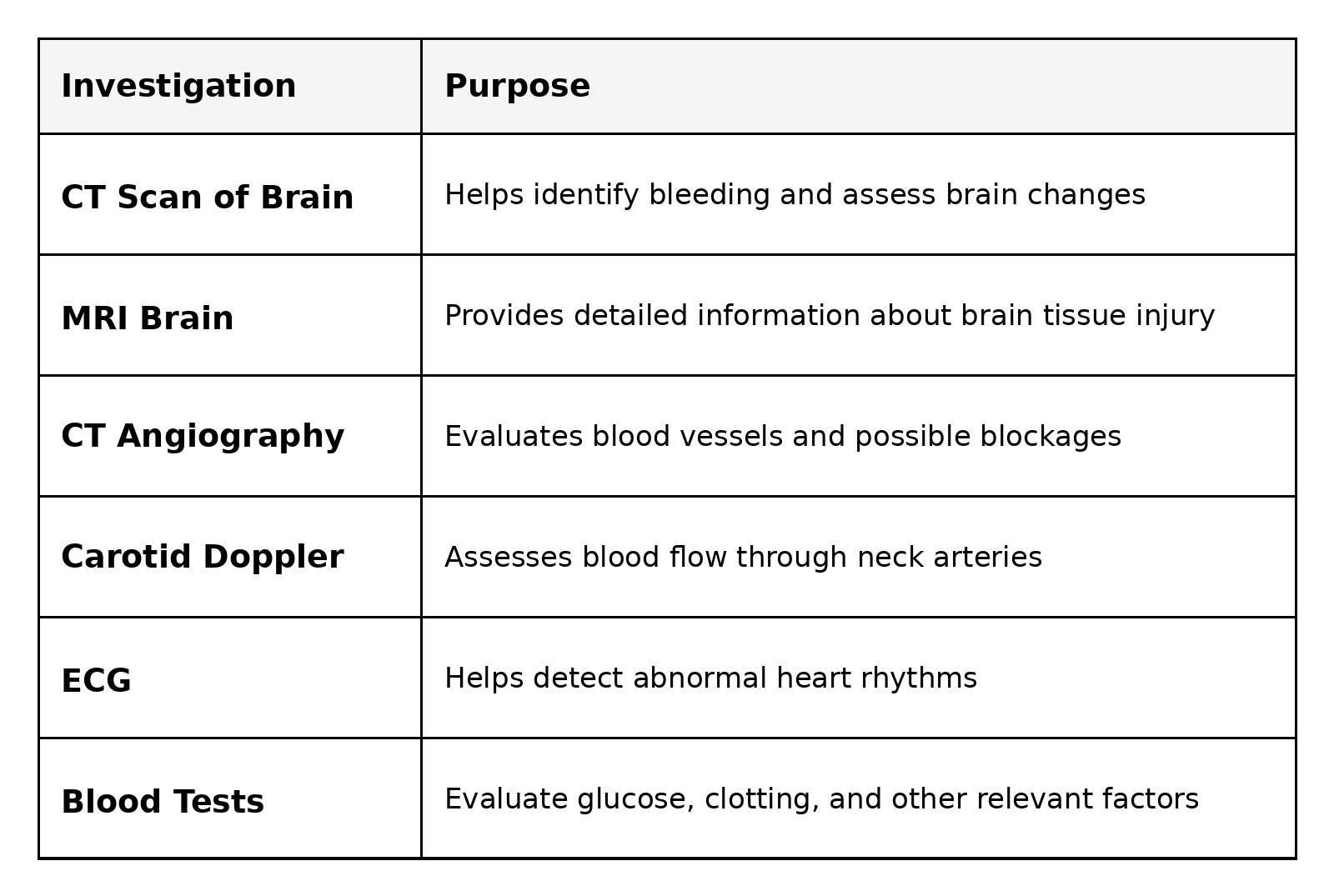
Ischemic stroke requires immediate medical assessment. Doctors need to identify whether the stroke is caused by a blockage or bleeding because the treatment approach differs significantly.
Diagnostic Tests
Treatment options for ischemic stroke
Why time matters in stroke treatment
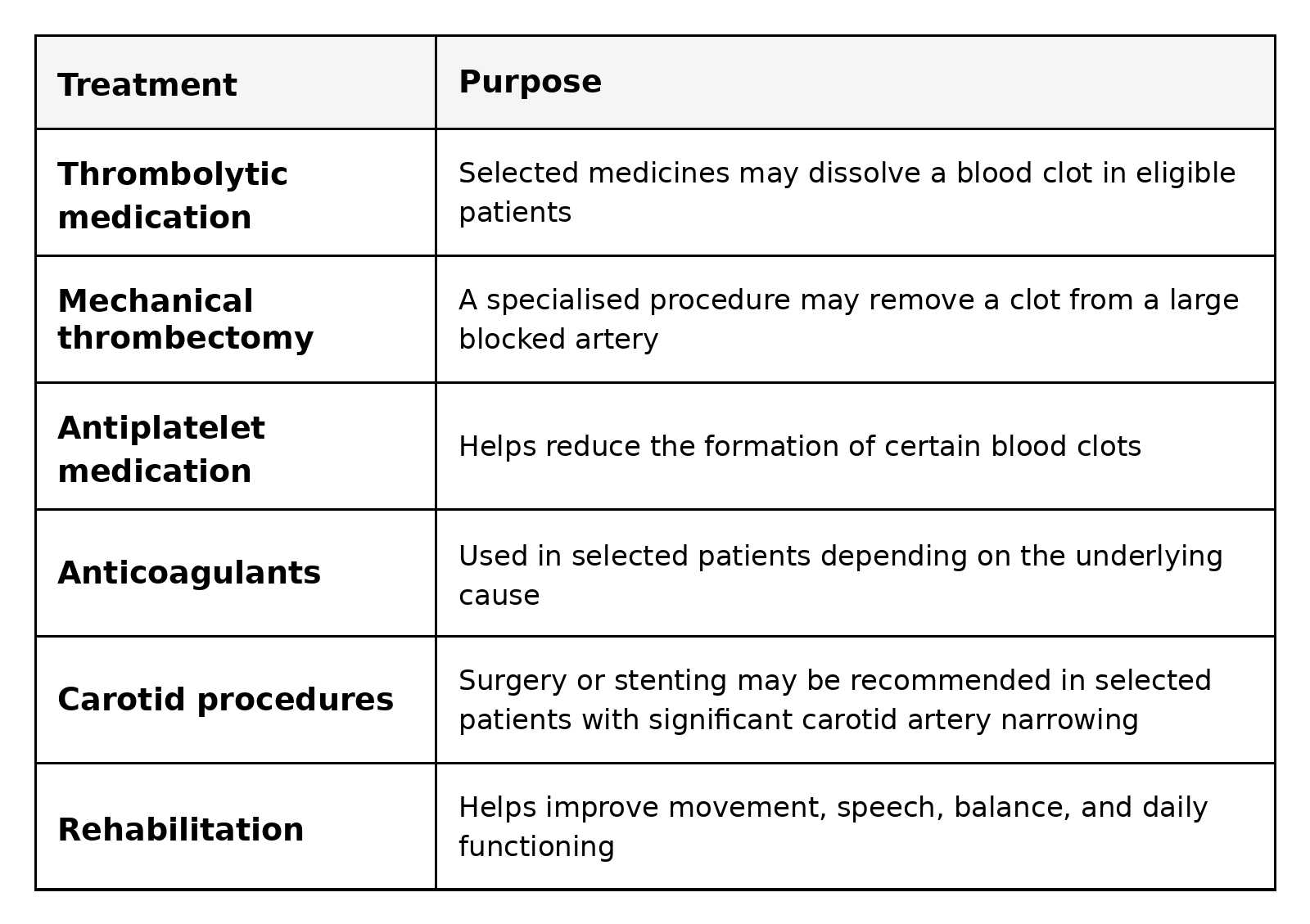
The sooner a patient reaches a stroke-capable hospital, the sooner doctors can assess eligibility for treatments that restore blood flow. Certain clot-dissolving treatments are time-sensitive, and mechanical thrombectomy may be possible in selected patients based on clinical and imaging findings.
Never delay hospital treatment to wait for symptoms to disappear.
Ischemic Stroke: Recovery, Rehabilitation & Prevention
Recovering from an ischemic stroke can be different for every patient. Some patients may recover quickly, while others need weeks, months, or longer of rehabilitation. Recovery depends on the area of the brain affected, the severity of the stroke, how quickly treatment was started, and the patient's overall health.
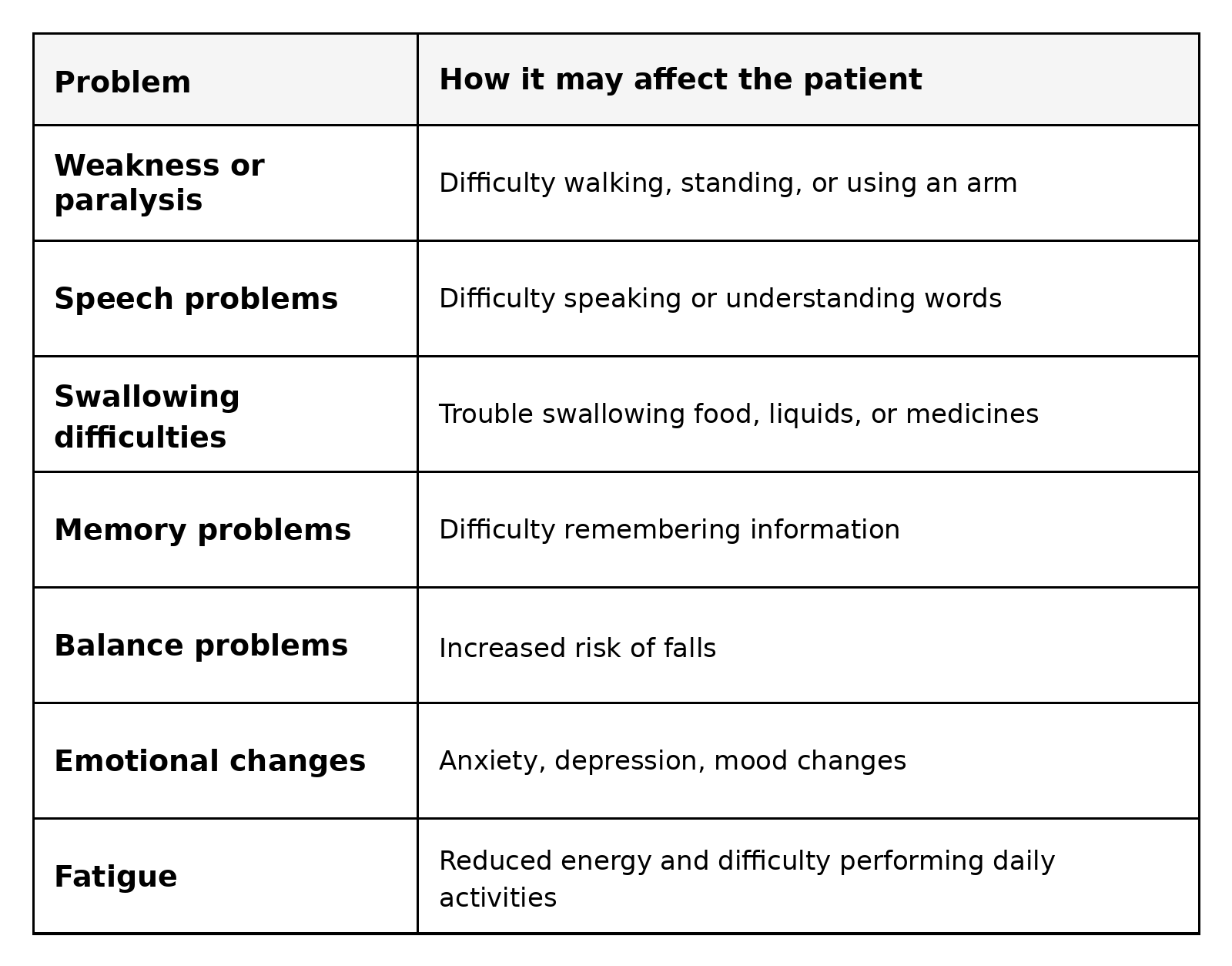
Rehabilitation after ischemic stroke
Rehabilitation may involve a multidisciplinary team depending on the patient's needs.
- Physiotherapy: Improves strength, balance, mobility, and walking.
- Speech and language therapy: Helps with communication and swallowing difficulties.
- Occupational therapy: Helps patients regain independence in daily activities.
- Cognitive rehabilitation: Supports memory, attention, and thinking skills.
- Psychological support: Helps patients and families manage emotional changes.
How can another stroke be prevented?
After an ischemic stroke, preventing another stroke becomes an important part of treatment.
- Monitor and control blood pressure.
- Manage diabetes and cholesterol.
- Take prescribed medicines regularly.
- Stop smoking.
- Follow a healthy diet.
- Maintain physical activity as advised by the doctor.
- Attend regular medical follow-ups.
- Identify and treat underlying heart conditions.
Care at Global
Ischemic Stroke Care at Global Neuro & Spine Care
An ischemic stroke can change a patient's life within minutes. Early medical care, appropriate treatment, and continued rehabilitation play important roles in the patient's recovery journey.
Global Neuro & Spine Care aims to help patients and families connect with neurological specialists and understand the next steps in their care journey.
Patients and caregivers may seek guidance regarding:
- Understanding stroke symptoms and reports
- Neurological consultation
- Treatment and recovery options
- Rehabilitation guidance
- Understanding the importance of stroke prevention
- Seeking specialist advice for post-stroke complications
Conclusion
Ischemic stroke occurs when blood flow to part of the brain is blocked, depriving brain cells of oxygen. It can cause sudden weakness, speech difficulty, vision problems, confusion, and disability. Recognising the warning signs and getting emergency treatment without delay is critical. After the initial treatment, rehabilitation, medication, lifestyle changes, and regular medical follow-up can help patients recover and reduce the risk of another stroke.
Frequently Asked Questions (FAQs)
1. What is the main cause of ischemic stroke?
Ischemic stroke usually occurs when a blood clot blocks an artery supplying the brain. The clot may form within the blood vessel or travel from another part of the body. Narrowing of arteries due to plaque buildup can also increase the risk of blockage.
2. Is ischemic stroke dangerous?
Yes. Ischemic stroke is a medical emergency. It can cause permanent brain injury, disability, or death if blood flow is not restored in time. Immediate medical treatment may help reduce the extent of brain damage and improve outcomes.
3. Can a patient recover completely from an ischemic stroke?
Some patients recover completely or nearly completely, while others may have lasting problems with movement, speech, memory, or independence. Recovery depends on stroke severity, the brain area affected, treatment timing, and rehabilitation.
4. What is the difference between ischemic stroke and hemorrhagic stroke?
An ischemic stroke occurs when a blood vessel supplying the brain becomes blocked. A hemorrhagic stroke occurs when a blood vessel ruptures and bleeds into or around the brain. Both are medical emergencies, but their treatments are different.
5. Can ischemic stroke happen to young people?
Yes. Although stroke risk generally increases with age, ischemic stroke can also occur in younger adults. Causes may include heart conditions, blood vessel abnormalities, blood clotting disorders, smoking, certain medical conditions, and other risk factors.