Hydrocephalus
Symptoms & Causes
Overview
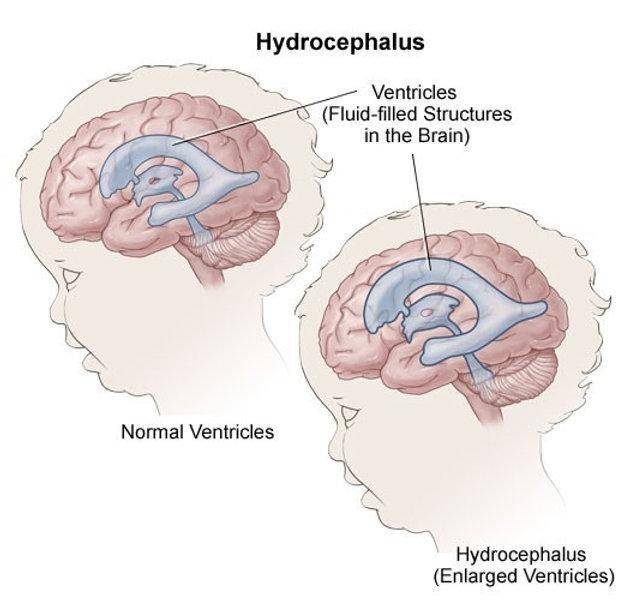
Hydrocephalus is a neurological condition in which excess cerebrospinal fluid (CSF) accumulates in the brain, causing enlargement of the brain's fluid-filled spaces called ventricles and potentially increasing pressure on surrounding brain tissues. It can affect infants, children, adults, and older people. Symptoms may vary depending on age, the cause of fluid accumulation, and how quickly the condition develops. Early diagnosis is important because untreated hydrocephalus can lead to serious complications. Understanding the warning signs, causes, diagnostic tests, and available treatment options can help patients and families seek appropriate medical care at the right time.
What Is Hydrocephalus and What Are Its Symptoms?
Hydrocephalus is a condition involving an abnormal accumulation of cerebrospinal fluid inside the brain's ventricles. Cerebrospinal fluid is a clear fluid that surrounds the brain and spinal cord. It protects the brain, helps remove waste products, and supports its normal functioning.
Normally, CSF continuously circulates through the brain and is eventually absorbed into the bloodstream. When its flow or absorption is disrupted, or when too much fluid accumulates, the ventricles may enlarge. This can put pressure on the brain and affect neurological function.
Common Symptoms of Hydrocephalus
Symptoms can differ significantly between infants, children, adults, and older people.
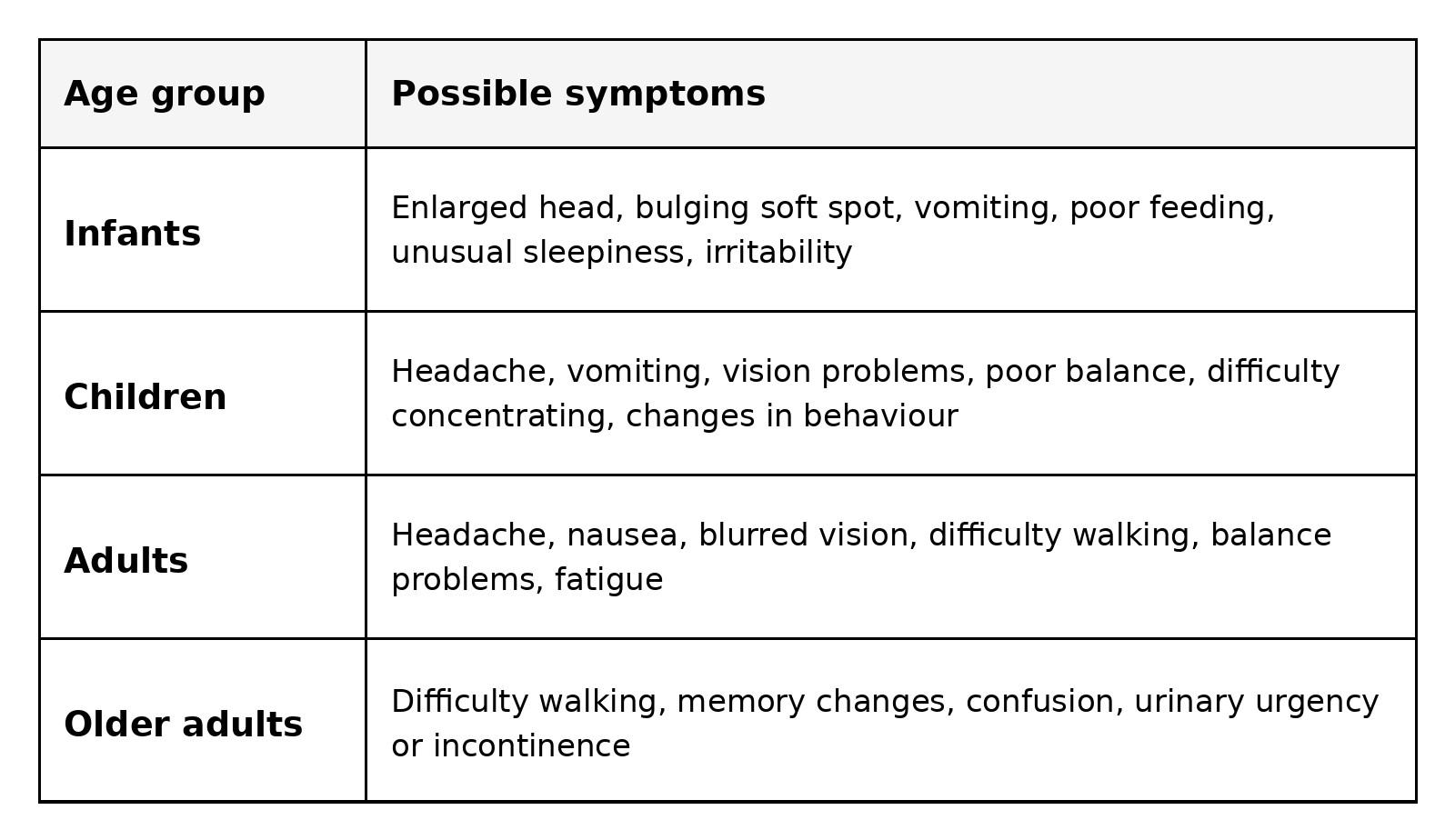
Symptoms may develop suddenly or gradually. In older adults, a condition called normal pressure hydrocephalus (NPH) may present with difficulty walking, changes in thinking or memory, and problems with bladder control.
Hydrocephalus is not simply a condition of having "water in the brain." It involves cerebrospinal fluid accumulation that can affect brain function and requires proper medical evaluation.
What Causes Hydrocephalus and Who Is at Risk ?
Hydrocephalus develops when the normal movement or absorption of cerebrospinal fluid is disrupted, or when its production and absorption become unbalanced. This can cause fluid to accumulate in the brain's ventricles.
The condition may be present at birth or develop later in life. Understanding the possible causes can help doctors determine the appropriate evaluation and treatment.
Common Causes of Hydrocephalus
1. Blockage of CSF Flow : A blockage in the pathways through which cerebrospinal fluid circulates may prevent normal fluid movement. This can lead to fluid accumulation within the ventricles.
2. Congenital Conditions : Some babies are born with hydrocephalus due to abnormalities in brain development. Certain congenital conditions, including spina bifida, may be associated with hydrocephalus.
3. Brain Tumours : A brain tumour may obstruct the normal flow of cerebrospinal fluid, leading to its accumulation and increased pressure within the brain.
4. Brain Infections : Certain infections affecting the brain or its surrounding tissues may interfere with CSF circulation or absorption and contribute to hydrocephalus.
5. Brain Bleeding : Bleeding within or around the brain, including bleeding associated with premature birth or certain injuries, can interfere with normal CSF circulation.
6. Head Injury : A serious head injury may damage brain structures or disrupt cerebrospinal fluid pathways, potentially resulting in hydrocephalus.
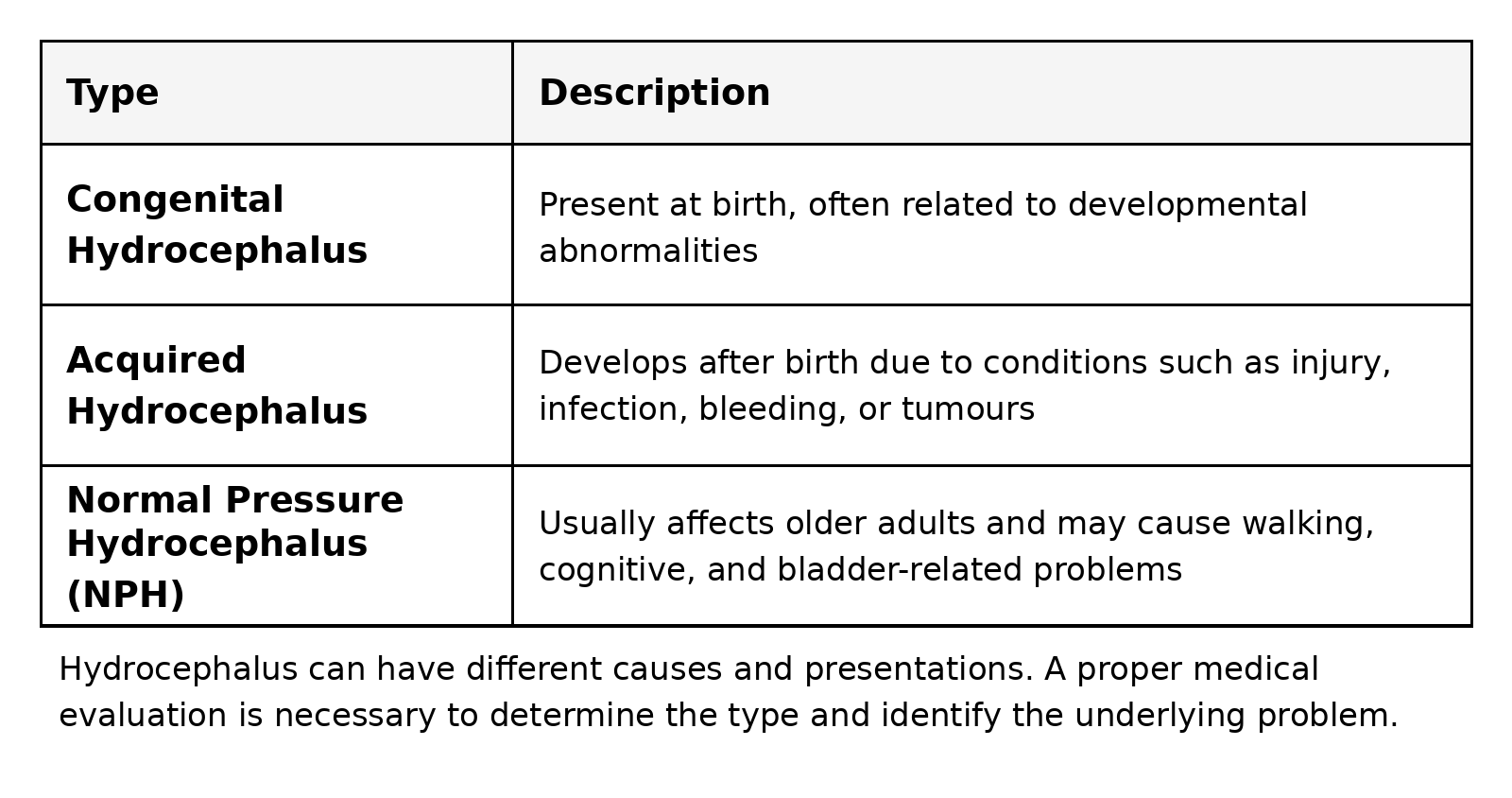
7. Normal Pressure Hydrocephalus : Normal pressure hydrocephalus, commonly seen in older adults, is a type of hydrocephalus in which enlarged brain ventricles are associated with symptoms such as walking difficulties, memory or thinking problems, and urinary issues.
Types of Hydrocephalus
Diagnosis & Treatments
How Is Hydrocephalus Diagnosed and Treated?
Early diagnosis of hydrocephalus is important to prevent further damage to the brain and manage symptoms effectively. Doctors evaluate symptoms, medical history, neurological function, and imaging findings to determine whether excess cerebrospinal fluid is affecting the brain.
Diagnosis of Hydrocephalus
The diagnostic process may include:
- Neurological examination: Assessing movement, reflexes, balance, vision, coordination, and mental function.
- MRI Scan: Provides detailed images of the brain, ventricles, and surrounding structures.
- CT Scan: Helps identify enlarged ventricles and may be useful in urgent evaluation.
- Developmental assessment: In infants and children, doctors may evaluate head growth and developmental milestones.
- Clinical assessment for NPH: Walking, cognition, and bladder symptoms may be evaluated in older adults.
Hydrocephalus Treatment Options
The main goal of treatment is to manage the excess cerebrospinal fluid and prevent harmful pressure or damage to the brain.
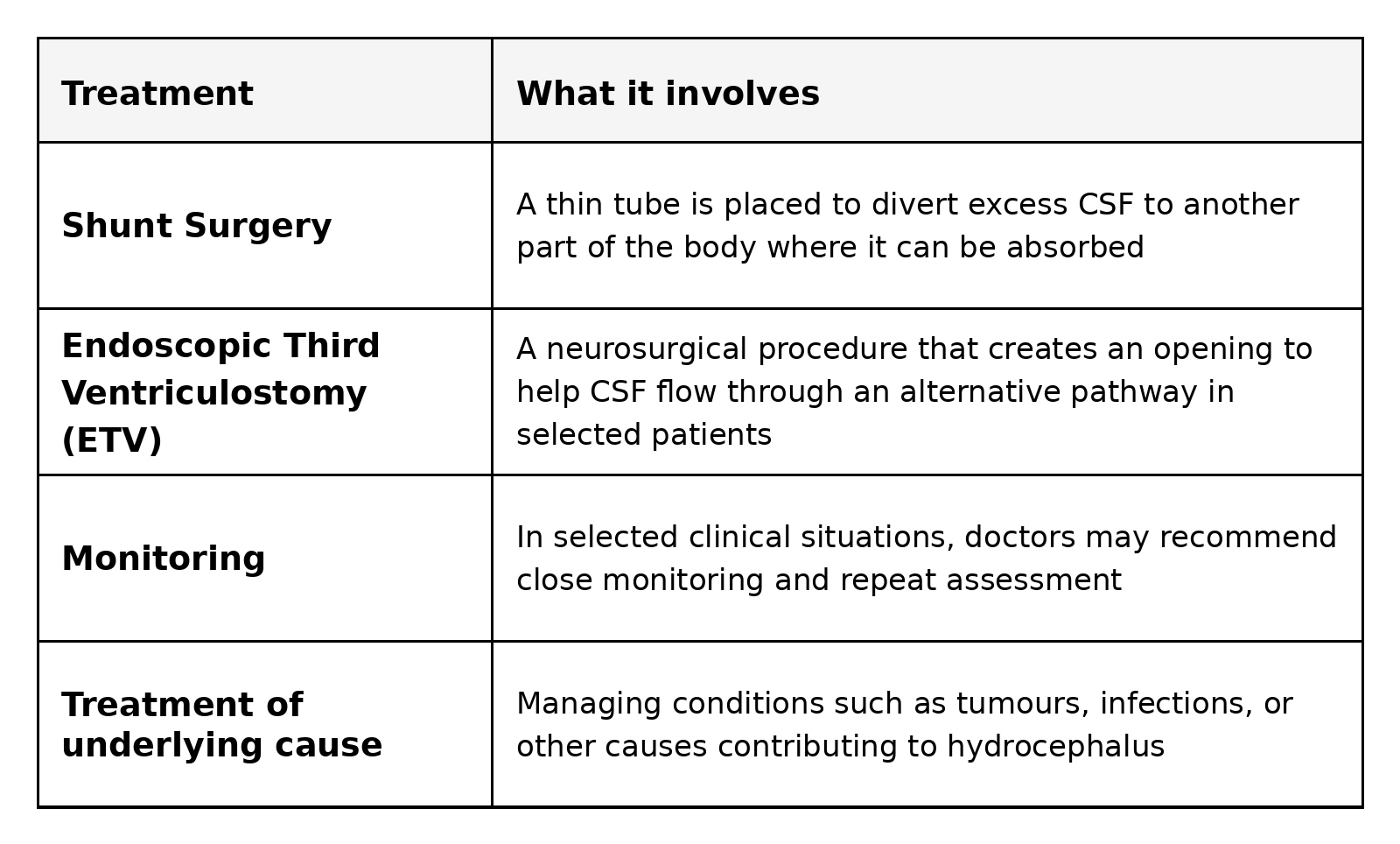
What Is a Shunt?
A shunt is a medical device used to drain excess cerebrospinal fluid from the brain. It commonly consists of a catheter and a valve that helps regulate fluid movement.
A ventriculoperitoneal (VP) shunt is one of the commonly used types. It generally moves fluid from the brain's ventricles to the abdomen, where it can be absorbed.
Shunt placement may help reduce excess fluid accumulation and relieve pressure. However, shunts can sometimes develop complications such as blockage, infection, or malfunction, which may require medical attention.
What Is Endoscopic Third Ventriculostomy (ETV)?
ETV is a surgical procedure in which a neurosurgeon creates a small opening in the floor of a ventricle to help cerebrospinal fluid bypass a blockage and flow through an alternative route.
ETV may be suitable for selected patients depending on the cause and anatomy of the hydrocephalus. It is not appropriate for every patient, and the treatment choice is made after detailed evaluation.
Hydrocephalus: Warning Signs, Complications & Essential Care
Hydrocephalus can become serious if excess cerebrospinal fluid continues to accumulate and affects the brain. Recognising symptoms early and seeking medical attention can help prevent complications and support better treatment outcomes.
Warning Signs That Need Medical Attention
Seek prompt medical evaluation if you or your child experience:
- Persistent or worsening headaches
- Repeated vomiting without a clear reason
- Blurred vision or other visual changes
- Difficulty walking or sudden balance problems
- Unusual drowsiness or reduced alertness
- Sudden confusion or changes in behaviour
- Seizures
- Rapid enlargement of the head in an infant
- New difficulty with memory, walking, or bladder control in an older adult
Sudden severe headache, repeated vomiting, reduced consciousness, new seizures, or rapidly worsening neurological symptoms may require emergency medical attention.
Care After Hydrocephalus Treatment
Patients who have undergone shunt surgery or another procedure for hydrocephalus may require ongoing medical follow-up.
Important aspects of care may include:
- Attend regular appointments with your neurosurgeon.
- Watch for changes in headache, vomiting, alertness, or behaviour.
- Report new balance, walking, or vision problems.
- Follow post-operative instructions carefully.
- Do not ignore symptoms that may indicate shunt blockage or infection.
- Ensure children receive appropriate developmental and rehabilitation support when required.
Hydrocephalus management may involve long-term follow-up, especially for patients with shunts. Early recognition of new symptoms is important even after treatment.
Care at Global
Hydrocephalus Care at Global Neuro & Spine Care
A diagnosis of hydrocephalus can be overwhelming for patients and families. Understanding the condition, available treatment options, and the importance of follow-up can make the journey easier to navigate.
At Global Neuro & Spine Care, our platform helps patients connect with neuro and spine specialists and access guidance for neurological conditions affecting the brain, nerves, and spine.
Patients with suspected hydrocephalus, persistent headaches, walking difficulties, memory changes, or symptoms following a brain injury may need specialist evaluation to understand the underlying cause.
How Global Neuro & Spine Care Can Help
- Connect with neurospecialists: Seek specialist guidance for brain-related conditions.
- Digital-first consultation: Explore convenient consultation options from your location.
- Understand your diagnosis: Get guidance regarding symptoms, investigations, and treatment options.
- Navigate treatment decisions: Understand when further imaging, hospital evaluation, or neurosurgical intervention may be necessary.
- Support your care journey: Access guidance to help you make informed decisions about neurological health.
Hydrocephalus requires condition-specific medical evaluation. Treatment depends on the patient's age, symptoms, cause, severity, and brain imaging findings.
If you or your family member is experiencing symptoms suggestive of hydrocephalus, do not delay seeking medical advice.
Early evaluation. Expert guidance. Better-informed neurological care.
Conclusion
Hydrocephalus is a neurological condition that requires timely diagnosis and appropriate treatment. It can affect infants, children, adults, and older people, with symptoms ranging from headaches and vomiting to difficulty walking, memory changes, and vision problems. Treatment may involve shunt surgery or endoscopic procedures, depending on the cause and clinical condition. Recognising symptoms early and consulting a neurospecialist can help prevent complications and support better neurological care.
Frequently Asked Questions (FAQs)
1. Is hydrocephalus a serious brain condition?
Yes. Hydrocephalus can be serious because excess cerebrospinal fluid may put pressure on the brain and affect its functioning. Without appropriate treatment, it may cause permanent neurological damage and can become life-threatening.
2. Can hydrocephalus be treated without surgery?
Treatment depends on the type, cause, and severity of hydrocephalus. In many cases, surgical treatment such as shunt placement or endoscopic third ventriculostomy may be required. The neurosurgeon determines the appropriate treatment based on the patient's condition.
3. What are the early symptoms of hydrocephalus in adults?
Early symptoms may include persistent headaches, nausea, difficulty walking, balance problems, blurred vision, or changes in concentration and memory. Older adults may also develop urinary urgency or difficulty controlling urination.
4. What is a VP shunt, and why is it needed?
A ventriculoperitoneal (VP) shunt is a medical device that helps drain excess cerebrospinal fluid from the brain to the abdomen, where it can be absorbed. It is used to manage hydrocephalus and help prevent harmful fluid accumulation.
5. Can hydrocephalus occur in elderly people?
Yes. Hydrocephalus can occur in older adults, including a condition called normal pressure hydrocephalus. It may cause difficulty walking, changes in memory or thinking, and urinary problems. These symptoms should be evaluated because some patients may benefit from treatment.