Brain Stroke
Overview Brain Stroke is a serious medical condition that occurs when blood flow to part of the brain is interrupted or when bleeding occurs inside or around the brain. The brain depends on a continuous supply of oxygen-rich blood to control important functions such as movement,…
Symptoms & Causes
Overview
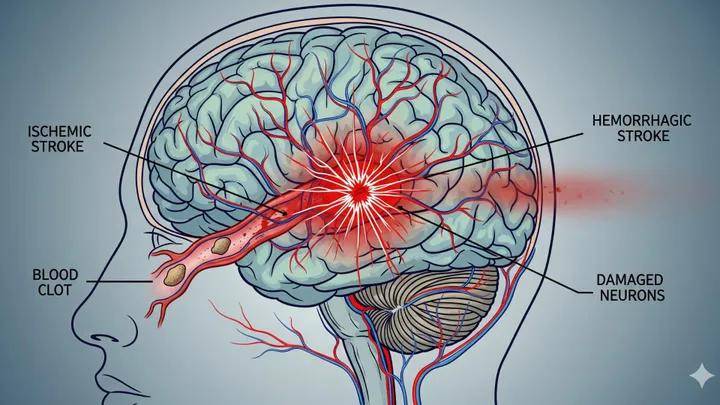
Brain Stroke is a serious medical condition that occurs when blood flow to part of the brain is interrupted or when bleeding occurs inside or around the brain. The brain depends on a continuous supply of oxygen-rich blood to control important functions such as movement, speech, memory, vision, balance, and coordination.
A stroke can occur suddenly and may affect a person's ability to walk, speak, understand, or perform everyday activities. Some patients may recover significantly with timely treatment, while others may experience long-term disabilities.
Recognising stroke symptoms early, getting emergency medical attention, and starting appropriate treatment as quickly as possible can make a significant difference to a patient's recovery and quality of life.
What Is Brain Stroke and What Are Its Symptoms?
A brain stroke occurs when the blood supply to an area of the brain is interrupted or when a blood vessel ruptures and causes bleeding. When brain cells do not receive enough oxygen, they begin to become damaged.
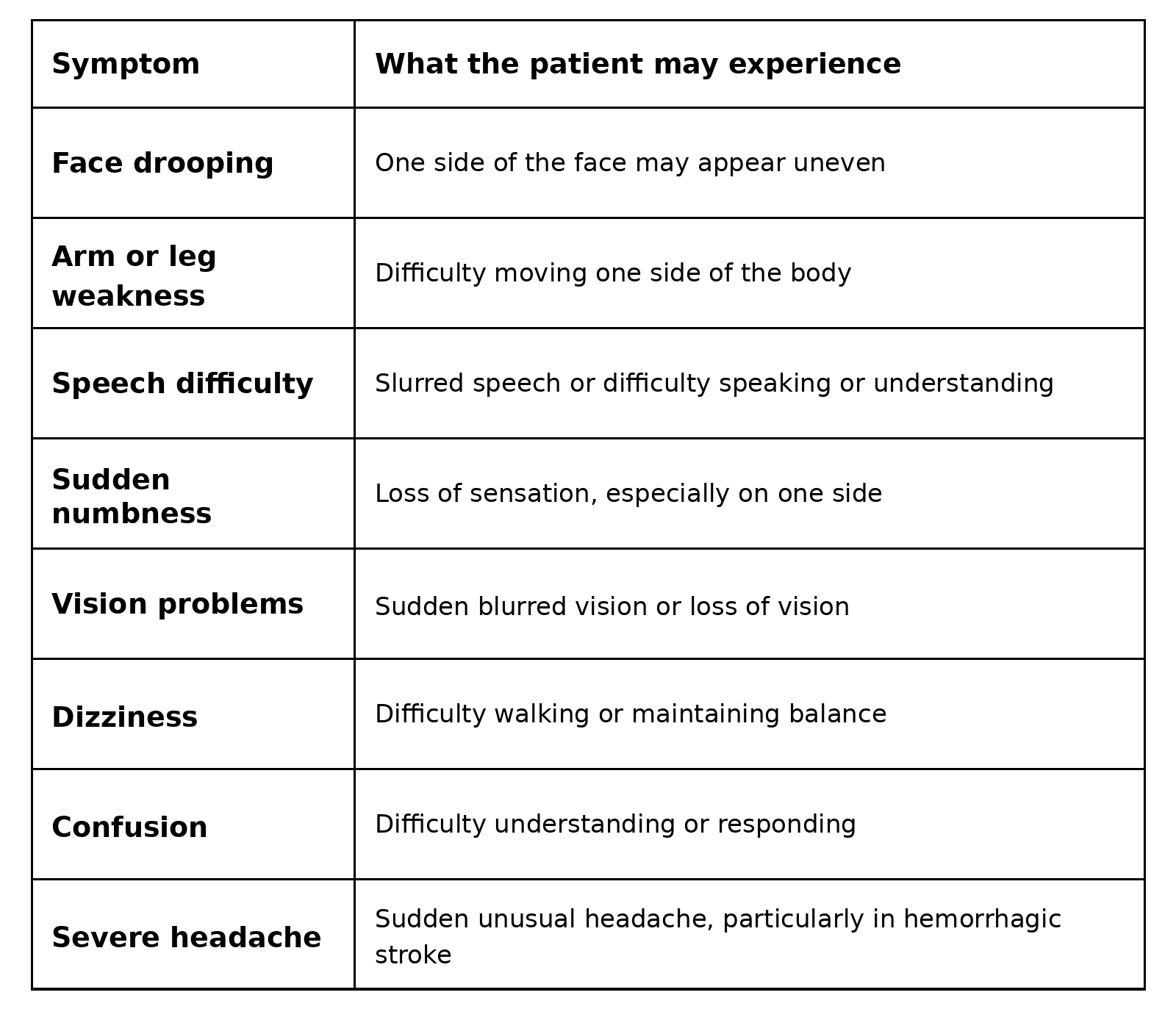
The symptoms of stroke depend on which part of the brain is affected. Symptoms often appear suddenly and can range from mild weakness to severe neurological impairment.
Common symptoms of Brain Stroke
Recognise stroke with the FAST Test
F – Face
Does one side of the face droop?
A – Arms
Can both arms be raised equally?
S – Speech
Is speech slurred or difficult to understand?
T – Time
Seek emergency medical help immediately.
If someone suddenly develops face drooping, arm weakness, speech difficulty, vision problems, or severe dizziness, seek emergency medical care immediately. Do not wait for symptoms to improve.
What Causes Brain Stroke and Who Is at Risk?
A brain stroke occurs when the blood supply to the brain is blocked or when a blood vessel ruptures. The underlying cause determines the type of stroke and the treatment required.
Major causes of brain stroke
- Blood clot: A clot blocks an artery supplying blood to the brain.
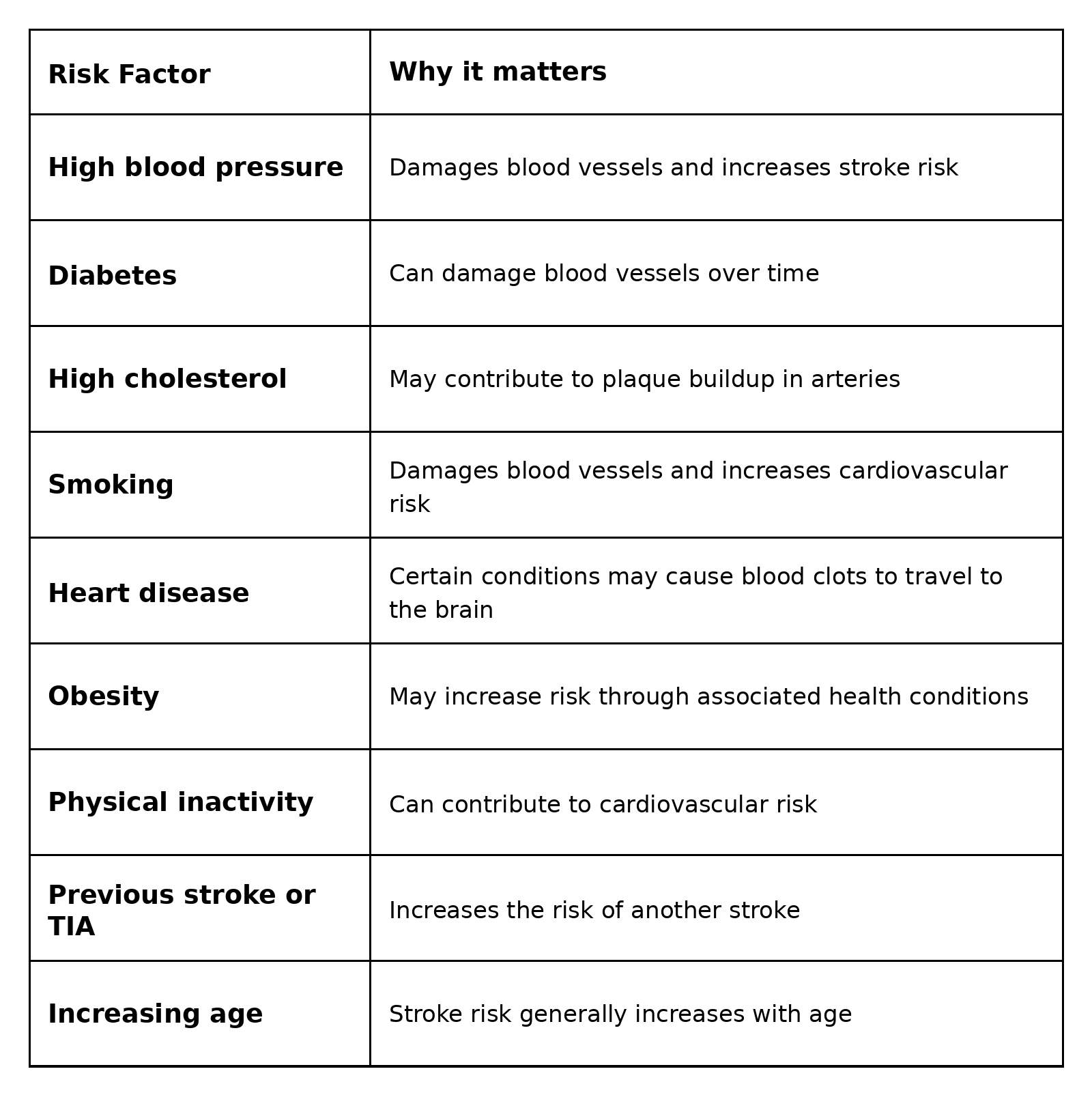
- Narrowed arteries: Plaque buildup can reduce blood flow and increase the risk of blockage.
- High blood pressure: Long-standing hypertension can damage blood vessels and increase the risk of both types of stroke.
- Heart-related blood clots: Certain heart conditions may allow clots to travel to the brain.
- Ruptured blood vessels: Weak blood vessels, aneurysms, or vascular abnormalities may cause bleeding.
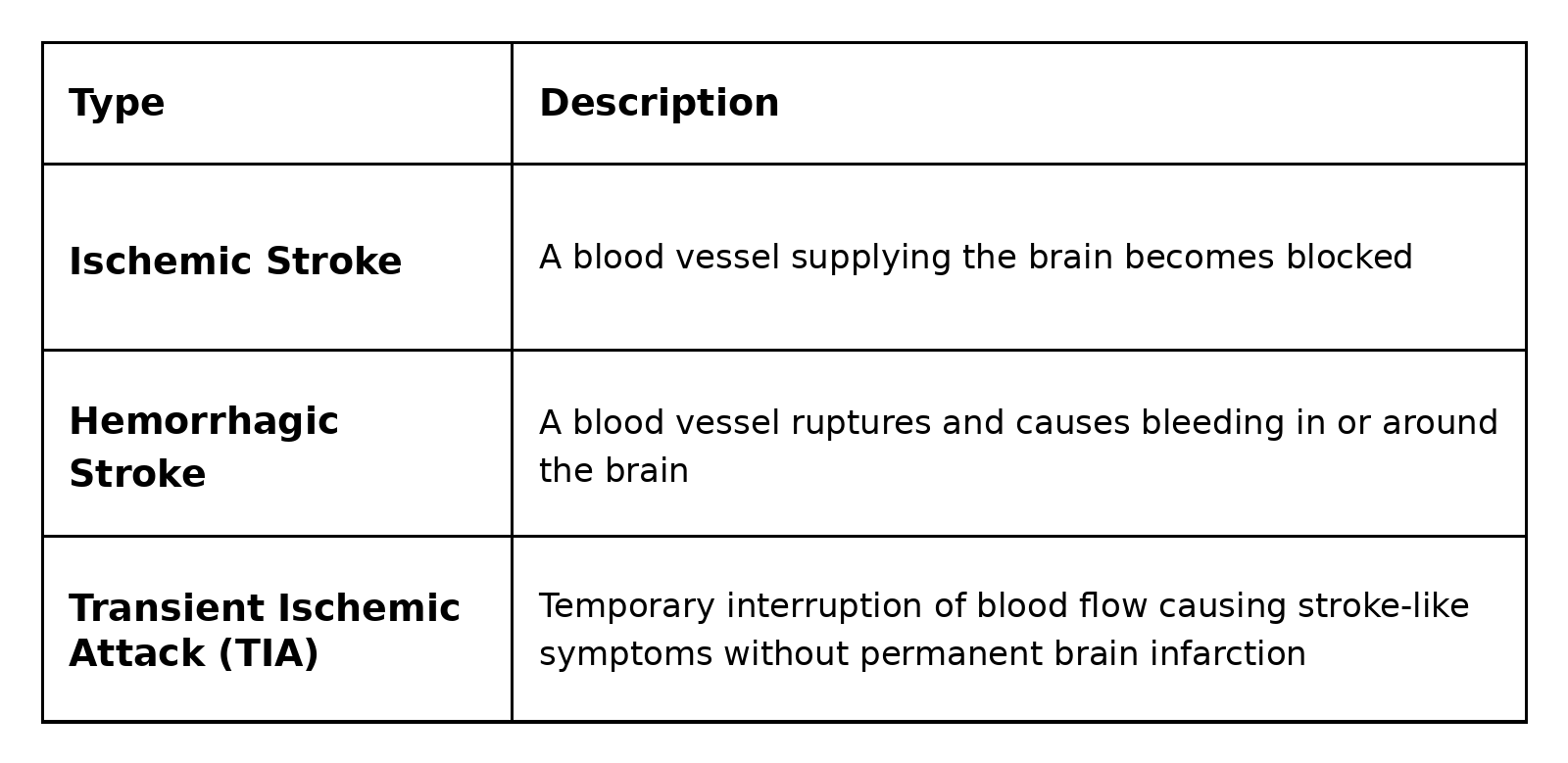
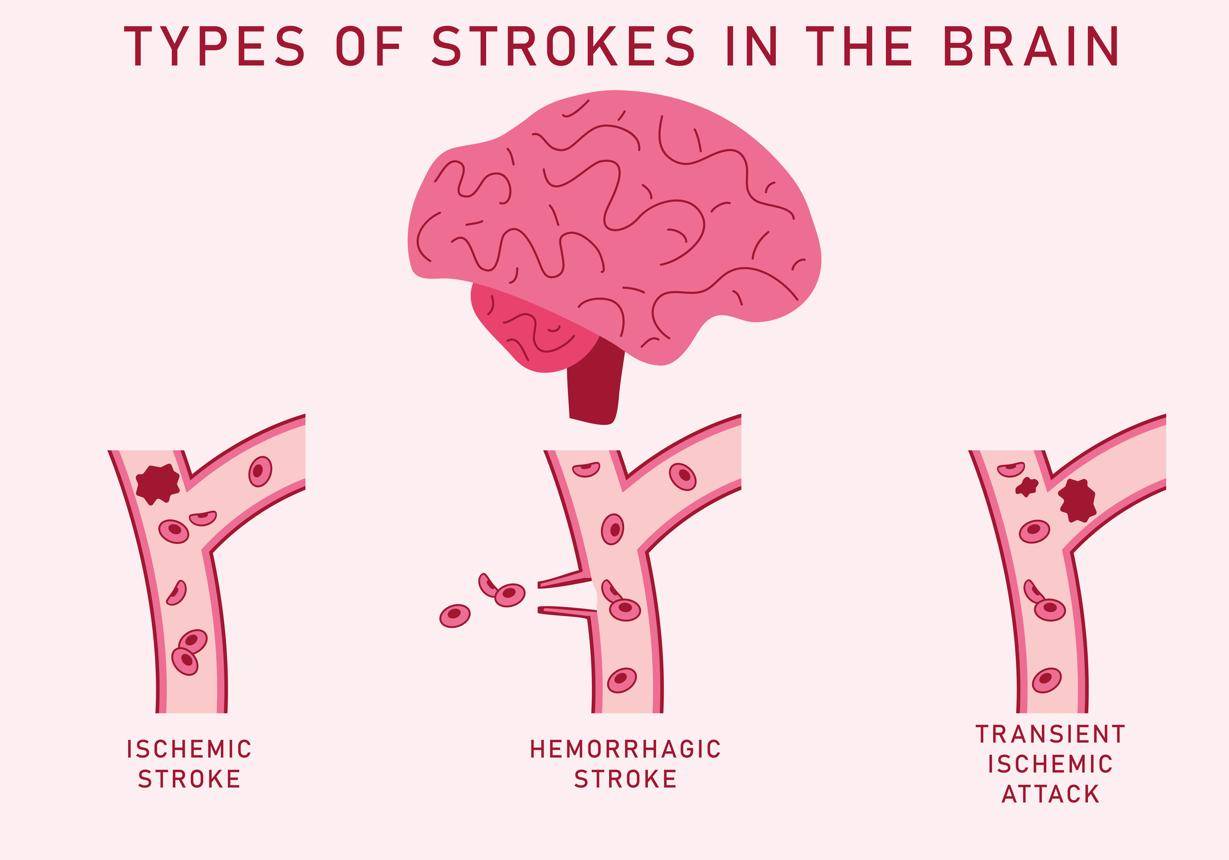
Types of brain stroke
Risk factors for Brain Stroke
Diagnosis & Treatments
How Is Brain Stroke Diagnosed and Treated?
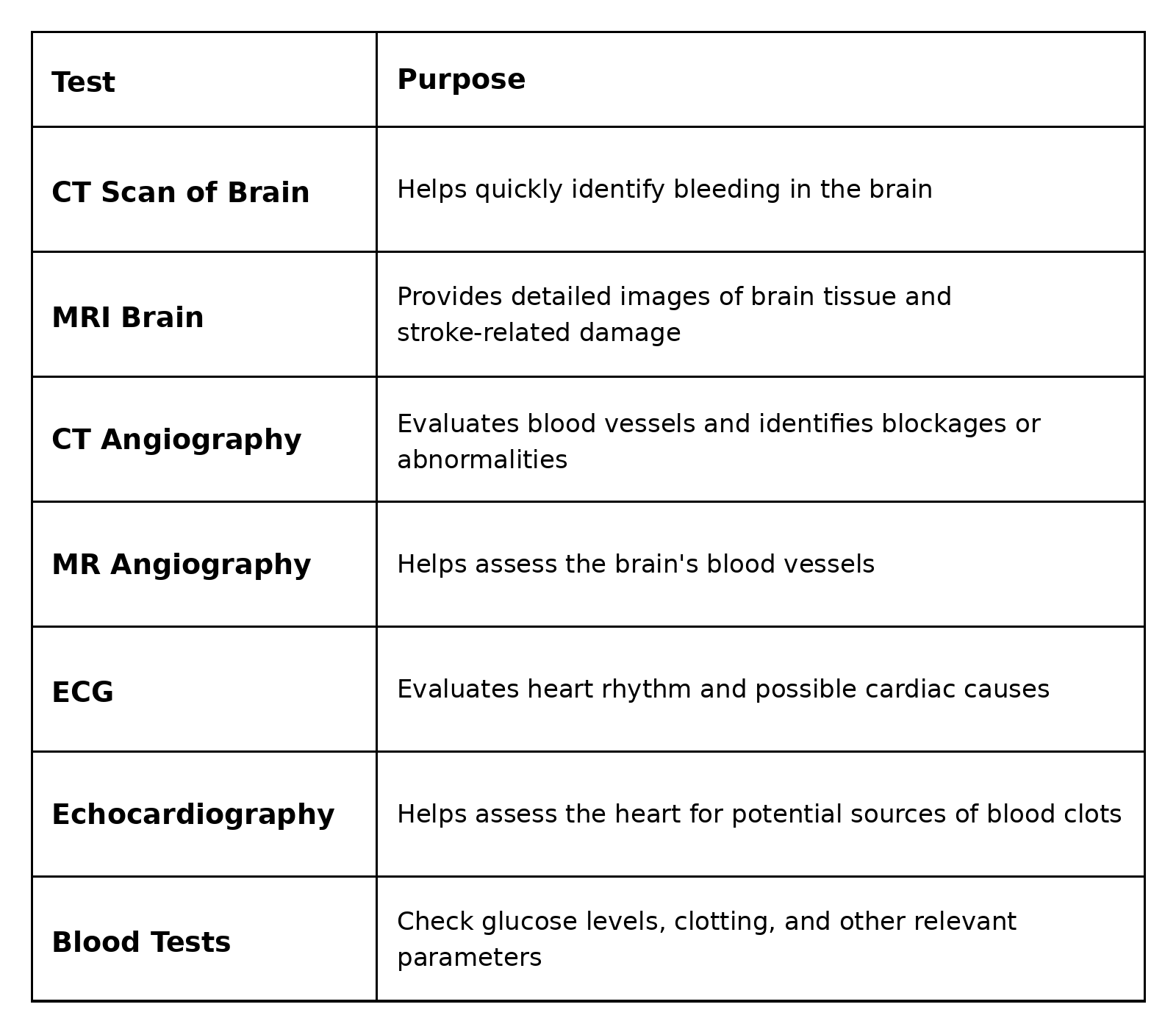
Brain stroke requires immediate medical evaluation. Doctors must determine whether the stroke is caused by a blocked blood vessel or bleeding in the brain because the treatments for these conditions are very different.
Diagnostic tests for brain stroke
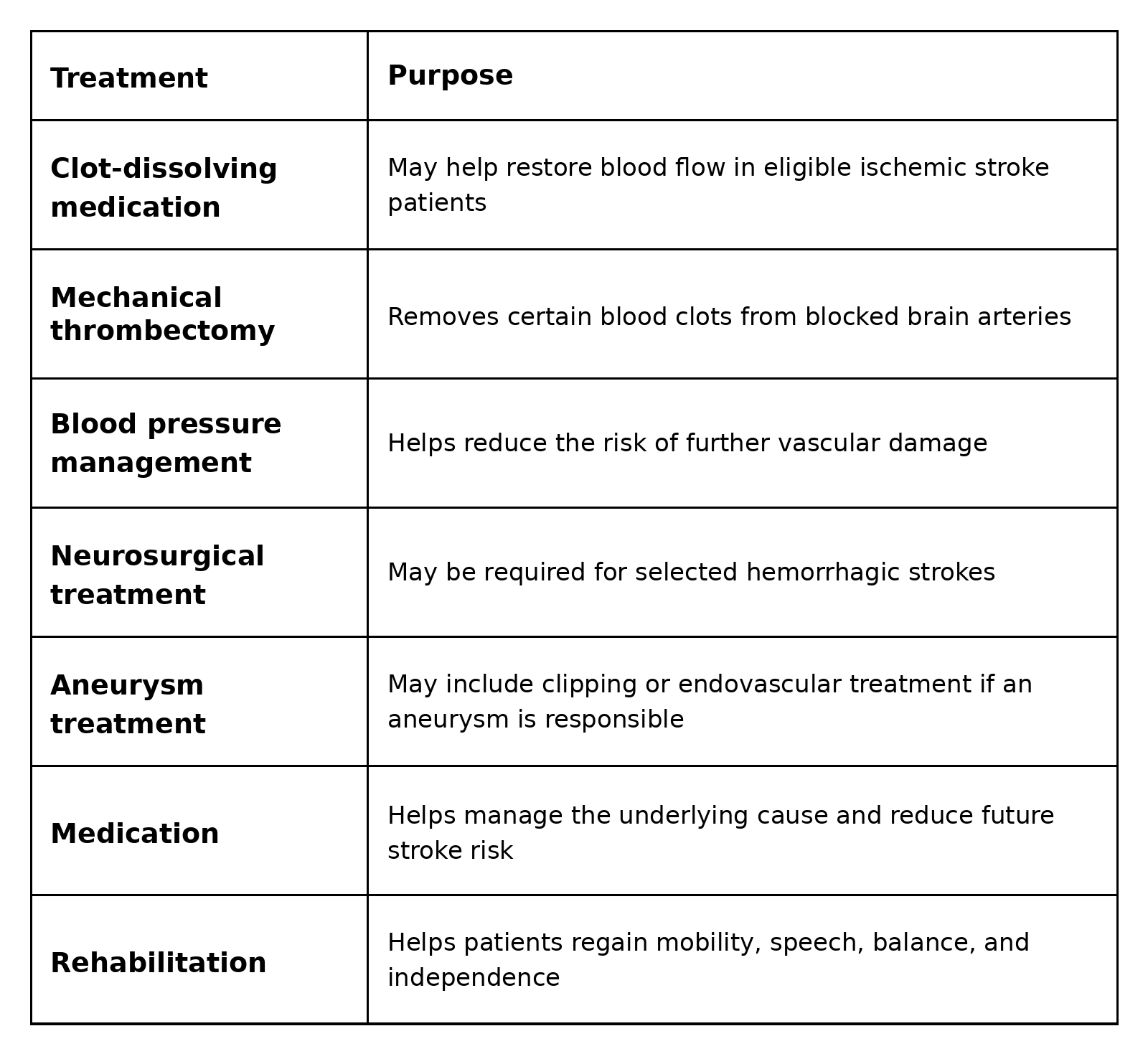
Treatment options for brain stroke
Treatment depends on the type of stroke, the time since symptoms began, the location of the brain injury, and the patient's overall condition.
Why early treatment is important
Stroke treatment is time-sensitive. In selected patients with ischemic stroke, doctors may use clot-dissolving medicines or mechanical thrombectomy to restore blood flow.
In hemorrhagic stroke, treatment focuses on controlling bleeding, managing pressure inside the brain, and treating the cause of the bleeding.
Every minute matters. If stroke is suspected, seek emergency medical care immediately.
Brain Stroke : Recovery, Rehabilitation & Prevention
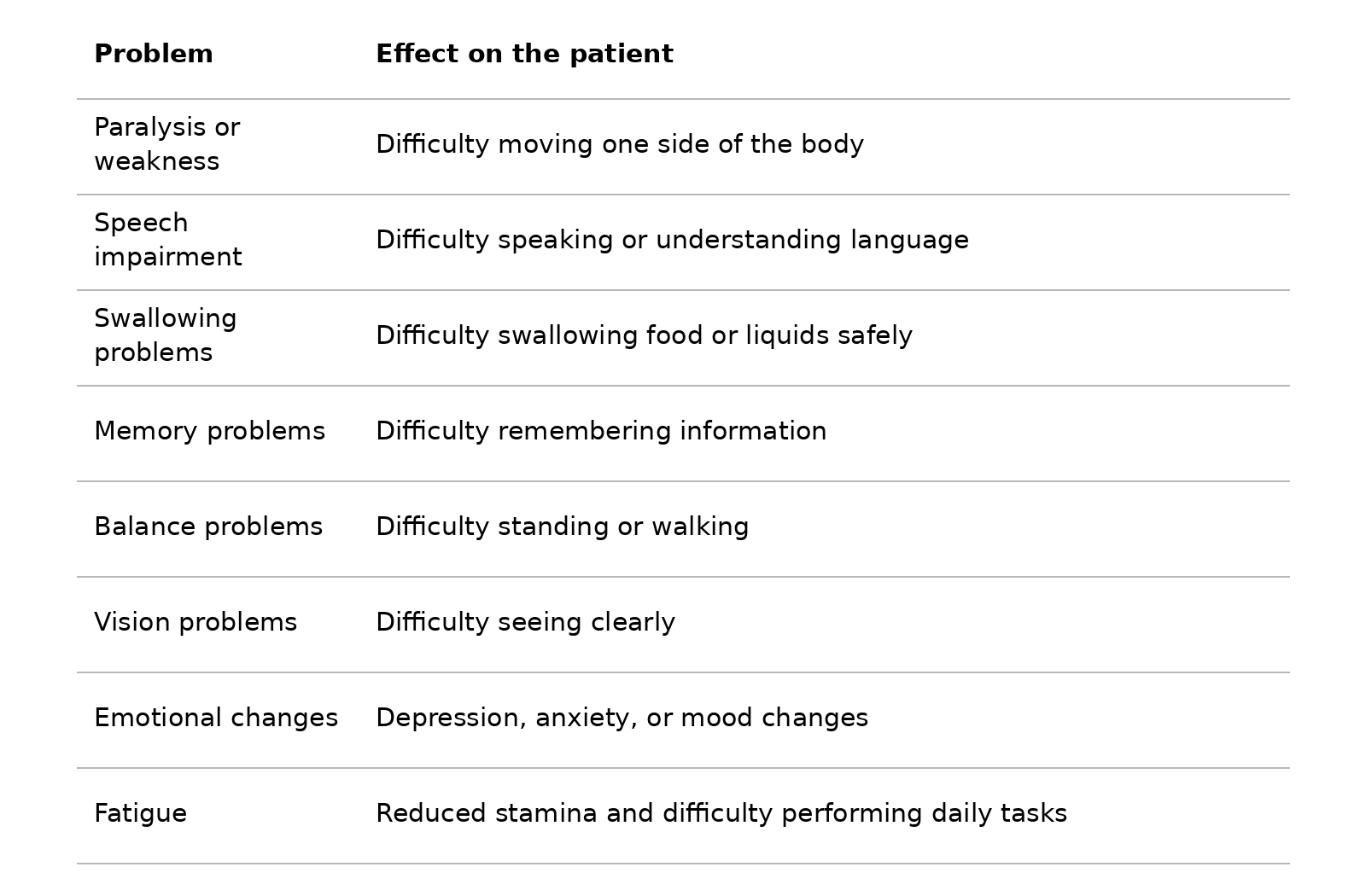
Recovery after a brain stroke varies significantly from one patient to another. Some patients may recover most of their abilities, while others may require long-term assistance with daily activities.
The recovery process depends on the area of the brain affected, the severity of the stroke, the time taken to receive treatment, the patient's general health, and rehabilitation support.
Common problems after a brain stroke
Care at Global
Rehabilitation after brain stroke
Rehabilitation is an important part of the recovery journey.
- Physiotherapy: Helps improve strength, balance, movement, and walking.
- Speech therapy: Supports speech, communication, and swallowing.
- Occupational therapy: Helps patients perform daily activities more independently.
- Cognitive rehabilitation: Helps improve memory, attention, and problem-solving.
- Psychological support: Helps manage emotional and behavioural changes after stroke.
How can brain stroke be prevented?
Although not every stroke can be prevented, managing risk factors can significantly reduce the likelihood of a stroke.
- Keep blood pressure under control.
- Manage diabetes and cholesterol.
- Stop smoking.
- Maintain a healthy body weight.
- Eat a balanced and heart-healthy diet.
- Stay physically active as advised by your doctor.
- Limit alcohol consumption.
- Take prescribed medications regularly.
- Attend routine health check-ups.
- Treat underlying heart conditions.
Brain Stroke Care at Global Neuro & Spine Care
A brain stroke can affect not only the patient but also the entire family. Patients may require emergency treatment, specialist care, rehabilitation, long-term monitoring, and support in managing neurological complications.
Global Neuro & Spine Care aims to help patients and families connect with neurological specialists and better understand their treatment and recovery journey.
Patients and caregivers may seek guidance regarding:
- Understanding stroke symptoms
- Neurological consultation
- Understanding CT and MRI reports
- Ischemic and hemorrhagic stroke treatment
- Neurosurgical consultation where required
- Post-stroke weakness and neurological complications
- Rehabilitation and recovery
- Preventing another stroke
Conclusion
Brain stroke is a serious medical emergency that occurs when blood flow to the brain is interrupted or when a blood vessel ruptures. It can affect movement, speech, vision, memory, balance, and a person's ability to live independently.
Recognising stroke symptoms early and seeking immediate medical attention can help reduce brain damage and improve outcomes. Appropriate treatment, rehabilitation, risk-factor management, and ongoing medical follow-up are important parts of recovery and prevention.
Frequently Asked Questions (FAQs)
1. What is a brain stroke?
A brain stroke occurs when blood supply to a part of the brain is interrupted or when a blood vessel ruptures and causes bleeding. This can damage brain cells and affect movement, speech, vision, memory, and other functions.
2. What are the first warning signs of brain stroke?
Common warning signs include sudden face drooping, weakness in one arm or leg, difficulty speaking, confusion, sudden vision problems, dizziness, and difficulty walking. Sudden severe headache may also occur, particularly in hemorrhagic stroke.
3. Is brain stroke curable?
Many stroke patients improve significantly with timely treatment and rehabilitation. Some may recover completely, while others may have lasting neurological problems. Recovery depends on the type and severity of stroke, the area of the brain affected, and how quickly treatment begins.
4. What is the difference between ischemic and hemorrhagic stroke?
Ischemic stroke occurs when a blood vessel supplying the brain becomes blocked, usually by a blood clot. Hemorrhagic stroke occurs when a blood vessel ruptures and causes bleeding in or around the brain. Both require emergency treatment, but their management is different.
5. Can brain stroke be prevented?
The risk of stroke can be reduced by controlling blood pressure, managing diabetes and cholesterol, avoiding smoking, maintaining a healthy weight, staying physically active, following a healthy diet, and treating underlying heart conditions.