Brain Cyst
Symptoms & Causes
Overview
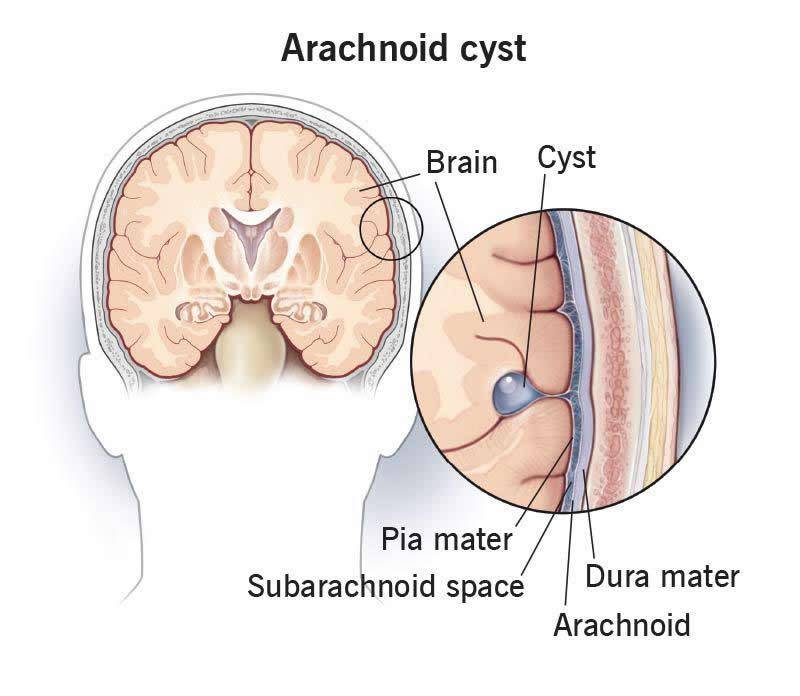
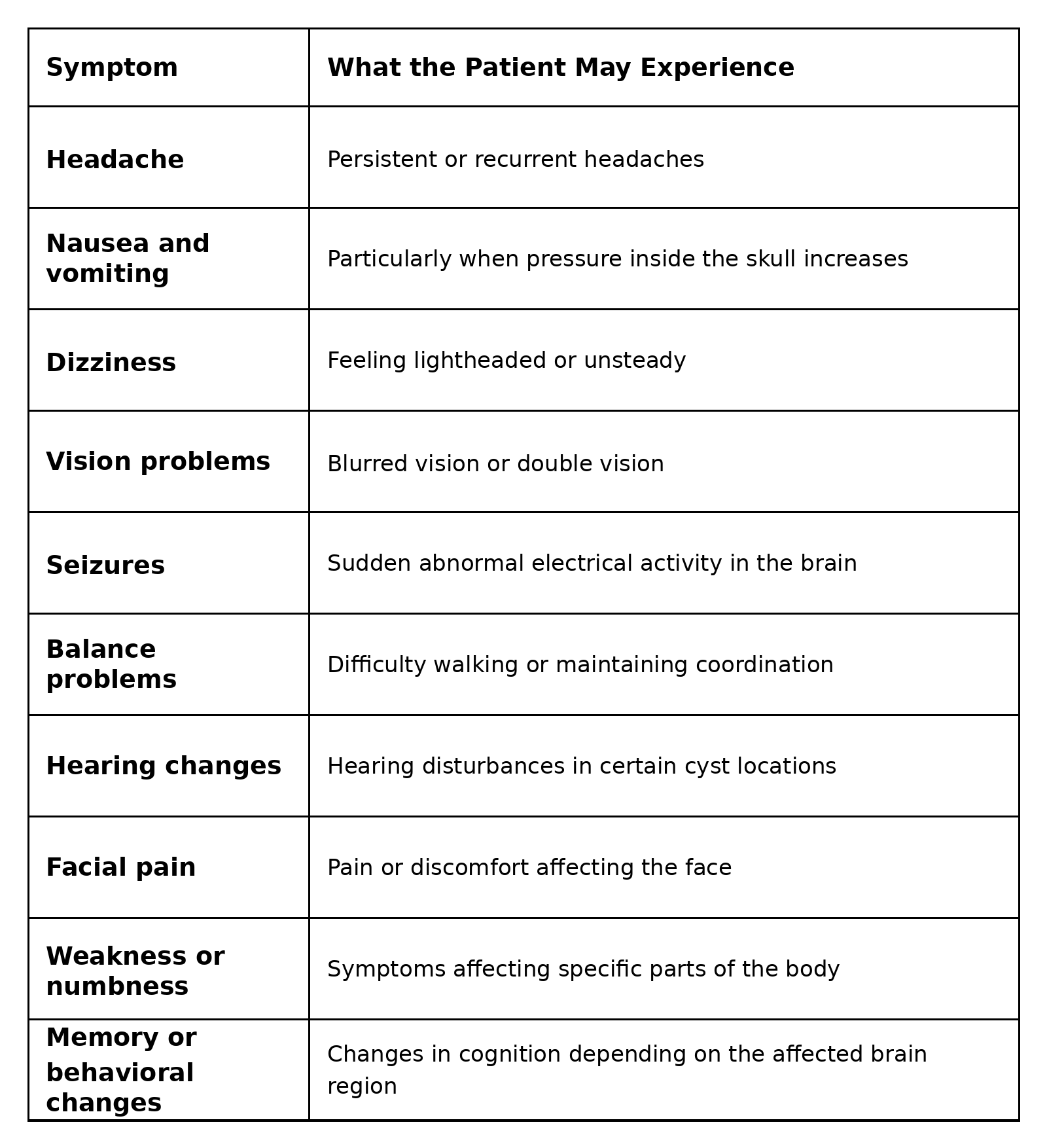
A brain cyst is a fluid-filled sac that develops in or around the brain. Brain cysts can be present from birth or develop due to infections, injuries, or other medical conditions. Many brain cysts are harmless and may not cause any symptoms. However, depending on their size, location, and growth, some cysts may put pressure on surrounding brain structures and affect neurological functions. Symptoms may include headaches, dizziness, seizures, vision problems, or difficulty maintaining balance. Early diagnosis and appropriate medical evaluation help determine whether the cyst requires monitoring or treatment.
What Is a Brain Cyst? Symptoms You Should Know
A brain cyst is an abnormal sac containing fluid or other material that forms within the brain or in the spaces surrounding it. Some cysts contain cerebrospinal fluid (CSF), while others may contain keratin, cellular material, or other substances.
Not every brain cyst is dangerous. Many are discovered accidentally during an MRI or CT scan performed for another reason. However, a cyst that grows, blocks the flow of cerebrospinal fluid, or compresses nearby brain tissue may cause symptoms.
Common symptoms of a brain cyst
When can a brain cyst become problematic?
A brain cyst may become concerning if:
- It increases in size.
- It compresses surrounding brain tissue.
- It obstructs the normal flow of cerebrospinal fluid.
- It causes increased pressure within the skull.
- It produces seizures or neurological symptoms.
Causes and Types of Brain Cysts
Brain cysts can develop for different reasons. Some are formed during fetal development, while others may develop later in life due to infection, injury, or abnormal tissue growth.
Common causes
- Congenital development: Some cysts form before birth due to changes during brain development.
- Head injury: Certain cysts may develop following trauma.
- Infection: Some cyst-like lesions may occur because of infections involving the brain.
- Abnormal tissue development: Certain types form when cells or tissues become trapped during development.
- Tumor-related changes: Some brain tumors may contain cystic components.
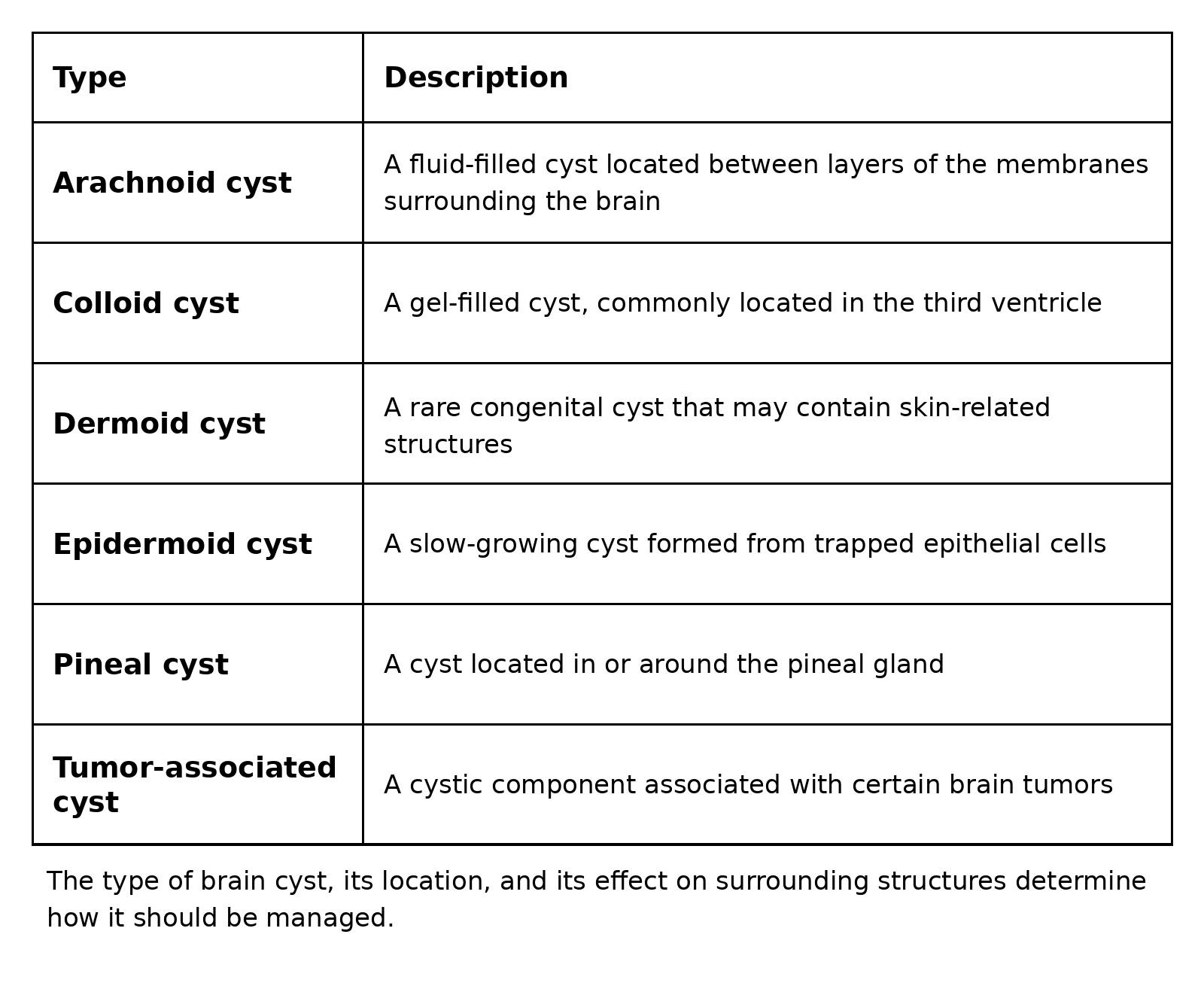
Diagnosis & Treatments
Diagnosis and Treatment of Brain Cysts
Brain cysts are often identified through brain imaging. Some are discovered accidentally, while others are investigated because a patient experiences headaches, seizures, visual changes, or neurological symptoms.
How is a brain cyst diagnosed?
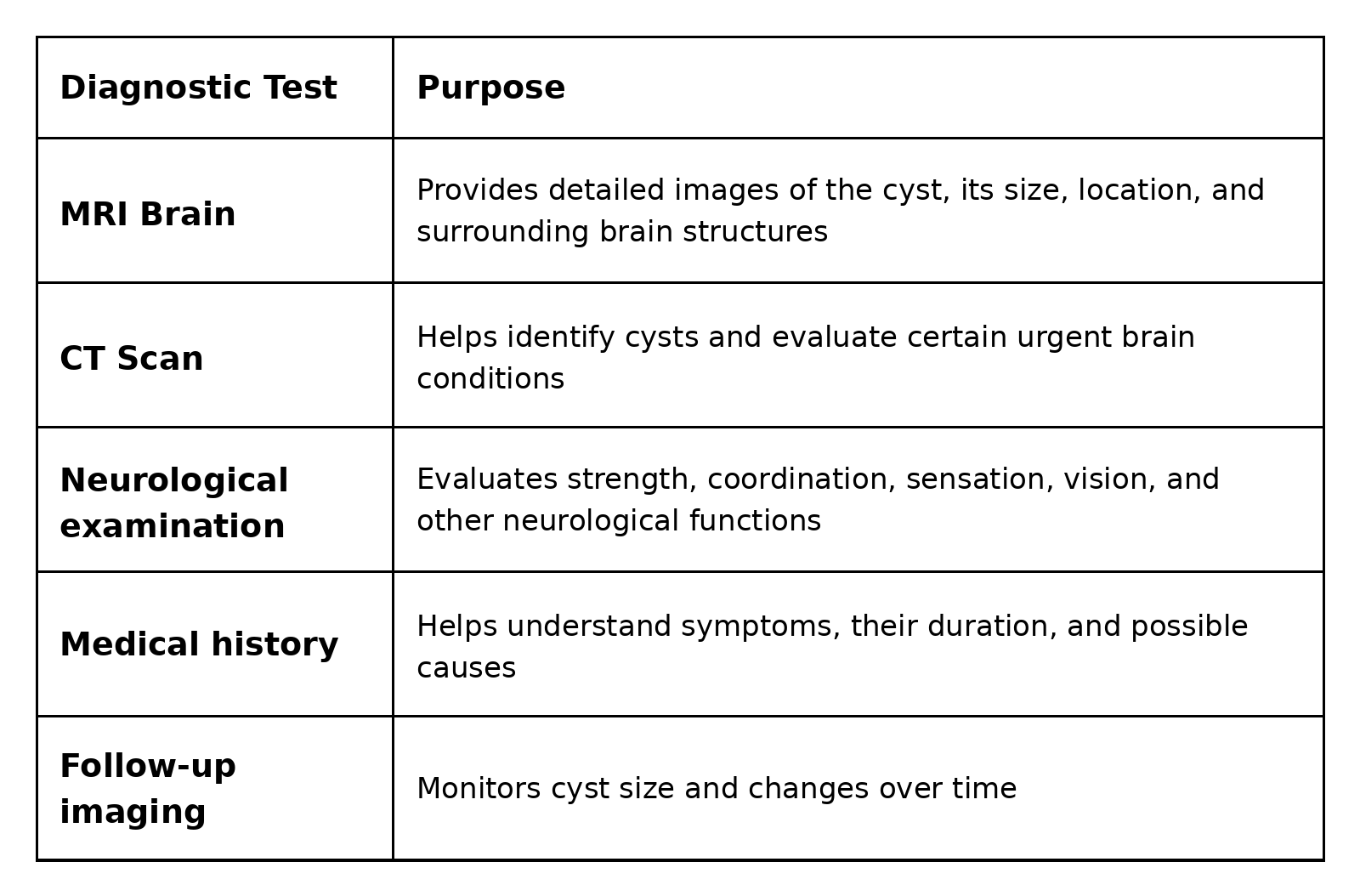
MRI is particularly useful for understanding the cyst's relationship with surrounding brain tissue and important neurological structures.
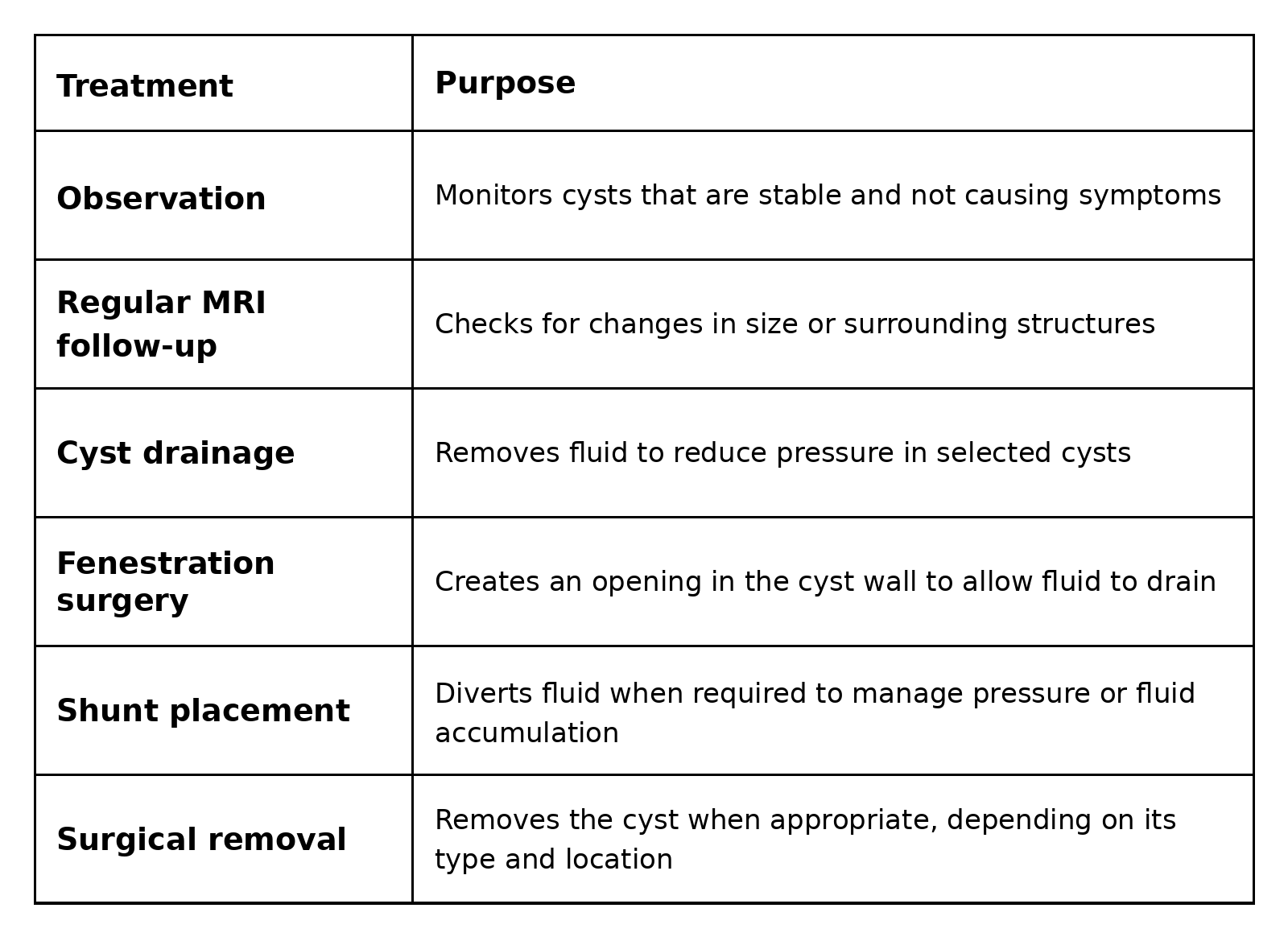
Brain cyst treatment options
Not every brain cyst requires surgery or medical treatment. The decision depends on the cyst type, size, location, growth, symptoms, and whether it is affecting the normal flow of cerebrospinal fluid.
Recovery, Follow-Up and Living With a Brain Cyst
Recovery and long-term care depend on whether the brain cyst requires observation, medication, or surgery. Patients with small, stable cysts may continue their normal daily activities, while those with symptomatic cysts may require treatment and rehabilitation.
Important care and follow-up tips
- Attend regular follow-ups: Follow the recommended schedule for MRI or other imaging.
- Monitor symptoms: Report changes in headaches, vision, balance, memory, or movement.
- Follow activity guidance: Ask your doctor about exercise, driving, and activities involving physical strain.
- Take prescribed medications correctly: Do not stop or change medications without medical advice.
- Maintain a healthy routine: Adequate sleep, nutrition, hydration, and appropriate activity support general health.
- Keep medical records: Maintain copies of MRI scans, reports, and previous consultations to help doctors assess changes over time.
When is a brain cyst an emergency?
Seek emergency medical care if you experience:
- A sudden, severe headache
- A new seizure
- Repeated vomiting with severe headache
- Sudden loss of vision
- Sudden weakness or paralysis
- Loss of consciousness
- Sudden difficulty speaking
- Rapidly worsening confusion
These symptoms may indicate increased pressure inside the skull or another serious neurological condition.
Care at Global
Can a Brain Cyst Go Away Without Surgery?
Some brain cysts remain stable for years and never cause symptoms. In such cases, a doctor may recommend observation rather than surgery. This approach may involve periodic MRI scans and clinical follow-up to check whether the cyst is changing.
However, cysts that grow, cause pressure on the brain, obstruct cerebrospinal fluid flow, or produce neurological symptoms may require treatment. Depending on the cyst type, treatment may involve drainage, fenestration, shunt placement, or surgical removal.
The important point is that having a brain cyst does not automatically mean that surgery is necessary. The treatment decision should be based on a specialist's assessment of the cyst and the patient's symptoms.
At Global Neuro & Spine Care, patients can seek guidance regarding neurological symptoms, brain imaging findings, specialist evaluation, and appropriate treatment pathways.
Explore our Neurosurgeon Consultation service for specialist guidance.
Conclusion
A brain cyst is a fluid-filled sac that may develop within or around the brain. Many brain cysts are harmless and require only monitoring, while some may cause symptoms because of their size, location, or pressure on nearby structures. Understanding the type of cyst and seeking timely specialist evaluation are important for deciding the right treatment. Early assessment can help protect neurological function and improve patient outcomes.
Frequently Asked Questions (FAQs)
1. Is a brain cyst dangerous?
Not all brain cysts are dangerous. Many are benign, remain stable, and do not cause symptoms. However, a cyst may become serious if it grows, presses on important brain structures, blocks cerebrospinal fluid flow, or causes seizures or neurological problems. Its location and size are important in determining the risk.
2. Can a brain cyst be treated without surgery?
Yes. Many brain cysts do not require surgery and can be monitored with regular MRI scans. If the cyst is not growing and is not causing symptoms or pressure on the brain, a doctor may recommend observation. Treatment is considered if the cyst causes symptoms, grows, or affects normal brain functions.
3. What are the symptoms of a brain cyst?
Symptoms may include headaches, nausea, vomiting, dizziness, seizures, vision changes, hearing problems, balance difficulties, weakness, or numbness. Some brain cysts cause no symptoms at all. The symptoms depend mainly on the cyst's size, location, and whether it affects surrounding brain tissue or fluid circulation.
4. Can a brain cyst cause seizures?
Yes. Certain brain cysts may irritate or compress surrounding brain tissue and contribute to seizures. However, not every brain cyst causes seizures. If someone experiences a first-time seizure, they should receive prompt medical evaluation to identify the cause.
5. Does every brain cyst need to be removed?
No. Surgery is not necessary for every brain cyst. Doctors may recommend observation for cysts that are stable and asymptomatic. Surgery may be considered when a cyst causes neurological symptoms, increases in size, creates pressure, or interferes with cerebrospinal fluid circulation.