Alcohol and Brain & Spine Health: What Every Drink May Be Doing
How Does Alcohol Affect the Brain?
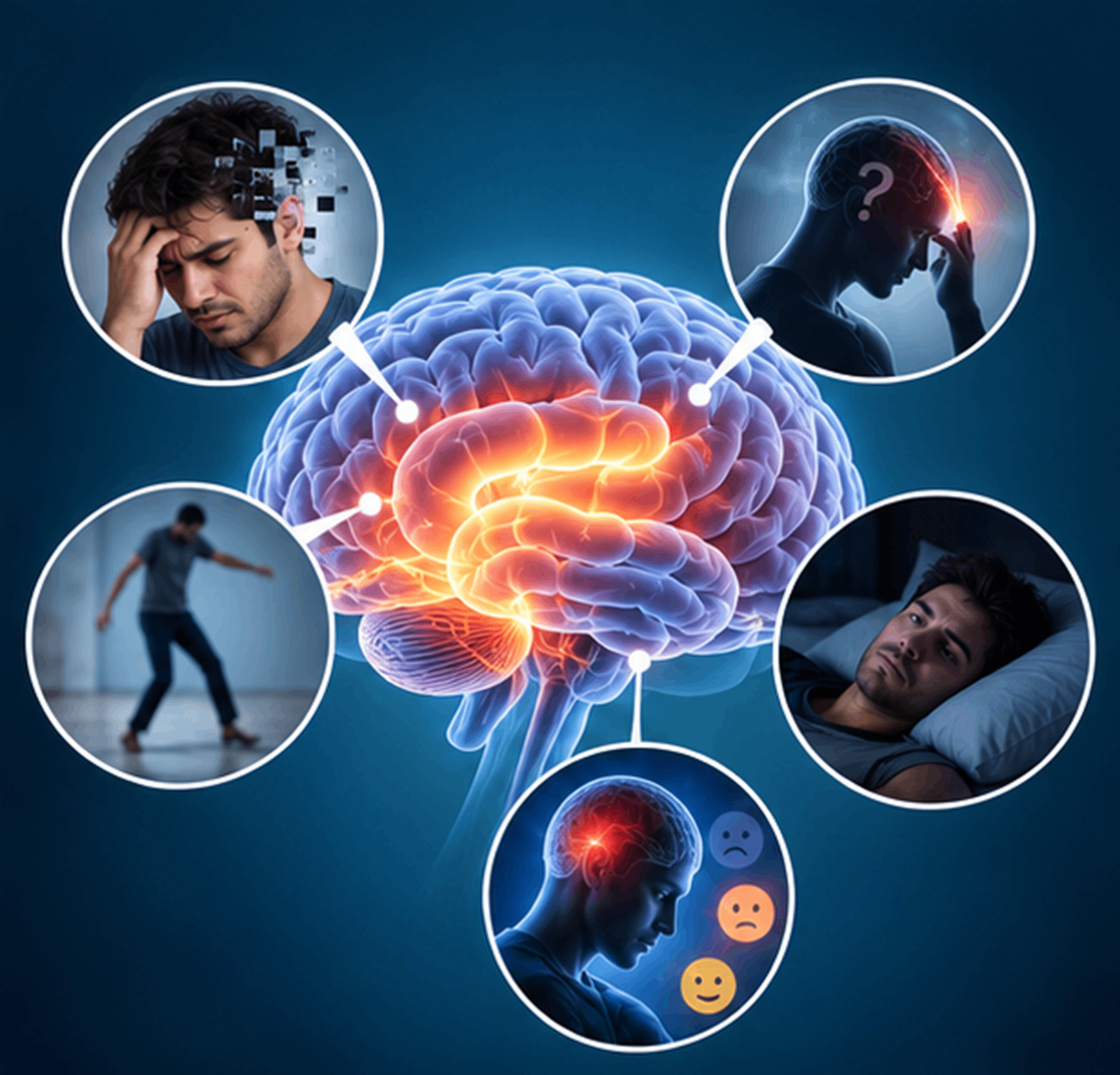
Alcohol interferes with the communication pathways used by brain cells. Even during a single drinking session, it can make it more difficult for areas controlling judgment, speech, memory, balance and coordination to function normally. Long-term heavy alcohol intake may also cause structural and functional changes in brain cells. (NIAAA)
1. Slower thinking and impaired judgment
Alcohol acts on the central nervous system and can slow reaction time, reduce concentration and impair decision-making. This is why activities such as driving, climbing stairs or operating machinery become particularly dangerous after drinking.
2. Memory problems and alcohol-related blackouts
Drinking a large quantity of alcohol over a short period may prevent the brain from forming new memories. A person experiencing an alcohol blackout may remain awake and active but later be unable to remember what happened. Blackouts are associated with a substantially greater risk of accidents, injuries and unsafe decisions. (NIAAA)
3. Poor balance and coordination
The cerebellum helps control posture, balance and coordinated movement. Alcohol temporarily interferes with these functions, producing the familiar unsteady walk associated with intoxication.
Repeated heavy drinking may contribute to longer-lasting problems with gait and balance. For someone already experiencing vertigo, leg weakness, neuropathy or a spine disorder, alcohol may make mobility even less reliable. (PMC)
4. Disturbed sleep and mental fatigue
Alcohol may make you fall asleep faster, but it does not necessarily provide healthy, restorative sleep. It can fragment sleep and cause early awakening, leaving you tired, unfocused and irritable the following day. (NIAAA)
Poor sleep can also amplify the perception of neck pain, back pain and headaches. In other words, alcohol may help you “switch off” briefly while making the next morning considerably less cheerful.
5. Mood, behaviour and dependence
Alcohol can affect brain circuits involved in motivation, impulse control, attention, emotional regulation and decision-making. With repeated heavy use, these changes may contribute to alcohol dependence and make it harder to reduce drinking without professional support. (NIAAA)
Can Alcohol Damage the Nerves?
Yes. Long-term excessive drinking may cause alcohol-related peripheral neuropathy, sometimes called alcoholic neuropathy.
This condition can result from the direct toxic effects of alcohol on nerves, nutritional deficiencies associated with heavy drinking, or a combination of both. Common alcoholic neuropathy symptoms include:
- Burning pain in the feet or legs
- Tingling or “pins and needles”
- Numbness in the hands or feet
- Muscle weakness
- Poor balance or an unsteady walk
- Increased sensitivity to touch
Alcohol-related neuropathy usually affects the legs first and may gradually interfere with walking and everyday activities. (NCBI)
People experiencing persistent tingling, numbness, burning feet or unexplained leg weakness should consult a neurologist rather than assuming that the symptoms are simply due to tiredness or ageing.
How Does Alcohol Affect Spine Health?
Alcohol does not usually “damage the spine” in one simple, direct way. However, it can affect several systems that support and protect the spine.
Alcohol, bone health and osteoporosis
Chronic excessive alcohol use is associated with weaker bones and an increased risk of osteoporosis. Osteoporosis makes bones fragile and can increase the likelihood of fractures, including compression fractures of the vertebrae. (nhs.uk)
A vertebral compression fracture may cause sudden back pain, loss of height, a stooped posture or persistent difficulty standing and walking.
Falls, head injuries and spinal injuries
Alcohol reduces coordination, balance and reaction speed. It may therefore increase the risk of falling from stairs, slipping in the bathroom or being involved in a road accident.
Falls involving alcohol have also been associated with more frequent and more serious head injuries. (CDC Stacks)
For older adults, people with weak bones, and those already living with a neurological or spinal condition, even a seemingly minor fall can have major consequences.
Alcohol and back pain
Patients frequently search for answers to questions such as “Does alcohol cause back pain?” or “Why does my back hurt after drinking alcohol?”
Alcohol is not a universal cause of back pain, but it may indirectly worsen symptoms by disturbing sleep, contributing to dehydration, reducing activity quality, increasing inflammation-related discomfort in some individuals, or encouraging prolonged sitting in poor posture. It may also interact with medicines used for back pain.
Back pain after drinking should not automatically be blamed on alcohol, especially when the pain is severe, recurrent or accompanied by weakness, numbness, fever, urinary symptoms or unexplained weight loss.
Alcohol and Pain Medicines: A Risky Combination
Mixing alcohol with sedatives, sleeping tablets, anti-anxiety medicines, opioid painkillers or certain antihistamines can cause excessive drowsiness, poor coordination, breathing problems and overdose. Alcohol can also alter the effectiveness or toxicity of other medicines. (NIAAA)
People taking medication for seizures, neuropathic pain, depression, sleep problems, muscle spasms or chronic back pain should ask their doctor whether alcohol is safe with their specific prescription.
“Just one drink” is not a reliable safety rule when medicines are involved.
Is Any Amount of Alcohol Completely Safe?
The health risks generally rise as alcohol intake increases. The World Health Organization states that alcohol consumption is linked with multiple diseases and injuries, and that risk is not entirely absent even at lower levels of intake. (World Health Organization)
This does not mean that every person who occasionally drinks will develop neurological or spinal disease. It means that drinking less, avoiding binge drinking and having alcohol-free days can reduce exposure to alcohol-related harm.
People who are pregnant, underage, driving, operating machinery, taking interacting medicines, recovering from a head or spine injury, or living with certain medical conditions may need to avoid alcohol completely.
When Should You Consult a Doctor?
Seek medical advice when alcohol use is accompanied by:
- Persistent numbness, tingling or burning in the feet
- Weakness or increasing difficulty walking
- Frequent falls or loss of balance
- Memory gaps or repeated blackouts
- Tremors, sweating or anxiety when alcohol is unavailable
- Severe headache, confusion or vomiting after a fall
- Back pain accompanied by leg weakness or bladder or bowel problems
- Difficulty reducing alcohol despite wanting to do so
A person who drinks heavily every day should not suddenly stop without medical advice. Alcohol withdrawal can become dangerous and may require medically supervised treatment. (NIAAA)
Frequently Asked Questions
1. Can alcohol permanently damage the brain?
Long-term heavy drinking can produce lasting changes in brain structure and function. The extent of recovery varies according to the duration and quantity of alcohol exposure, nutrition, age and whether drinking is reduced or stopped.
2. Can alcohol cause tingling in the hands and feet?
Yes. Persistent tingling, burning, numbness or pain may be a sign of alcohol-related peripheral neuropathy. Other conditions such as diabetes, vitamin deficiencies, thyroid disorders and nerve compression can produce similar symptoms, so proper evaluation is important.
3. Does alcohol worsen neck pain or back pain?
Alcohol may indirectly worsen pain by disturbing sleep, increasing fall risk and interacting with pain medication. It should not be used as a method of pain relief.
4. Is red wine good for the brain?
Alcohol should not be started as a strategy for improving brain health. Any possible benefit attributed to individual ingredients in certain drinks must be weighed against alcohol’s established health risks.
Give Your Brain and Spine a Better Kind of Happy Hour
Your brain controls every thought, memory and movement. Your spine protects the pathways carrying messages between the brain and the rest of your body. Both deserve care that lasts longer than an evening.
Reducing alcohol intake, eating nutritious meals, staying hydrated, exercising regularly and seeking help early for neurological symptoms can make an important difference.
For more practical guidance on brain health, spine health, nerve pain, back pain, neck pain and neurological symptoms, visit www.globalneuroandspinecare.com.
You can also download the Global Neuro and Spine Care App for free health tips, educational resources and easier access to brain and spine care information.
Drink thoughtfully. Walk steadily. Keep your brain sharp and your spine supported.
Medical disclaimer: This article is intended for general education and does not replace consultation with a qualified healthcare professional. Seek urgent medical care following a serious fall, head injury, loss of consciousness, new limb weakness or loss of bladder or bowel control.