
14 Videos
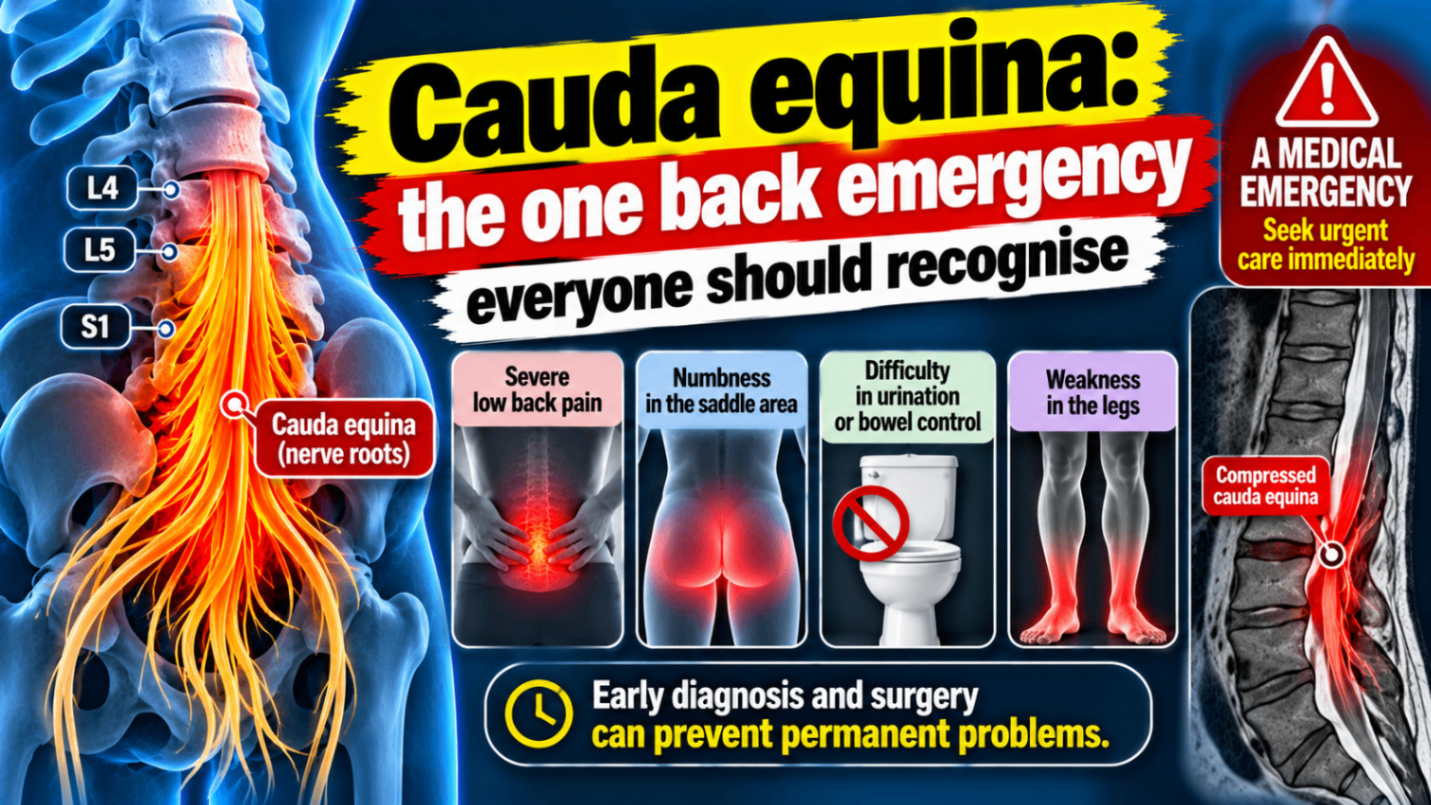
This is the one episode in this series that is worth watching even if your back has never troubled you.
0 Views
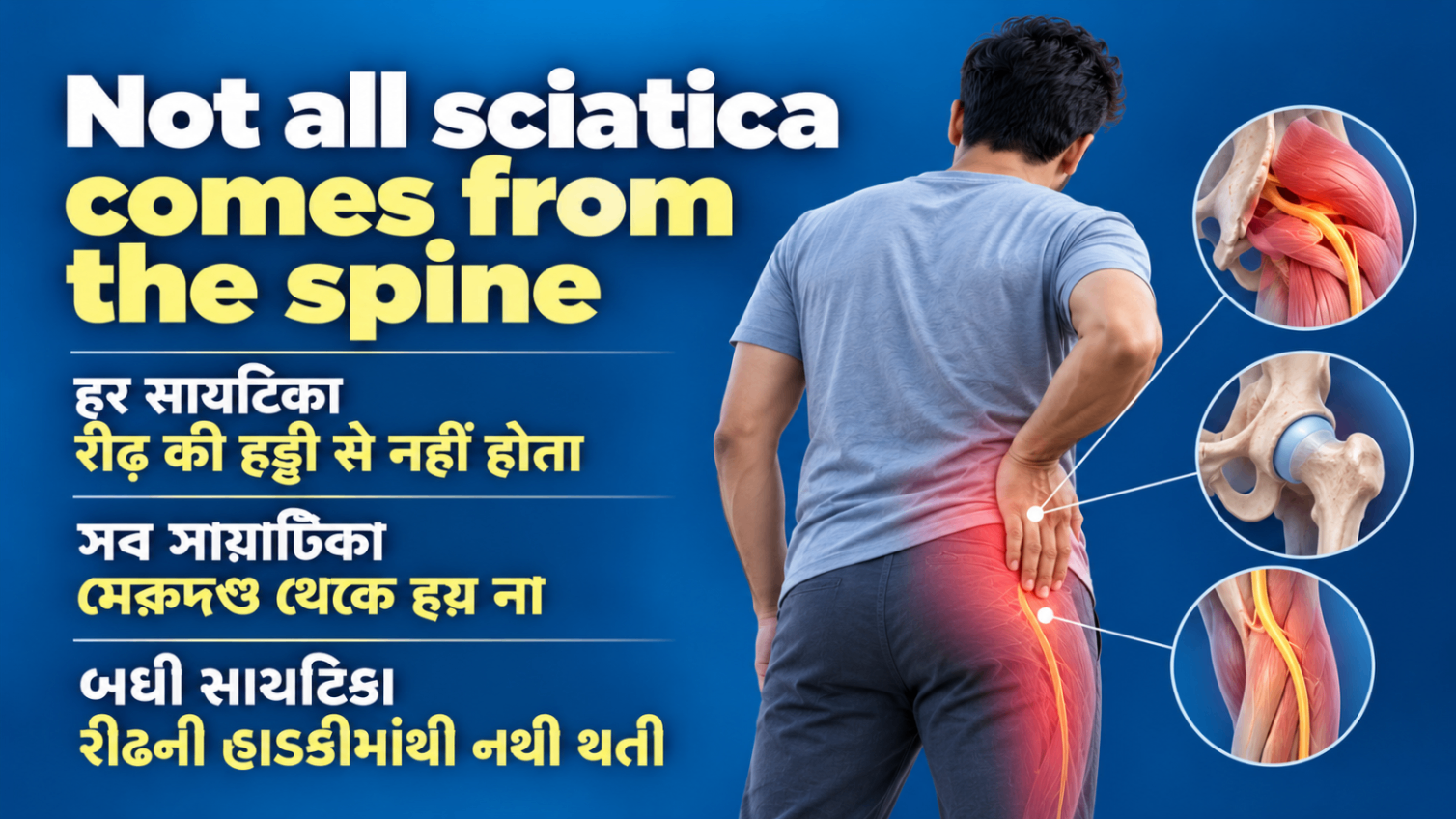
Pain running from the buttock down the leg gets one name — sciatica — and one culprit: the disc. But several other structures imitate it well enough that people have been offered the wrong operation.
0 Views
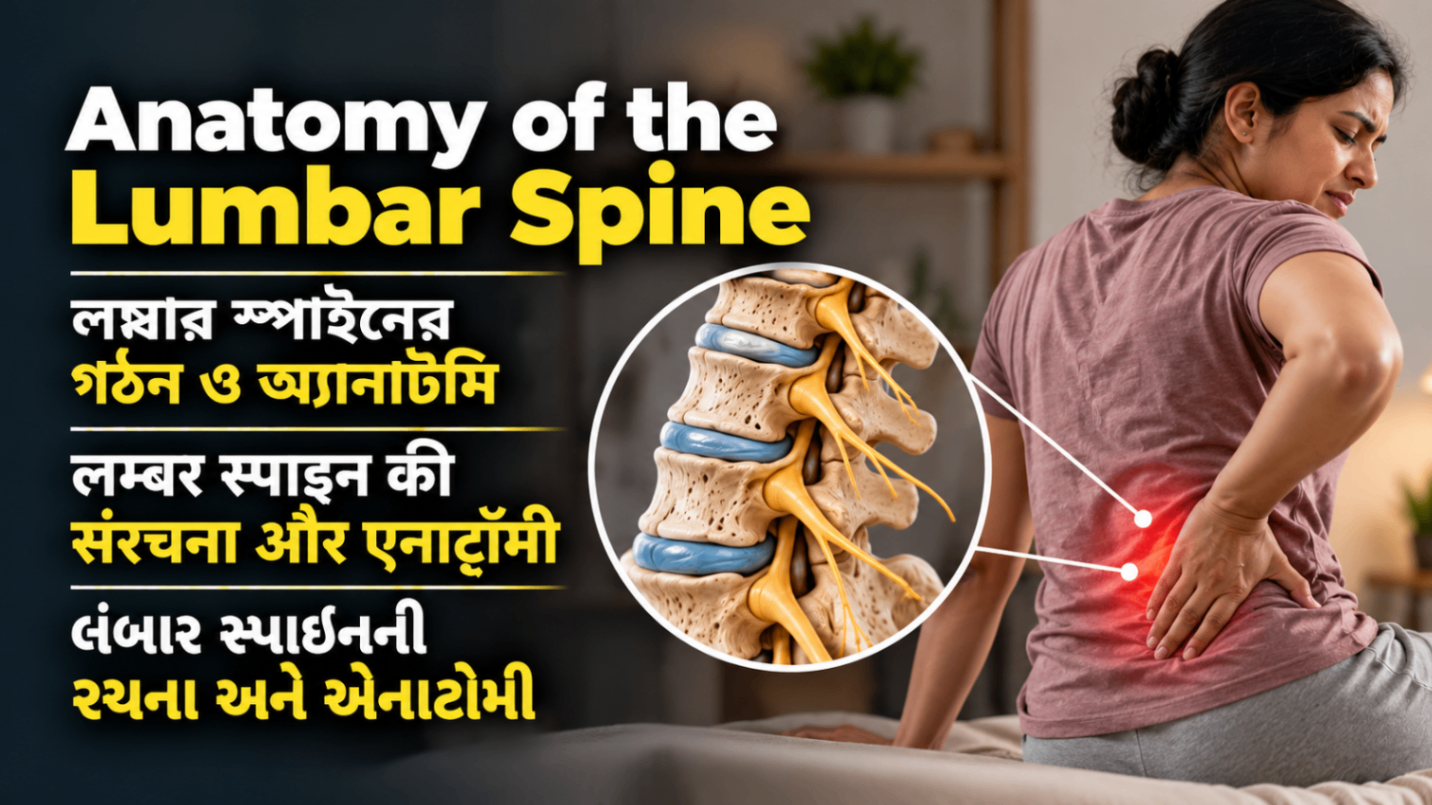
Join me for a plain-language tour of the lumbar spine — the five vertebrae, the discs that act as shock absorbers, the spinal canal and the cauda equina, the facet joints that guide movement, the deep muscles that hold you upright, and the lordosis curve that springs with every step. By the end you will know exactly why L4-L5 and L5-S1 appear on almost every MRI report, why motion is medicine for your discs, and which warning signs deserve a specialist's attention.
0 Views
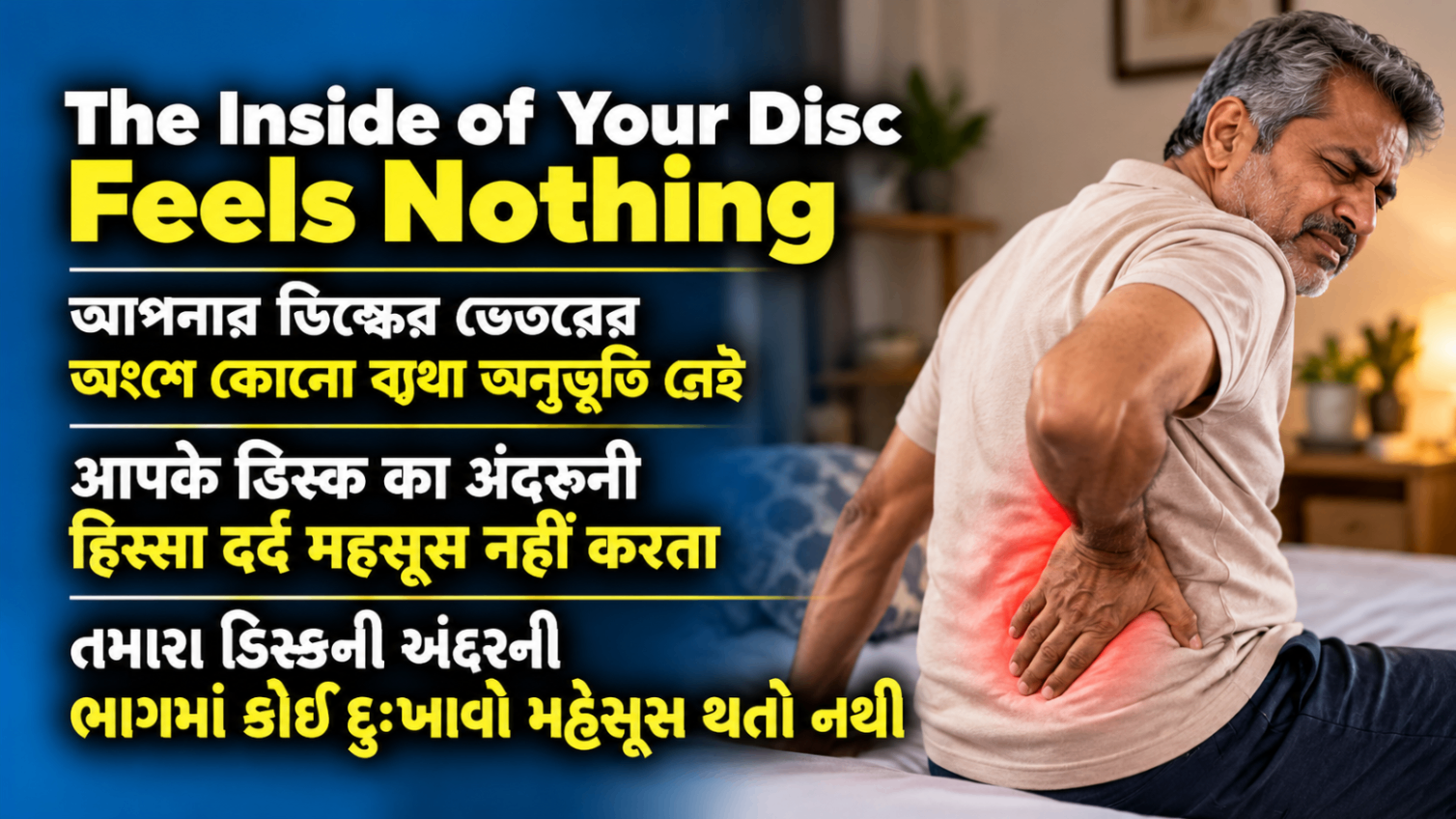
An annular tear — properly an annular fissure — is a crack running outward through the tough concentric rings that form the wall of a spinal disc. Why it hurts comes down entirely to where the nerves are.
0 Views
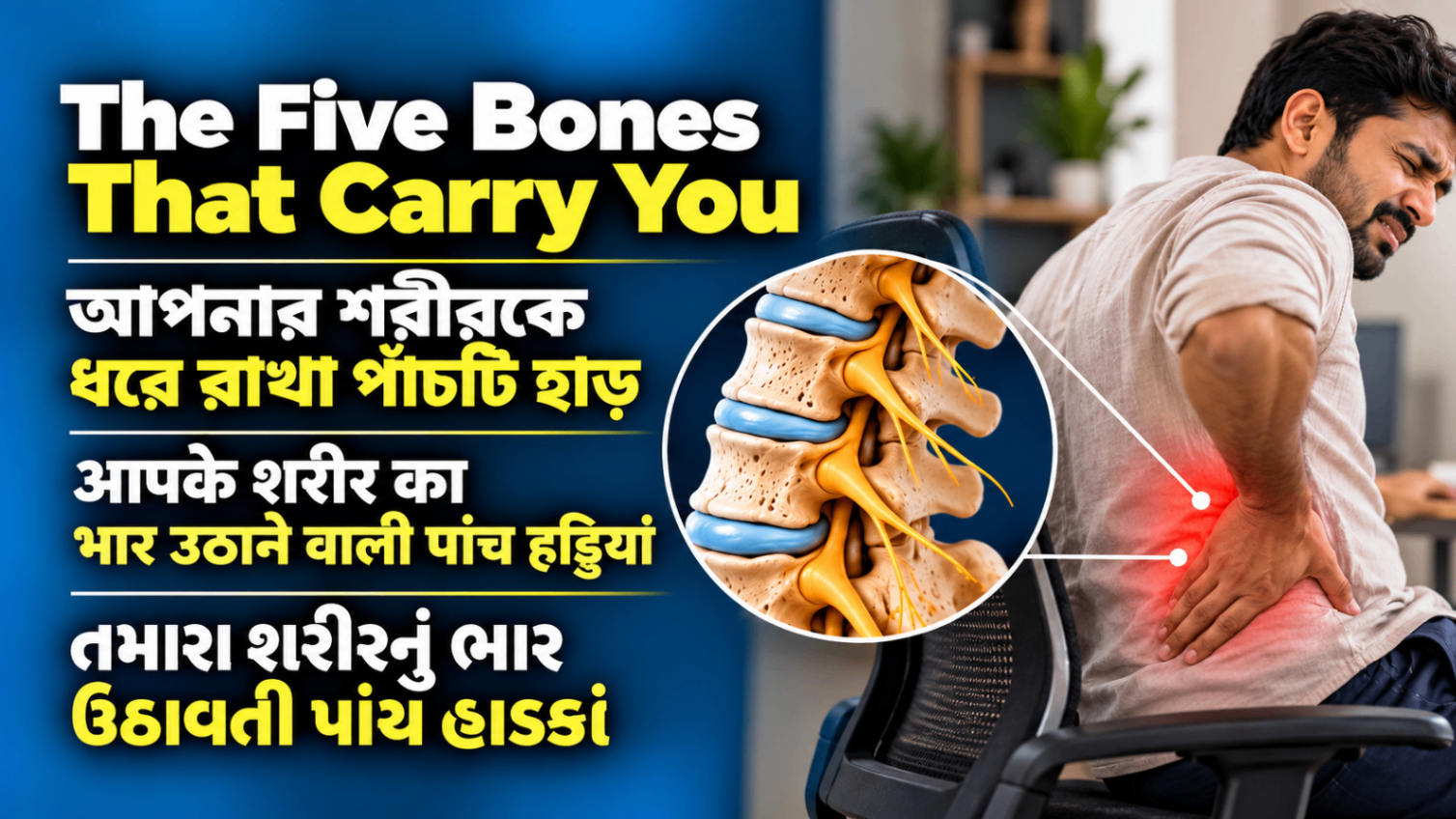
Your lumbar spine is the last five vertebrae before the pelvis — L1, L2, L3, L4 and L5 — sitting on the sacrum, a wedge of five bones fused into one solid base. Almost the entire weight of your upper body passes through this short column.
0 Views
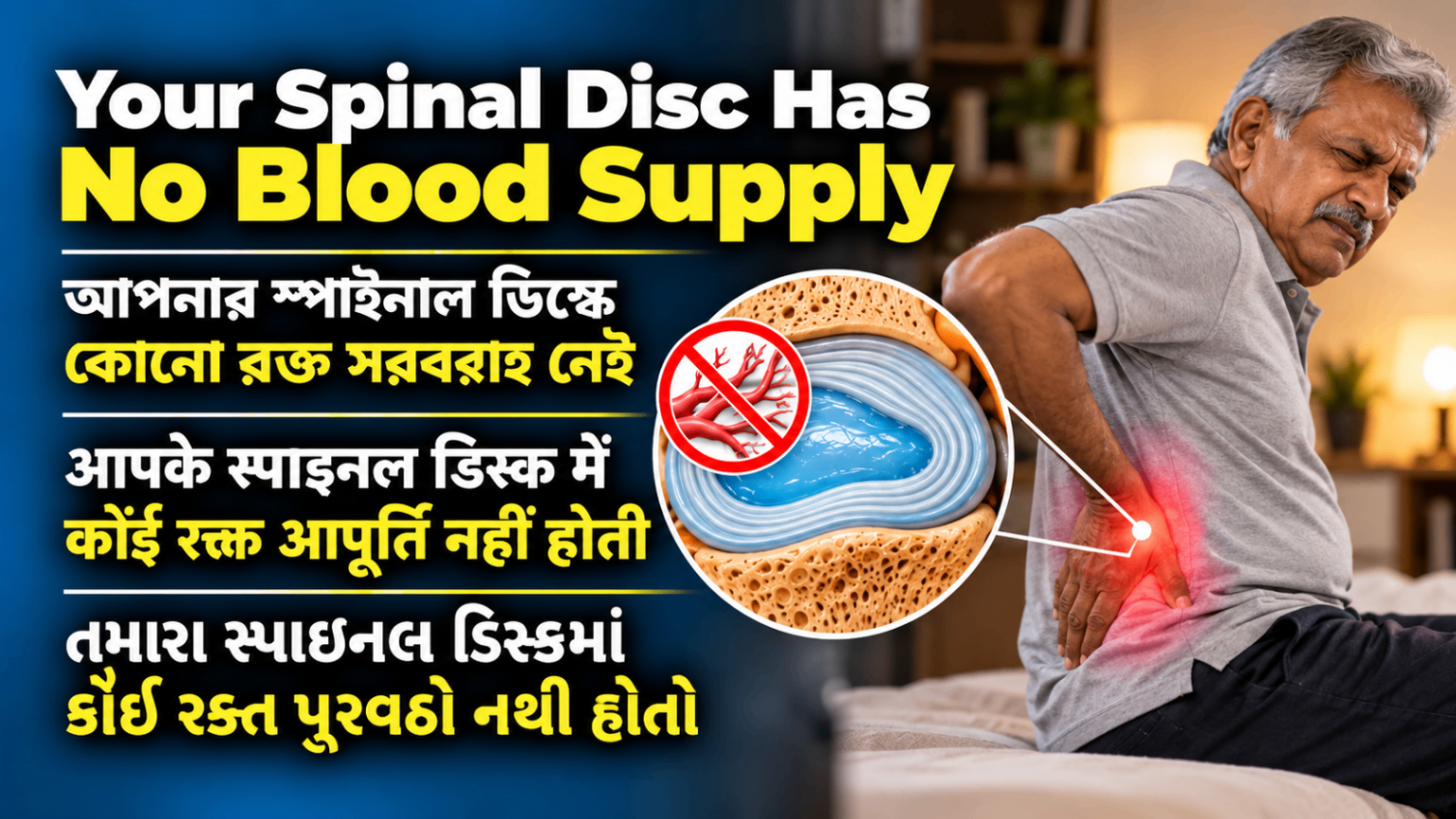
The intervertebral disc is the largest avascular structure in the human body — no artery runs into it. Everything that keeps its cells alive has to seep in through a thin cartilage endplate at the top and bottom of the disc, by diffusion.
0 Views
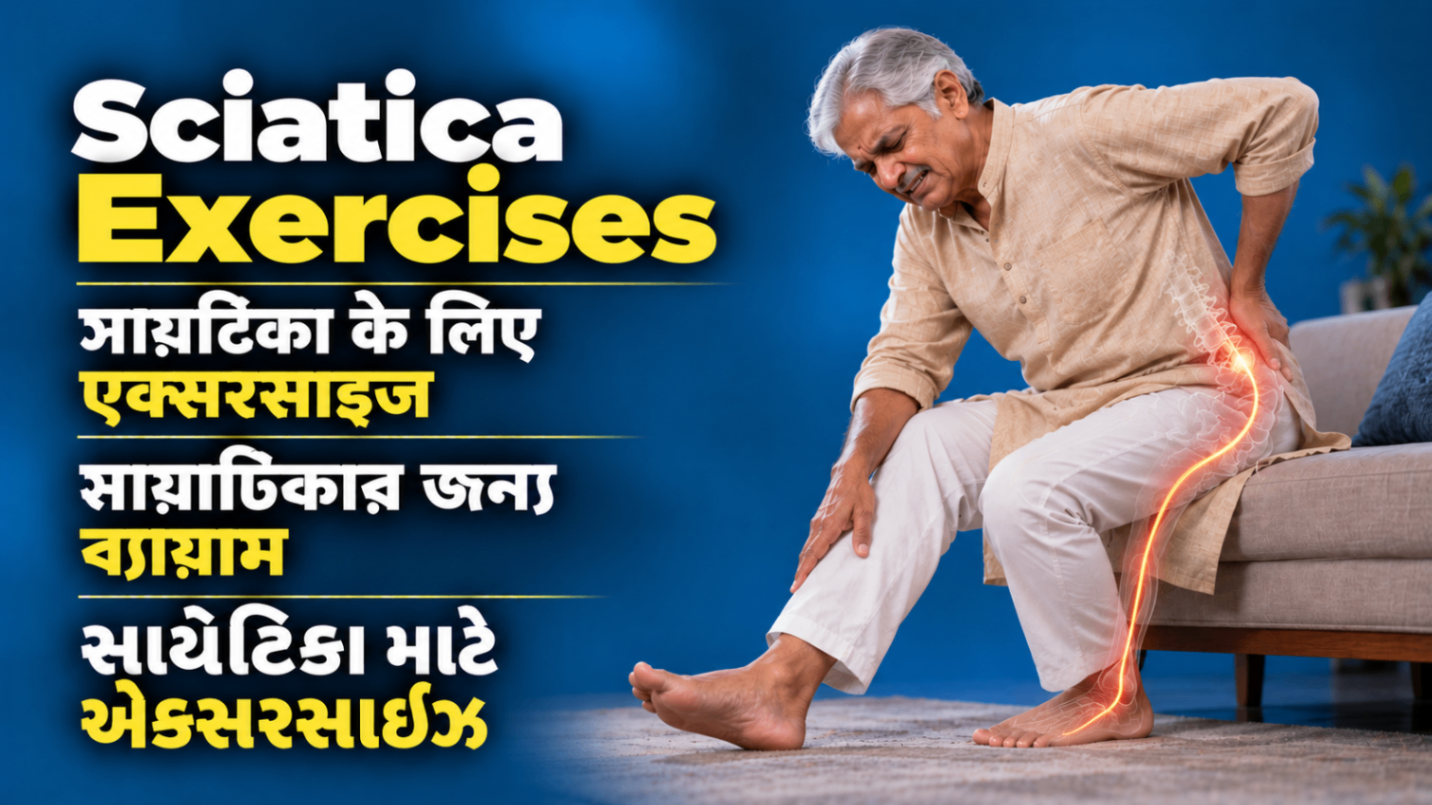
or low back pain — and for sciatica — the old prescription of bed rest is gone. A Cochrane review of 249 trials shows exercise clearly reduces chronic low back pain, and staying gently active beats bed rest even when the leg hurts. This video walks you through five safe home exercises — knee-to-chest, cat-cow, the bridge, the bird-dog and the prone press-up — plus the simplest medicine of all: a daily walk, which in the Lancet WalkBack trial nearly doubled the pain-free time between episodes.
0 Views
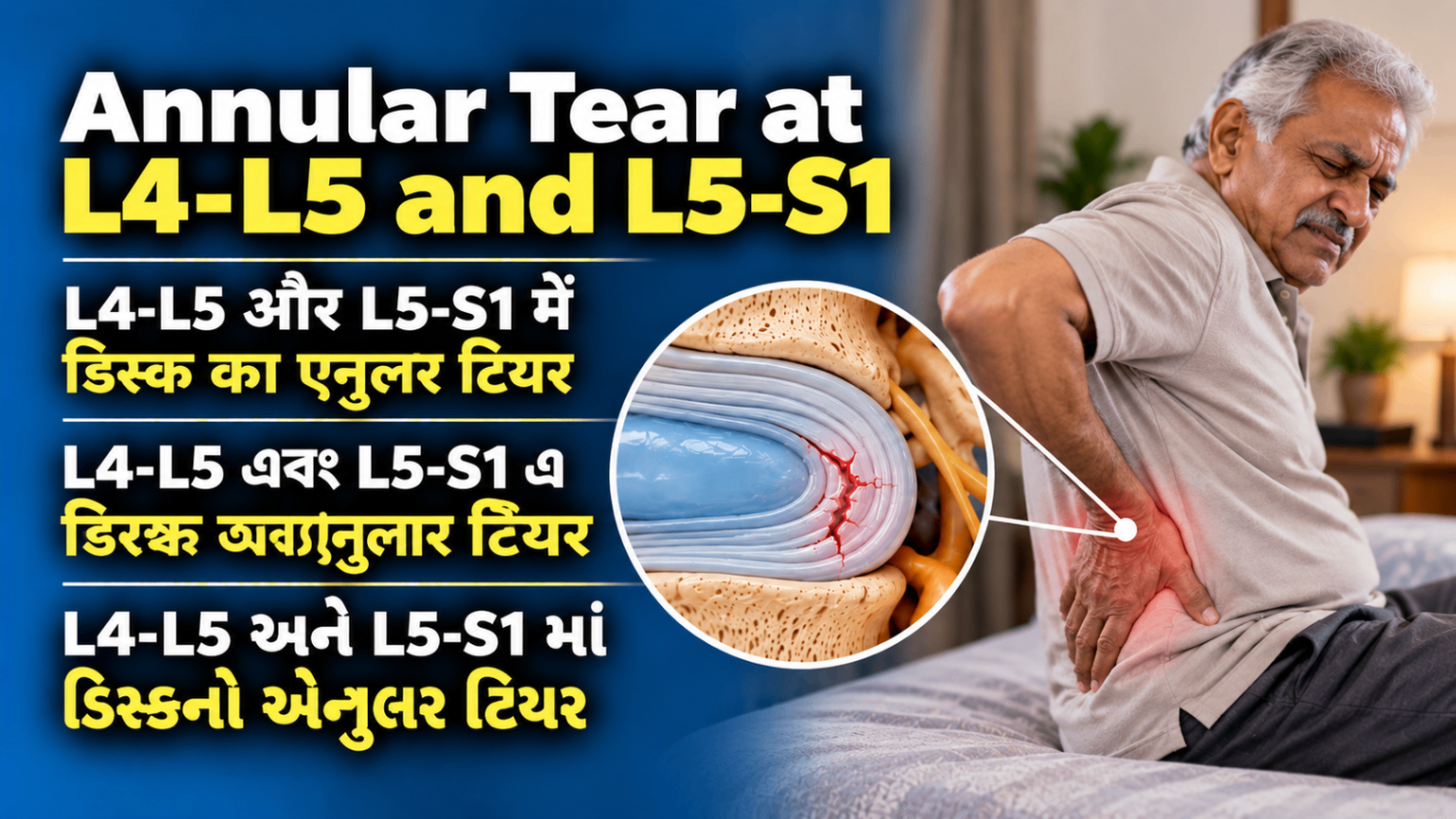
An annular tear — properly called an annular fissure — is a crack through the tough outer wall of a spinal disc. The two lowest lumbar discs, L4-L5 and L5-S1, carry the most load and bend the most, which is where these fissures most often turn up.
0 Views
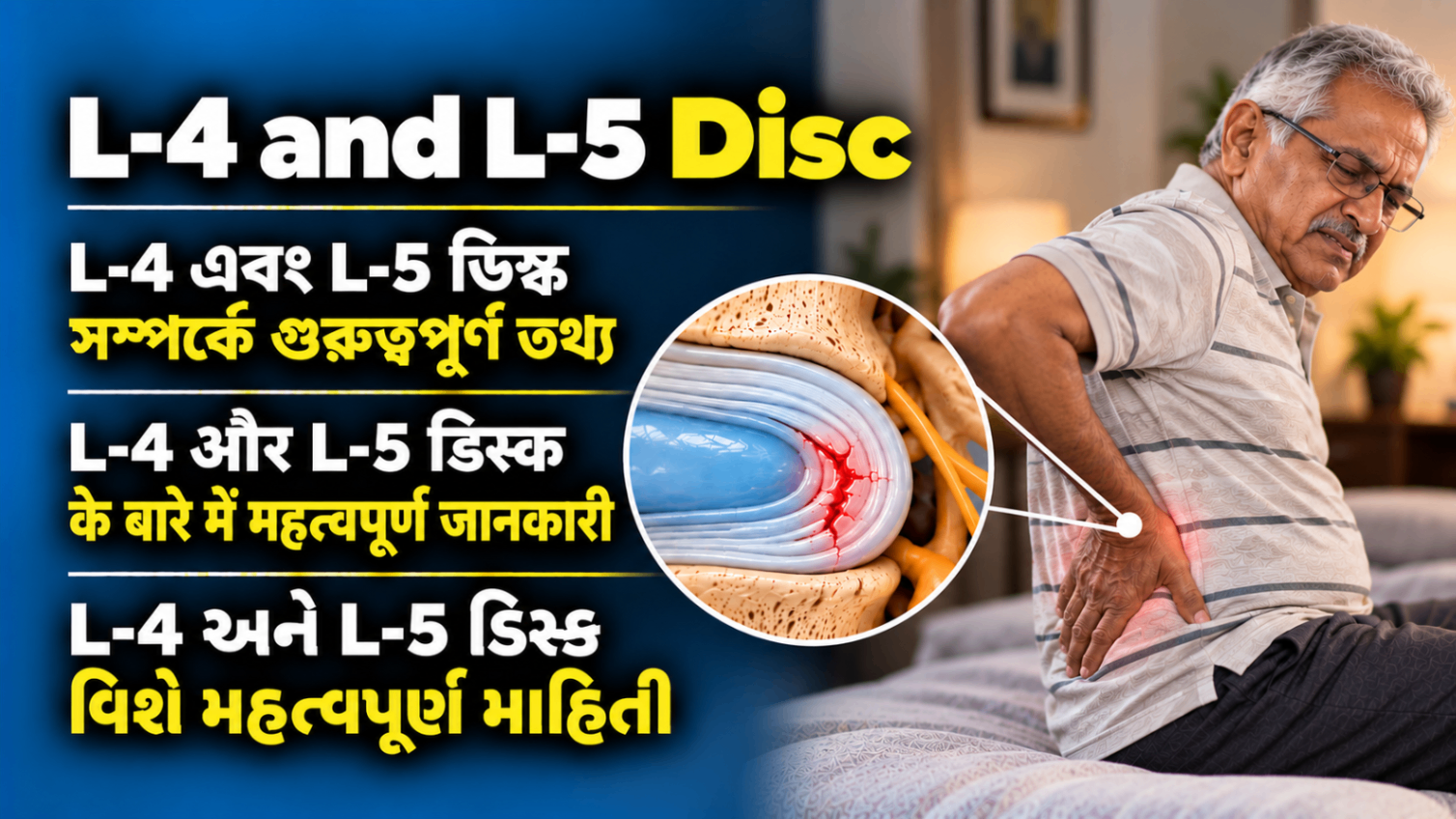
One of the commonest questions about a lumbar MRI is why the level named on the report does not match the leg that actually hurts. It is not a reporting error, and it is simpler than it sounds.
0 Views
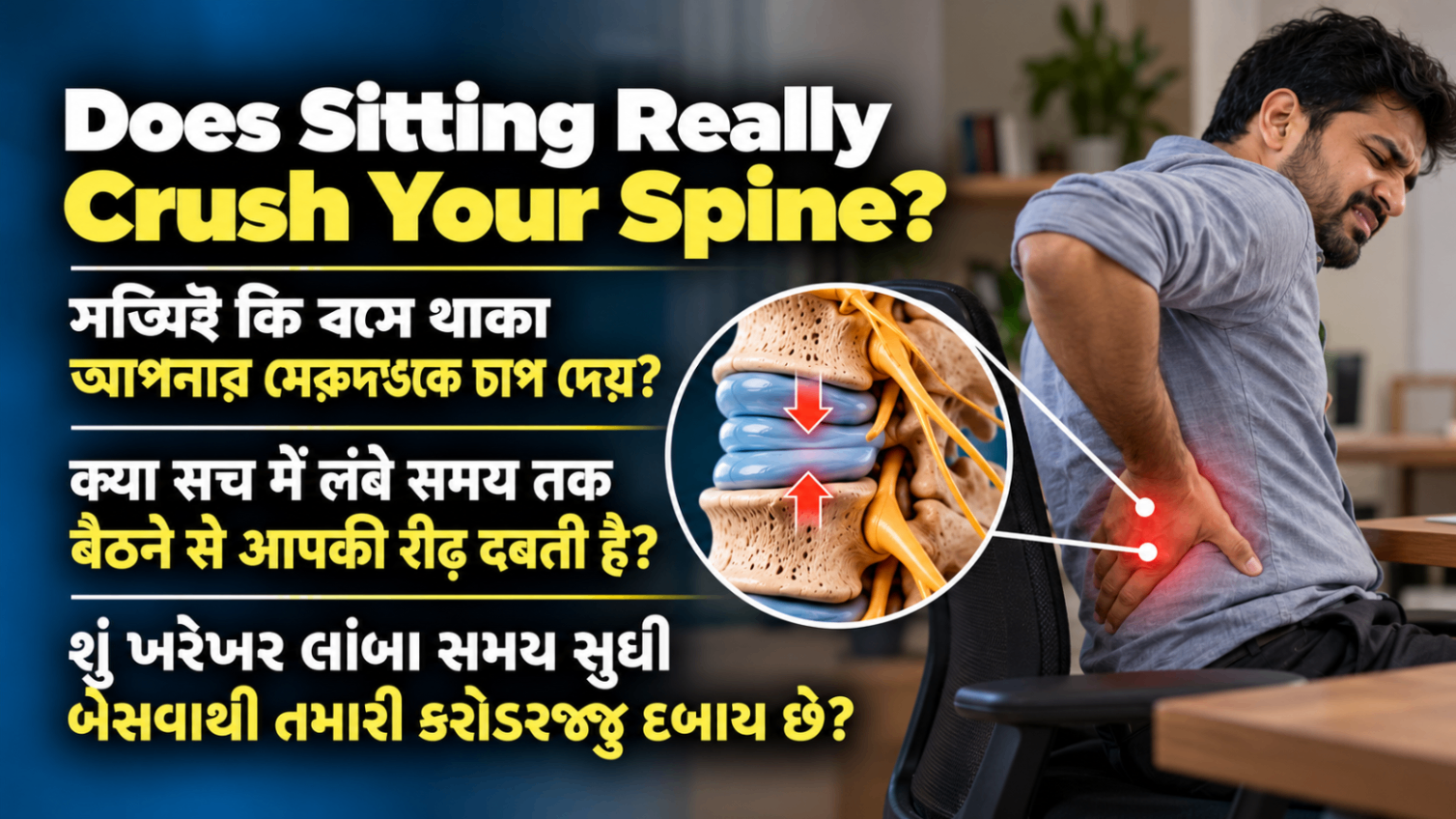
You have probably heard that sitting loads your spine far more than standing — it is one of the most repeated claims in back care, and it comes from pioneering pressure measurements made in the 1960s. In 1999 the experiment was done again with modern technology: a tiny pressure transducer placed inside a healthy living L4-L5 disc, recording continuously through a full day of normal activities.
0 Views
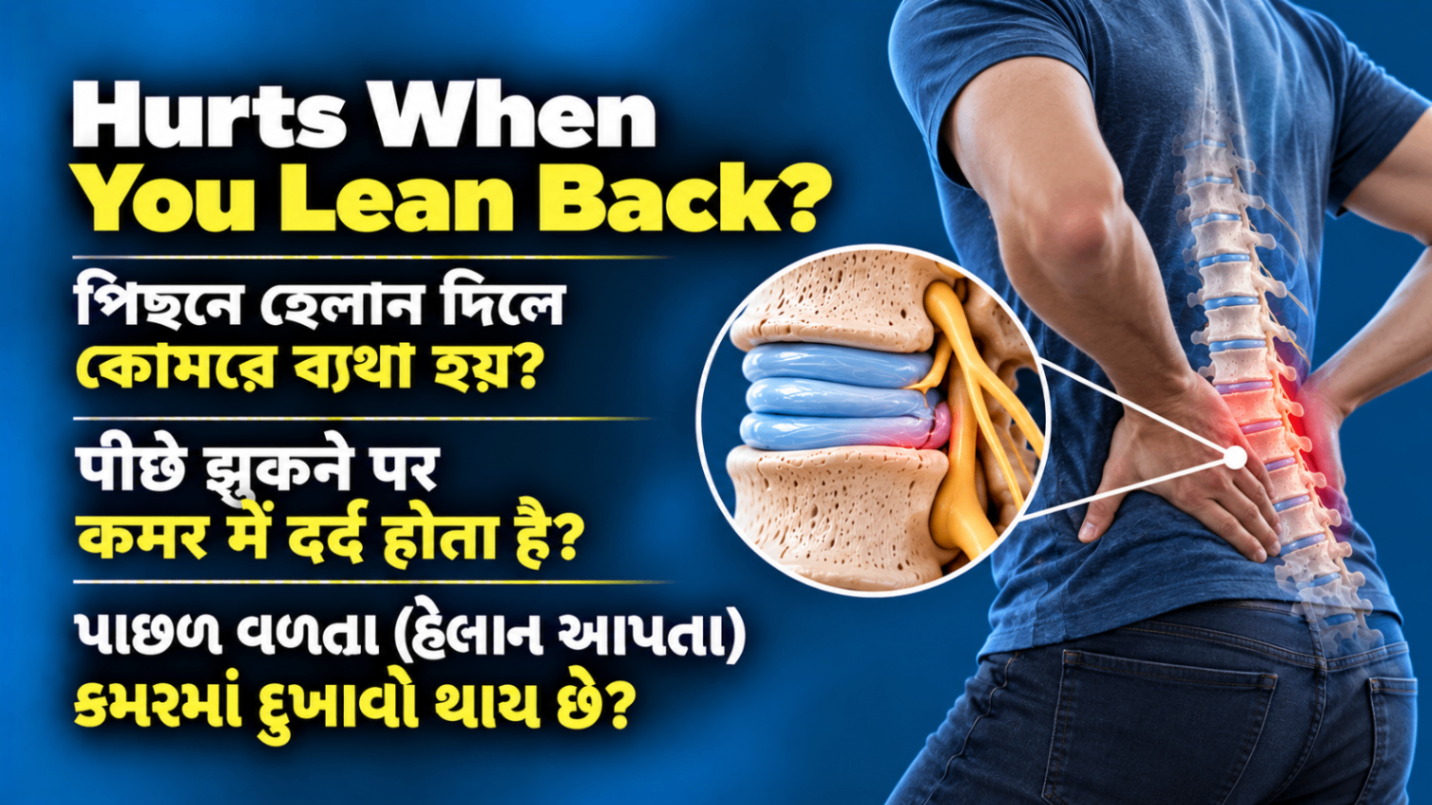
Not all low back pain comes from the disc. At the back of every spinal level sit two small paired joints — the facets, or zygapophysial joints — and they are true synovial joints, with articular cartilage, a fibrous capsule and synovial fluid inside.
0 Views
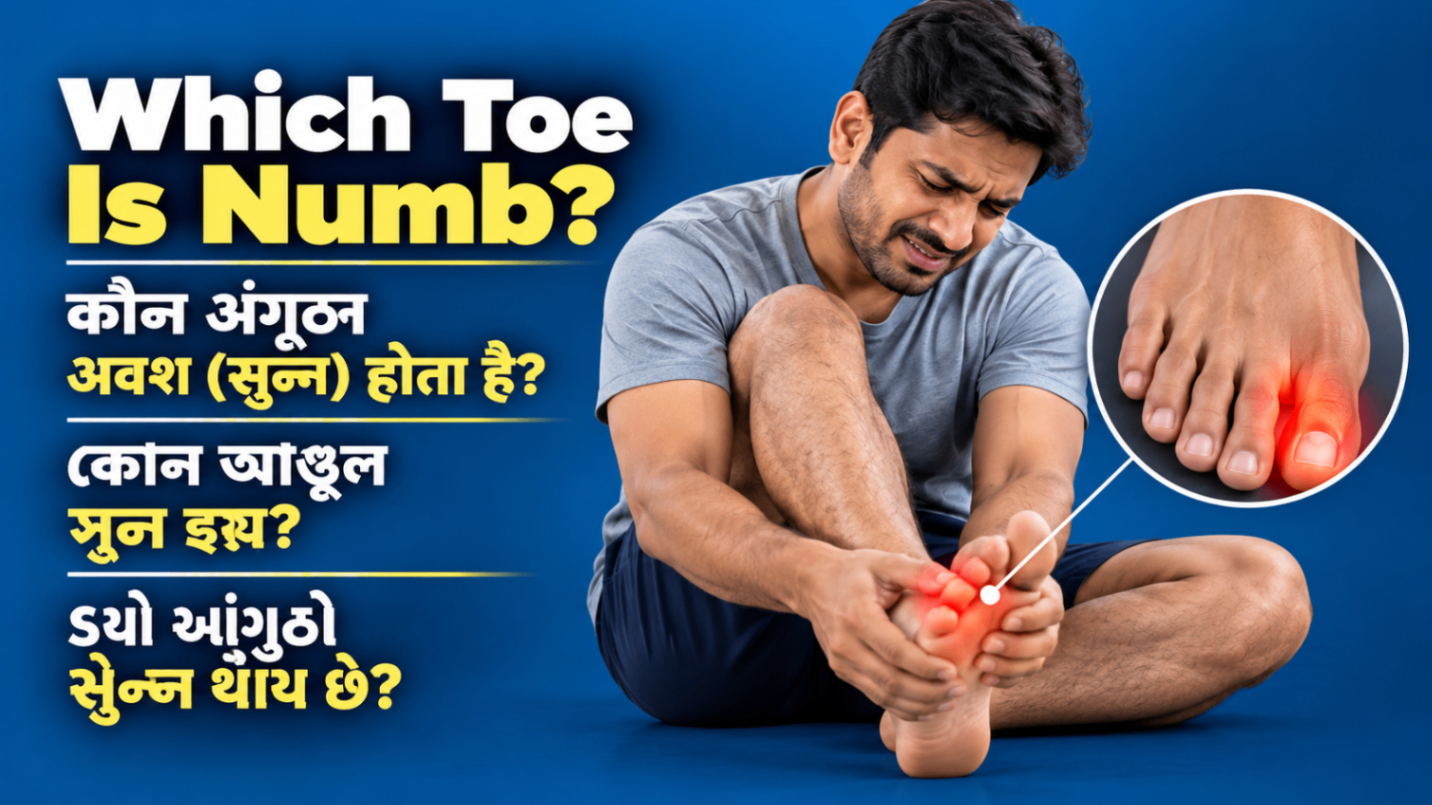
The skin of your leg and foot is divided into territories, and each territory reports to one nerve from your lower back. That is why the pattern of numbness matters as much as the numbness itself.
0 Views

Most people think a back attack ends when the pain ends. The scans say otherwise.
0 Views

Back Pain is most common problem which people are facing now a days due to lifestyle changes. One simple yoga exercise can help you a lot in correcting the spine posture and relieving back pain. Dr Hardik Rajyaguru (Sr. Neurosurgeon ) is explaining the spine ergonomics and how with the Bhujangasana we can bring our spine back to normal posture. One thing is to keep in mind that do not do this yoga if you are experiencing pain or having pain which doing this.
0 Views
Just tell us your problem, our team will assist